 Save
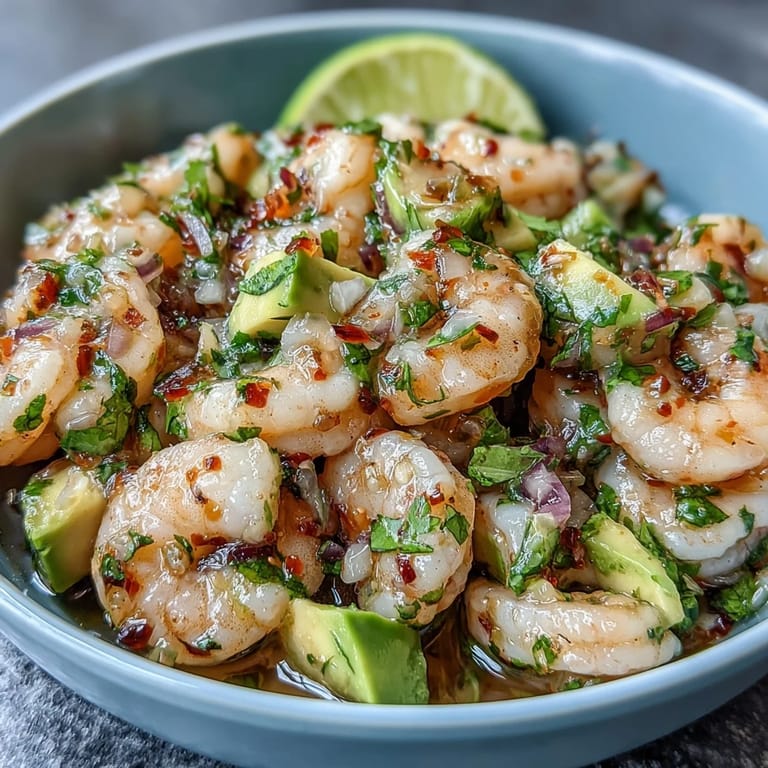
Save There's something magical about the moment lime juice hits fresh shrimp and you realize you're not actually cooking at all—the acid does the work, turning raw into tender in pure silence. I discovered ceviche years ago when a friend brought it to a summer potluck in a glass bowl, and I've been chasing that bright, electric feeling ever since. This chilli lime version became my go-to when I want to impress without sweating over a stove. It's the kind of dish that feels fancy but requires nothing but good timing and sharper knife skills.
I made this for my sister's birthday dinner last spring when she mentioned craving something fresh and spicy, and I'll never forget her eyes lighting up as she took that first bite—she actually put her fork down just to describe the taste. That single moment taught me that ceviche isn't just an appetizer; it's a conversation starter that makes people slow down and actually taste their food. Now I make it whenever I want to feel like I've traveled somewhere warm, even if it's just my own kitchen on a gray afternoon.
Ingredients
- Raw shrimp, 400g (14 oz), peeled, deveined, and cut into 1 cm pieces: Quality matters here because these beauties won't hide—source the freshest you can find and cut them uniformly so they cure at the same speed.
- Fresh lime juice, 120 ml (½ cup) from 4–5 limes: Always fresh, never bottled; bottled juice tastes flat and defeats the whole purpose of this brightness.
- Red onion, 1 small, finely diced: The bite in every spoonful, and dicing it small lets it soften slightly as it sits.
- Jalapeño or red chilli, 1 medium, seeded and finely chopped: Seeding removes some heat if you're cautious, but leave the seeds if you want real fire.
- Garlic clove, 1, minced: One clove is all you need—too much and it bullies the delicate seafood.
- Sea salt, ½ teaspoon: This brings everything into focus and helps the flavors pop against the citrus.
- Avocado, 1 ripe, diced: Add this at the very end so it doesn't brown or get mashed by your mixing.
- Tomatoes, 2 medium, seeded and diced: Seeding prevents watery ceviche, which is the single most important trick I learned.
- Cucumber, 1 small, peeled, seeded, and diced: Fresh and crisp, this keeps the whole dish from feeling heavy.
- Fresh cilantro, 3 tablespoons, finely chopped: This is the finale—add it right before serving so it stays bright green and herbaceous.
- Lime wedges and tortilla chips or tostadas: For serving and texture, because ceviche deserves something to ride on.
Tired of Takeout? 🥡
Get 10 meals you can make faster than delivery arrives. Seriously.
One email. No spam. Unsubscribe anytime.
Instructions
- Combine shrimp with lime juice:
- Pour the lime juice over your perfectly cut shrimp in a glass or ceramic bowl (never metal—it reacts with the acid and tastes wrong), and stir so every piece gets coated. Cover and refrigerate for 30 minutes, giving everything a gentle stir halfway through so the curing happens evenly; you'll watch the shrimp transform from translucent and raw to opaque and impossibly tender.
- Build the base:
- Once the shrimp is cooked by the lime, add your diced red onion, jalapeño, minced garlic, and sea salt directly to the bowl. Let it all sit together for 5 minutes so the flavors start talking to each other.
- Fold in the tender ingredients:
- Now comes the gentle part—fold in your avocado, tomatoes, cucumber, and cilantro with a soft hand so you don't bruise the avocado or crush everything into mush. Taste it now and add more salt or chilli if your instinct says so; this is your moment to make it exactly yours.
- Serve and enjoy:
- Present it chilled with lime wedges alongside, and set out those tortilla chips or tostadas for people to build little bites. This is best eaten within a few hours while every element is still crisp and the cilantro still smells like summer.
 Save
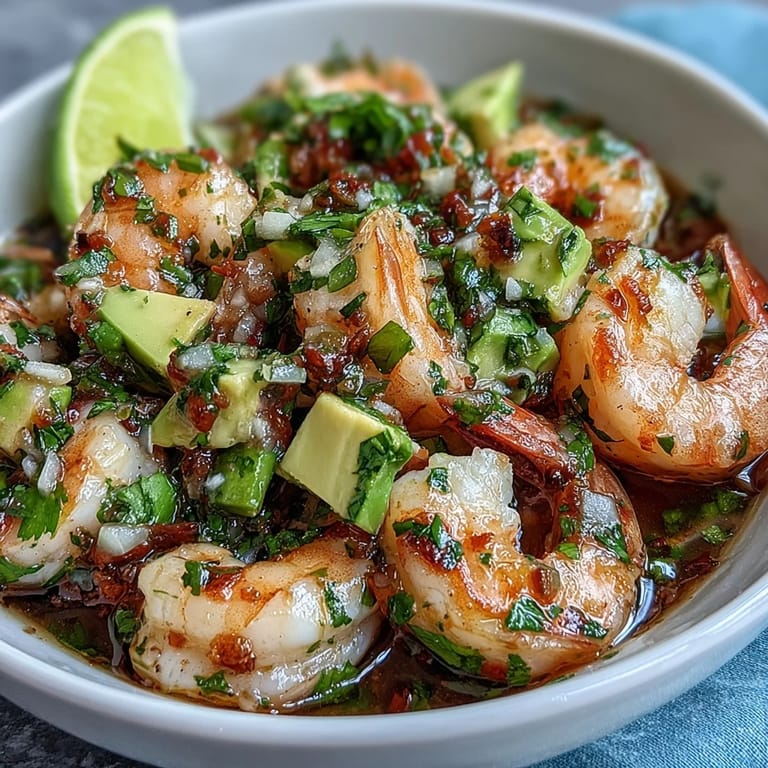
Save What struck me most about ceviche is how it brings people together in this quiet, reverent way—no one rushes through it, and conversations actually deepen over the course of eating it. There's something about raw seafood transformed by something as humble as lime that reminds us food doesn't always need fire to become magic.
The Science of Citrus Cooking
The lime juice doesn't actually cook the shrimp in the traditional sense, but the citric acid denatures the proteins, changing their structure and making them firm and opaque just like heat would. This is why using truly fresh lime juice matters so much—bottled juice has lost its enzymatic power and won't achieve the same transformation. The 30-minute window is crucial; too short and the shrimp stays mushy, too long and it becomes rubbery.
Timing Your Ceviche
The moment you finish folding in the avocado and cilantro is when you want to serve it, because every minute it sits allows the lime juice to continue its work on the tomatoes and cucumber, making everything softer. I used to think I could prep ceviche in advance like other appetizers, but I learned quickly that this is a dish that demands respect for its timing. If you're cooking for guests, have your ingredients prepped and ready, then assemble just before they arrive.
Playing With Heat and Flavor
The beauty of ceviche is how forgiving it is when it comes to adjusting the final flavors to match your mood or crowd. You can dial the heat up or down depending on who's eating, and you can even experiment with different citrus combinations if you want to shift the entire mood of the dish. If you're serving people with sensitive palates, seed your chilli completely; if you're feeding chilli lovers, leave those seeds in and maybe even add a dash of hot sauce at the end.
- For extra heat: Leave chilli seeds in or add a splash of hot sauce right before serving.
- For citrus variation: Use half lime and half fresh lemon juice for a different brightness.
- For maximum freshness: Consume the same day you make it, as the textures shift the longer it sits.
 Save
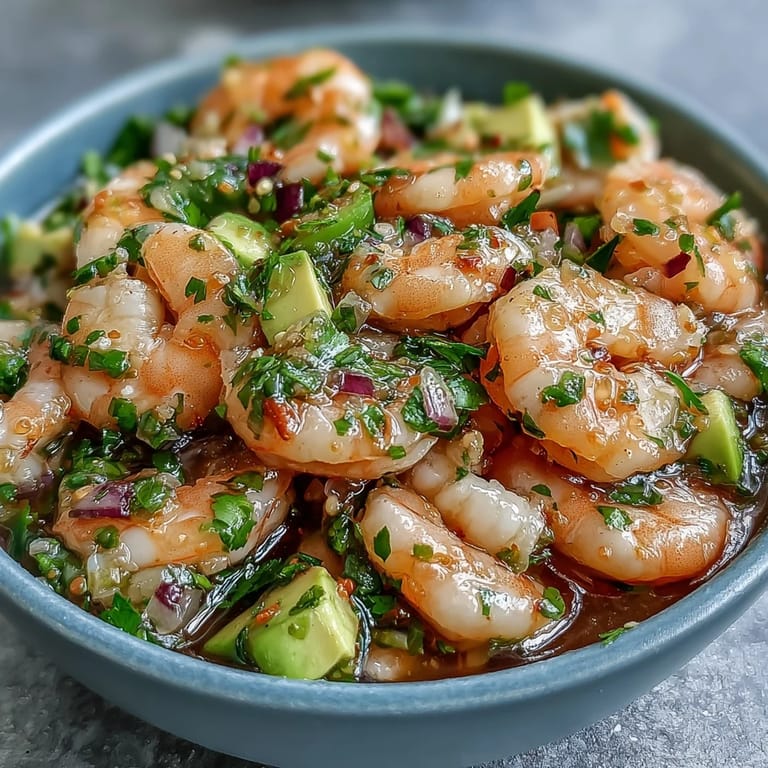
Save This ceviche lives in that sweet spot where impressive and effortless collide, and that's exactly why it keeps finding its way onto my table. Make it for someone you want to delight, and watch how a bowl of lime-cooked shrimp becomes a moment worth remembering.
Recipe FAQ
- → How long should the shrimp marinate?
The shrimp should marinate for about 30 minutes until it turns opaque and 'cooked' through the citrus juice.
- → Can I adjust the spice level?
Yes, increasing or reducing the amount of chili or jalapeño will control the heat to suit your taste.
- → Is avocado essential in this dish?
Avocado adds a creamy texture and mild flavor that balances the acidity and spice, enhancing the overall experience.
- → What are suitable accompaniments?
Lime wedges complement the zestiness, while tortilla chips or tostadas provide a crunchy contrast.
- → Can other citrus juices be used?
Lemon juice may replace part of the lime juice to create a different citrus complexity without altering freshness.