 Save
Save My neighbor burst through the gate with a cooler under one arm and a grin that said trouble, asking if I could throw together something for an impromptu beach day. No time for fussy prep, but somehow we ended up spreading out a board so loaded with good things that six people circled it like it was the main event. Watching everyone build their own sandwich, swapping stories about which combination was superior, I realized this wasn't really cooking at all—it was permission to be lazy and brilliant at the same time.
My daughter was going through a phase where she wouldn't eat anything green, but hand her a board full of choices and suddenly she's the one insisting on extra spinach and pickles. There's something about autonomy that makes people braver with food—even the picky ones.
Ingredients
- Ciabatta rolls: Their airy crumb soaks up mustard without falling apart, and they toast beautifully if anyone prefers a warmer sandwich.
- Whole grain sandwich rolls: They add nuttiness and keep things interesting texture-wise, plus they hold up to heavier toppings without getting soggy.
- Sourdough bread: The tang cuts through rich meats and cheeses like nothing else—some people skip everything else just for the bread.
- Smoked turkey breast: Lean enough to feel virtuous but flavorful enough that it doesn't taste like you're being virtuous.
- Honey ham: Its sweetness makes the whole board feel approachable and less intimidating than darker cured meats.
- Roast beef: The luxe option that makes everyone feel a little fancy, and it pairs surprisingly well with the hummus.
- Salami: A small amount goes far—it's spicy and salty enough to wake up even the most basic sandwich.
- Swiss cheese: Mild and melts slightly from warm meats without overpowering anything else.
- Cheddar cheese: Its sharpness cuts through creamy spreads and creates more contrast in every bite.
- Provolone cheese: Slightly peppery, it's the bridge between mild and bold that makes people feel adventurous.
- Tomatoes: Slice them fresh and let them drain slightly so your board doesn't get watery by hour two.
- Cucumber: Keeps everything light and cool, and it's quietly the thing nobody thinks they want until they taste it.
- Red onion: Thin slicing makes it less aggressive, and it adds a sharp note that makes every component taste like itself.
- Romaine lettuce: Choose the inner leaves—they're tender and don't compete with everything else fighting for space.
- Baby spinach: Less bitter than regular spinach and somehow feels more refined on a board.
- Avocado: Slice it last and brush lightly with lemon if you're not serving immediately—nobody wants to watch guacamole happen in real time.
- Dill pickle slices: The brine keeps everything tasting bright, and they're the secret weapon for people who didn't know they wanted something tangy.
- Mayonnaise: Use good quality mayo—the one with actual egg yolks makes a difference in how rich everything tastes.
- Dijon mustard: Its subtle heat builds complexity without overwhelming, and it's the grown-up choice on every sandwich.
- Hummus: For the person who wants something creamy but different, or the vegetarian hiding in your guest list.
- Pesto: A small bowl of this goes miles—it transforms simple bread and meat into something restaurant-quality.
- Honey mustard: The bridge for people who find regular mustard too sharp but want more than plain mayo.
- Black olives: Salty counterpoint to everything else, and they look beautiful scattered across the board.
- Banana pepper rings: They have bite without being aggressive, and their color adds visual interest.
- Sun-dried tomatoes: Concentrated flavor and they don't weep, making them ideal for a board that sits for a while.
Tired of Takeout? 🥡
Get 10 meals you can make faster than delivery arrives. Seriously.
One email. No spam. Unsubscribe anytime.
Instructions
- Lay out your breads like a foundation:
- Arrange everything on your largest board or platter, leaving breathing room between sections so people can navigate without knocking things over. If you're building this more than an hour before serving, cover with a clean kitchen towel to keep bread from drying out.
- Create meat and cheese zones:
- Cluster each type of meat and cheese separately so people can identify what they're grabbing—nobody wants to spend five minutes figuring out which is which. Slightly overlap the slices for visual drama and easy picking.
- Build a vegetable landscape:
- Arrange fresh vegetables in small piles or shallow bowls interspersed around the board, treating it like an edible still life. Keep pickles and wet items in their own bowls if possible so the board doesn't turn into a soggy mess by the time the sixth person builds a sandwich.
- Spoon spreads into small bowls:
- Put each condiment in its own shallow bowl with a small spoon or spreading knife, and leave them clustered together for easy access. This prevents mustard from ending up in the hummus and keeps everything tasting like itself.
- Set up a DIY assembly line:
- Arrange everything so people can move logically from bread to meat to cheese to vegetables to spreads, creating a natural flow that feels intuitive. Step back and admire your work—it should look abundant enough that everyone feels like they have options.
- Serve with confidence and minimal involvement:
- Let guests build what they want while you enjoy the show, or cover and refrigerate all components separately if you're transporting this somewhere. Everything stays fresh for hours as long as the vegetables and spreads stay in their own spaces.
 Save
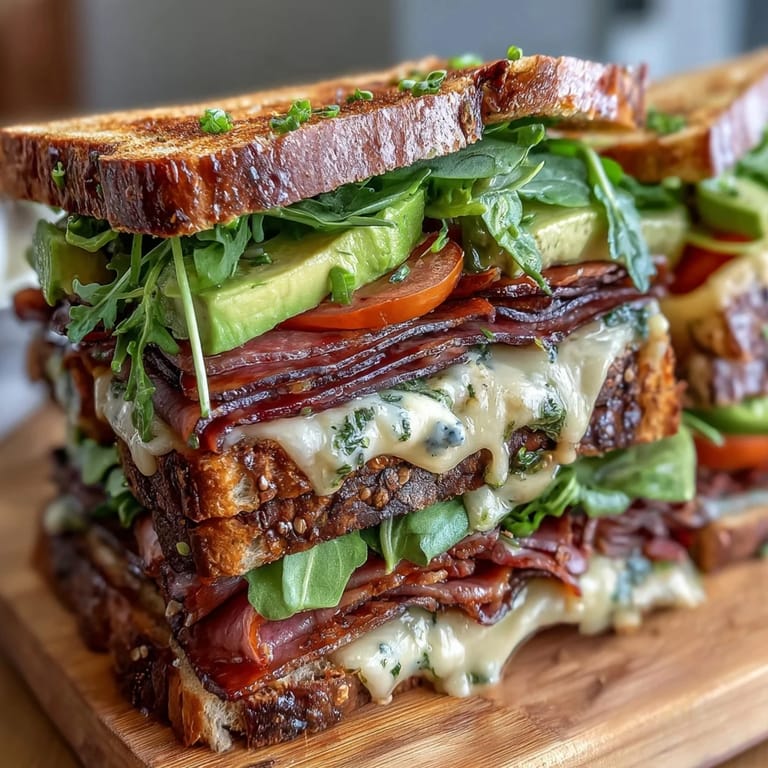
Save There was this moment when my friend's elderly father, who usually picks at food and complains about everything, made a sandwich with roast beef, pesto, tomato, and those banana peppers, took a bite, and just closed his eyes. He built three more before the day was over, and I realized this wasn't about feeding people—it was about giving them permission to eat exactly what made them happy.
The Board as Theater
The real magic of this board is watching how differently people approach it. Some build architectural marvels with seventeen layers, others go for the quiet efficiency of two meats and mustard. Nobody's wrong—that's the entire point. I learned to stop suggesting combinations and just let people discover their own preferences, and somehow everyone walks away thinking they invented the best sandwich of their lives.
Storage and Transport Wisdom
If you're bringing this somewhere, keep all components in separate containers and assemble the board on-site if possible. When you must build it ahead, the key is keeping wet and dry things separated—put pickles, tomatoes, and spreads in containers and add them last. Cold from a cooler actually works in your favor here because the board lasts longer and people can graze over hours rather than eating everything in the first fifteen minutes.
Customizing Your Board
This template works for any crowd once you understand the structure: you need texture contrasts (soft cheese with crispy bread), flavor layers (salty, spicy, tangy, mild), and enough variety that no one feels like they're settling. I've swapped in pastrami, prosciutto, brie, goat cheese, roasted red peppers, arugula, and a dozen other things depending on what was in my fridge, and it always works because the architecture stays the same.
- Think about dietary needs early—add hummus, roasted vegetables, or plant-based options without making it feel like an afterthought.
- Prep everything the morning of and store components in airtight containers so you're just arranging rather than cooking when guests arrive.
- Remember that the most sophisticated sandwich often contains the fewest ingredients, so don't feel pressure to load the board with every possible option.
 Save
Save This board has become my go-to for moments when I want to feed people without performing. It's food that trusts your guests to know what they want, and somehow that trust makes everything taste better.
Recipe FAQ
- → How should I arrange the ingredients on the board?
Place breads at one end, deli meats and cheeses in separate sections, then fresh vegetables, pickles, and extras in small bowls or neatly on the board for easy access and layering.
- → What spreads work best on this deli board?
A variety of spreads like mayonnaise, Dijon mustard, hummus, pesto, and honey mustard complement the meats and cheeses and offer diverse flavor options.
- → Can this board be prepared ahead of time?
Yes, arrange and cover all components separately, refrigerate them, and assemble or offer for guests to build just before serving.
- → Are there vegetarian alternatives suggested?
Include grilled vegetables, sliced hard-boiled eggs, or plant-based deli slices as substitutions to cater to vegetarian preferences.
- → What types of breads are ideal for this setup?
Use ciabatta rolls, whole grain sandwich rolls, and sourdough slices for a mix of textures and flavors that hold fillings well.
- → How to safely handle allergen concerns?
Check packaged ingredients for gluten, dairy, eggs, soy, and clearly label components, offering alternatives if needed for guests with sensitivities.