 Save
Save I discovered seaweed salad entirely by accident at a tiny sushi counter in Seattle, sitting at the bar watching the chef work with the kind of focused intensity that made me want to understand every component on the plate. The bright, briny flavor was nothing like the seaweed I'd nervously tried as a kid, and something about the way the sesame oil caught the light made me lean in closer. That afternoon, I asked the chef if it was complicated to make at home, and her smile suggested I'd been overthinking it the whole time. Now, whenever I make this salad, I'm transported back to that moment of discovery, except I'm the one controlling the flavors.
My partner brought home a box of premium seaweed one summer and challenged me to use it before it went stale, which is how I learned that the tender rehydrated pieces could taste completely different depending on how gently you handled them. We ate this salad straight from the bowl while standing in the kitchen, steam from the kettle still rising around us, and something about sharing a meal without sitting down made it feel more like a secret than a dinner. That's when I realized this dish doesn't need ceremony—it just needs care.
Ingredients
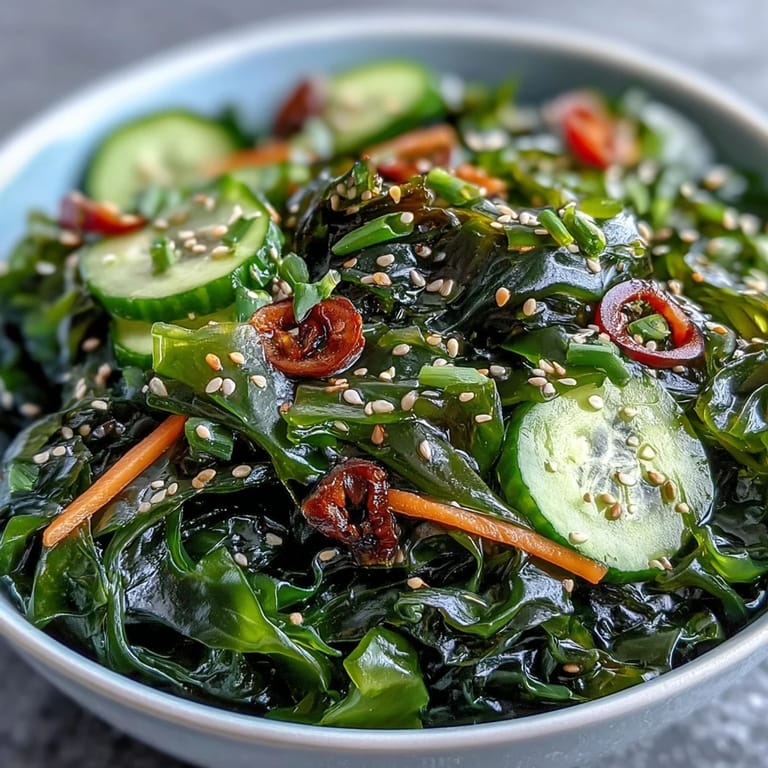
- Dried mixed seaweed (30 g wakame, hijiki, or arame): This is your foundation, and the mix matters because each type brings different texture and mineral flavor—wakame is tender, hijiki has a deeper earthiness, and arame is delicate, so buying pre-mixed saves you the guesswork.
- Cucumber (1 small, thinly sliced): Choose one that feels firm and heavy for its size, as watery cucumbers will dilute your dressing and make the salad soggy within an hour.
- Carrot (1 small, julienned): The thin cut isn't just for show; it allows the carrot to absorb the dressing flavors while staying crisp, and raw carrot has a natural sweetness that balances the ponzu beautifully.
- Scallions (2, thinly sliced): The white and green parts add different things—white brings a subtle sharpness while green adds freshness, so keep them separate until the last moment if you want visual contrast.
- Ponzu sauce (3 tbsp): This is the star, so invest in a good brand or make your own from equal parts soy sauce, mirin, rice vinegar, and kombu-infused dashi for a noticeably brighter result.
- Rice vinegar (1 tbsp): It cuts through the richness of the sesame oil and adds a gentle acidity that makes your mouth water before you even taste the seaweed.
- Soy sauce or tamari (1 tbsp): Go for low-sodium if you have the choice, because it lets the other flavors shine instead of drowning them out.
- Toasted sesame oil (1 tbsp): Use the good stuff here—it's the difference between a salad that tastes okay and one that tastes like the chef knew what they were doing.
- Fresh ginger (1 tsp, grated): Grate it on a microplane just before mixing so you capture all the volatile oils that make ginger sing, and don't be shy about adjusting to your taste.
- Sugar or maple syrup (1 tsp): This isn't about making it dessert; it's about rounding out the sharp edges of the vinegar and creating harmony in the dressing.
- Chili flakes (1 tsp, optional): Add this if you want a gentle warming sensation that builds as you eat, though you can always let guests add their own.
- Toasted sesame seeds (2 tbsp): Toast them yourself in a dry pan for 2 minutes if you can, because the difference between pre-toasted and freshly toasted is the difference between nice and memorable.
- Red chili, thinly sliced (1 tbsp, optional): Fresh chili brings heat and visual drama, so use it if you're serving people who love a kick or if you want the salad to look as good as it tastes.
Tired of Takeout? 🥡
Get 10 meals you can make faster than delivery arrives. Seriously.
One email. No spam. Unsubscribe anytime.
Instructions
- Rehydrate your seaweed gently:
- Place the dried seaweed in a bowl and cover with cold water, letting it soften for exactly 10 minutes or however long your package suggests—don't skip this step or rush it, because properly rehydrated seaweed has a silky texture that's completely different from crunchy. Drain it in a fine-mesh strainer and squeeze gently with your hands to remove excess water without crushing the delicate pieces.
- Build your salad base:
- In a large bowl, combine the rehydrated seaweed with the cucumber, carrot, and scallions, being gentle as you fold them together so nothing breaks apart unnecessarily. This is the moment when your salad starts to look like something special, so take a breath and enjoy the colors.
- Create the dressing:
- In a separate small bowl, whisk together the ponzu sauce, rice vinegar, soy sauce, sesame oil, grated ginger, sugar, and chili flakes until the sugar dissolves completely and the mixture smells balanced—equal parts tangy, rich, and slightly spicy. Taste it before you pour it over everything, because you're in control of the flavor intensity here.
- Marry the components together:
- Pour the dressing over the seaweed and vegetables, then toss very gently and deliberately, coating everything evenly without bruising anything. This is where patience pays off, because rushed tossing turns delicate ingredients into sad mush.
- Transfer and garnish:
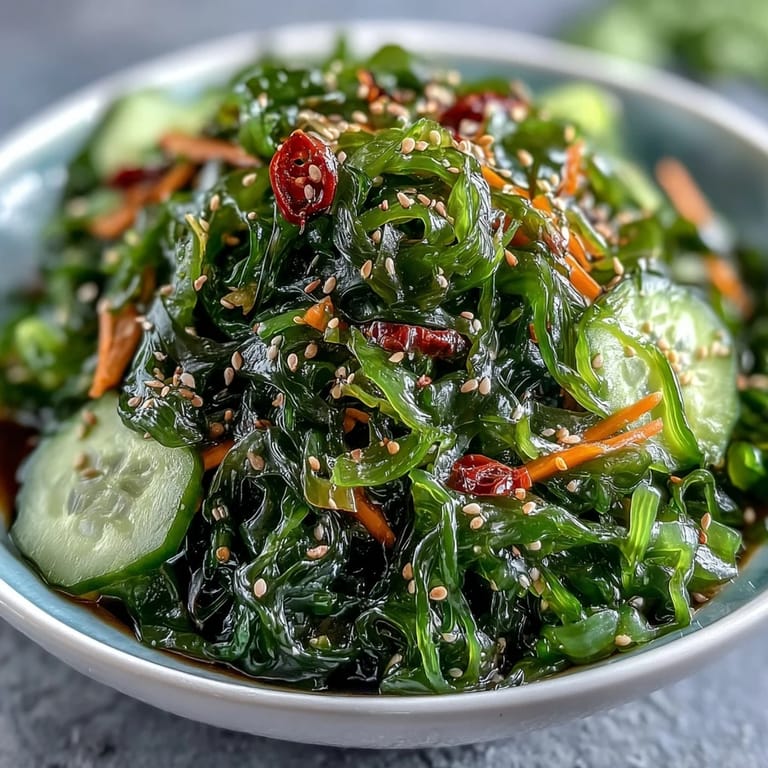
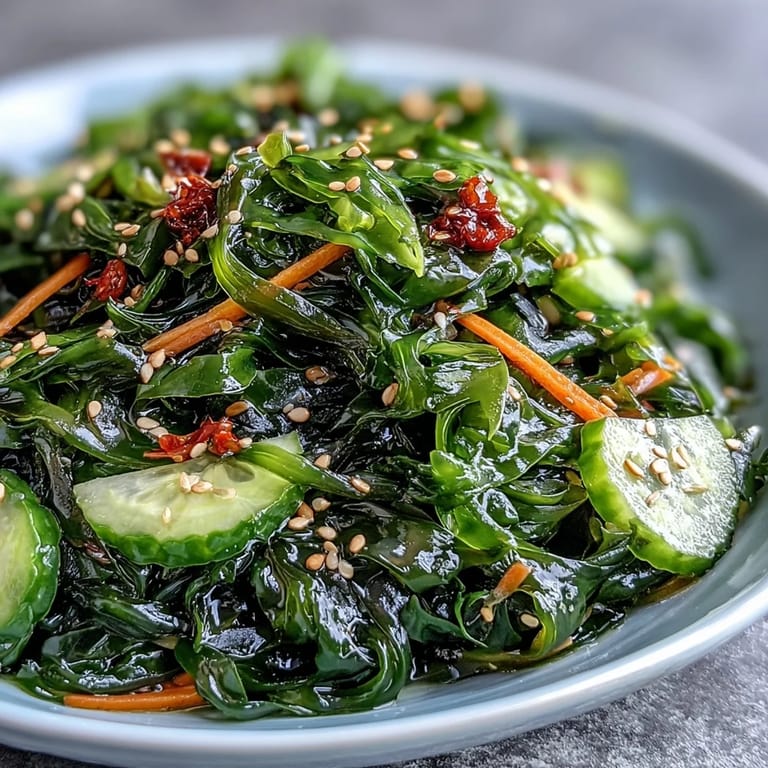
- Move the salad to a serving platter or individual bowls, then scatter the toasted sesame seeds across the top and add the red chili slices if you're using them. The garnish isn't decoration; it's the final layer of flavor and texture that makes someone say yes, I want more.
- Serve at your ideal temperature:
- This salad is excellent chilled straight from the fridge or at room temperature, depending on whether you want maximum crispness or slightly softer textures that have absorbed more dressing. Either way, serve it soon after assembling so everything stays bright.
 Save
Save My mother-in-law tried this salad skeptically at first, having grown up thinking seaweed was something you wrapped sushi in, not something you ate plain. By the second bite, she asked for the recipe, and now she makes it whenever she wants to impress herself with how simple it is to eat well. Watching her discover something she'd been dismissing for years reminded me that cooking is sometimes just about helping people see familiar ingredients differently.
The Dressing Is Everything
Once you understand that the dressing is what transforms plain seaweed into something crave-worthy, you'll stop thinking of this as a simple salad and start thinking of it as a flavor experiment you control. The balance between salty, sweet, sour, and rich is the entire point, so tasting as you go isn't overthinking—it's being respectful to your own palate. I learned this the hard way by making batches where I skipped the tasting step, convinced I could eyeball the measurements, and ended up with dressing that was either too vinegary or too rich.
Variations That Actually Work
The beauty of this salad is that it welcomes additions without falling apart, as long as you think about texture and flavor balance. I've added everything from thinly sliced radish for extra crunch to edamame for protein, and both felt natural rather than forced. The trick is not to overload it—each addition should have a reason for being there, whether that's contrast, nutrition, or visual interest.
Timing and Storage Secrets
This salad is best enjoyed within an hour of assembly, though the dressing actually improves the longer the seaweed sits in it, creating a flavor depth that rivals anything you could get at a restaurant with a full kitchen. If you're making this for a party, prep your vegetables ahead and store them separately, then assemble just before serving so everyone gets the optimal experience. The dressing stays fresh in the fridge for up to a week, which means you can make this salad multiple times with just one batch of dressing.
- Slice your vegetables only when you're ready to assemble, because exposed cut surfaces oxidize and lose their brightness faster than you'd expect.
- Keep the toasted sesame seeds in an airtight container and sprinkle them on right before serving so they stay crispy instead of absorbing moisture from the dressing.
- If you're transporting this to a potluck or picnic, pack the dressing separately and assemble in someone's kitchen just before eating for maximum crispness and shine.
 Save
Save This salad has become my go-to when I want to feel like I've done something good for myself without pretending to be someone I'm not in the kitchen. Every time I make it, I'm reminded that simple doesn't mean boring, and that the best meals are often the ones that respect their ingredients rather than compete with them.
Recipe FAQ
- → How do I rehydrate dried seaweed?
Soak dried seaweed in cold water for about 10 minutes until softened, then drain and squeeze out excess water before using.
- → Can I substitute soy sauce for tamari?
Yes, tamari is a gluten-free alternative to soy sauce and works well in the ponzu dressing for those avoiding gluten.
- → What vegetables complement this seaweed mixture?
Thinly sliced cucumber, julienned carrot, and scallions add freshness and crunch to the seaweed base.
- → How can I make the dressing less tangy?
Adjust the sweetness by adding more sugar or maple syrup to balance the acidity of the ponzu and rice vinegar.
- → Is this dish best served warm or cold?
It is typically served chilled or at room temperature to highlight the fresh, crisp textures and bright flavors.