 Save
Save My sister called me three weeks before her baby shower in a minor panic—she wanted cupcakes that looked as soft and hopeful as the nursery she'd just finished painting. I'd never made anything with edible flowers before, but there was something about the idea of turning something delicate and blooming into dessert that felt exactly right for the occasion. Standing in my kitchen that afternoon, surrounded by little boxes of pansies and violets, I realized these weren't just cupcakes; they were a way to say welcome to someone who hadn't arrived yet.
The shower was held in my mom's garden, and when I set out the cupcakes on the vintage cake stand she'd pulled from storage, something magical happened—every single person paused before taking one, like they were almost too pretty to eat. A grandmother I'd never met before told me the violet on her cupcake reminded her of her own mother's garden from sixty years ago. That's when I understood that edible flowers aren't just decoration; they're tiny time machines.
Ingredients
- All-purpose flour: Use a light hand when measuring—spoon it into the cup and level it off, because packing it down can make your cupcakes dense and disappointing.
- Granulated sugar: This is your sweetness foundation, so don't skimp or substitute with alternatives unless you want to start troubleshooting texture.
- Unsalted butter, softened: Room temperature is non-negotiable here; cold butter won't cream properly, and you'll end up with a lumpy batter that bakes unevenly.
- Large eggs, room temperature: Cold eggs can seize the batter, so pull them out of the fridge while you're prepping everything else—patience pays off.
- Whole milk, room temperature: The alternating method with milk creates a tender crumb, but if your milk is cold it can shock the batter.
- Vanilla extract: Real vanilla makes a difference you can taste; the imitation version feels like a sad footnote.
- Baking powder: Check the date on your tin—old baking powder is one of those silent recipe killers.
- Powdered sugar, sifted: Sifting removes lumps that would otherwise create a grainy, streaky buttercream no amount of beating can fix.
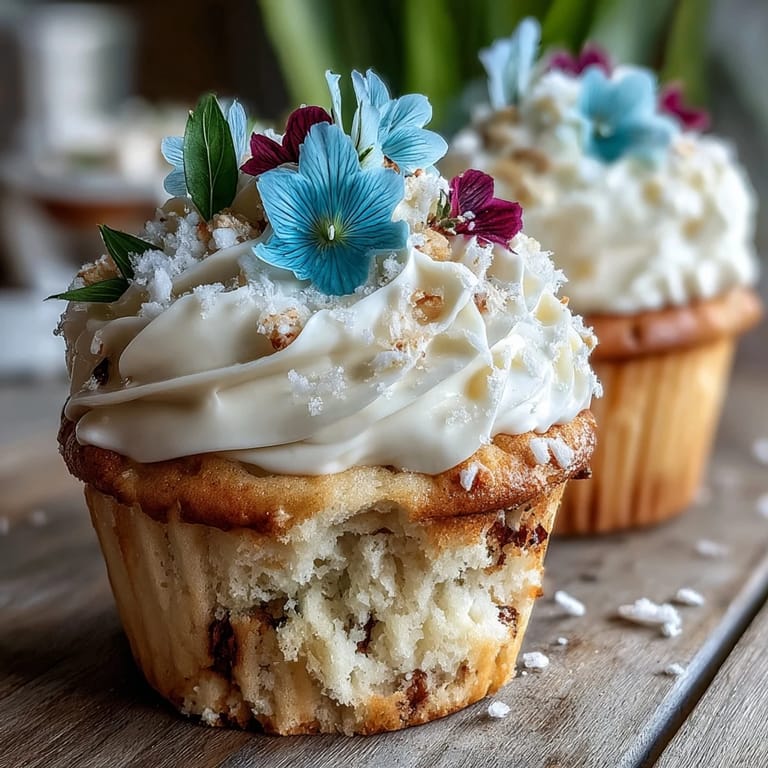
- Edible flowers: Source these from reputable sellers who grow them specifically for consumption; farmers markets with trusted vendors are your best bet.
Tired of Takeout? 🥡
Get 10 meals you can make faster than delivery arrives. Seriously.
One email. No spam. Unsubscribe anytime.
Instructions
- Set your stage:
- Preheat to 350°F and line your muffin tin with paper liners—this small step prevents you from fishing around with a spatula later trying to free a stuck cupcake from the pan. Room temperature ingredients are already waiting on the counter, so you're ahead of the game.
- Build your dry team:
- Whisk flour, baking powder, and salt together in a bowl, breaking up any little lumps of baking powder that might have clumped during storage. This ensures even rise and no bitter pockets.
- Cream butter and sugar:
- Beat them together for a good 2 to 3 minutes until the mixture looks pale and fluffy, almost like soft serve ice cream—this step incorporates air that makes cupcakes tender. Stop here and you've already done half the work of getting the texture right.
- Welcome the eggs:
- Add eggs one at a time, beating well after each one so they fully incorporate before the next arrives. This patience creates a stable emulsion that holds everything together smoothly.
- Alternate like you mean it:
- Add flour mixture and milk in three parts, starting and ending with flour—this technique prevents the batter from becoming soupy and keeps your crumb tender. Mix just until combined; overmixing develops gluten and makes cupcakes tough.
- Fill with intention:
- Divide batter so each cup is about two-thirds full, leaving room for the rise without overflow. I use an ice cream scoop for consistency, which also keeps my kitchen slightly less messy.
- Bake and listen:
- Bake 16 to 18 minutes until a toothpick comes out clean and your kitchen smells like pure vanilla heaven. Every oven runs hot or cool, so check at 16 minutes and trust what you see, not just the time.
- Cool with patience:
- Let them sit in the pan for 5 minutes so they set slightly, then move to a wire rack to cool completely—rushing this step leads to buttercream melting right off the warm cupcake. Completely cool cupcakes also hold frosting better and look more polished.
- Make silky buttercream:
- Beat softened butter until creamy, then gradually add sifted powdered sugar so you don't end up with a cloud of sugar dust in your face. The milk and vanilla create richness and flavor balance.
- Frost like an artist:
- Use a piping bag for a professional look or an offset spatula for a more casual, homemade feel—both are right. Cold cupcakes are your friend here; warm ones turn buttercream into a sliding situation.
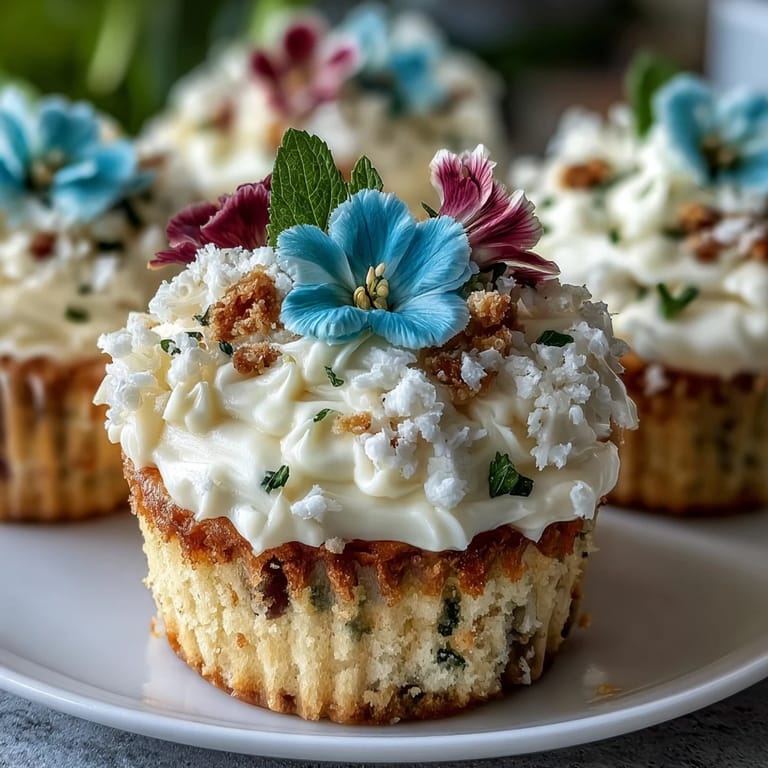
- Crown with flowers:
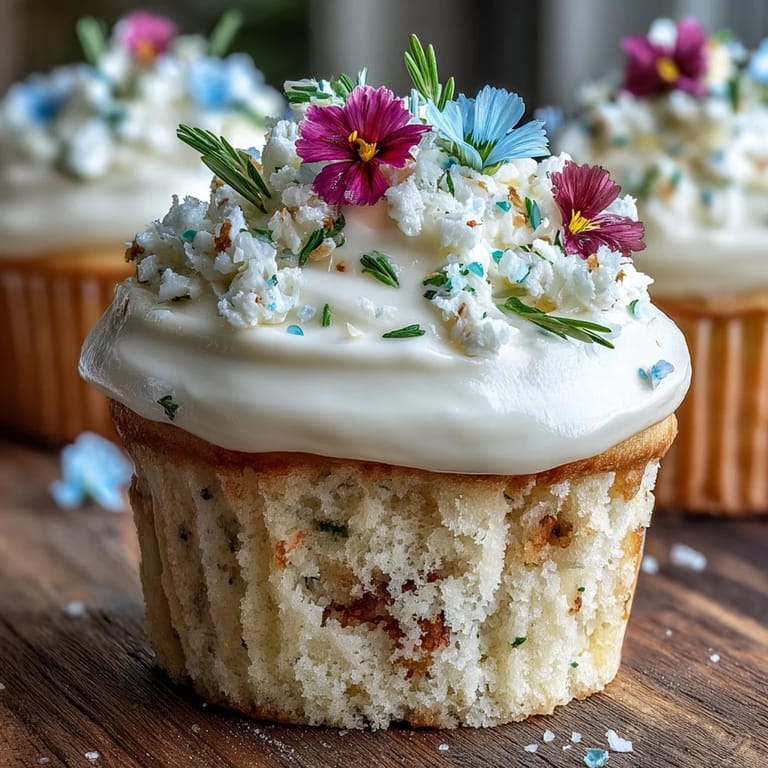
- Arrange edible flowers generously on top, varying the colors and types so each cupcake looks unique and special. The flowers should be the last thing you add so they stay vibrant and picture-perfect.
 Save
Save After the shower, I had three leftover cupcakes and no one to feed them to except myself. I sat in my kitchen on a quiet Sunday morning with one of them and a cup of coffee, and suddenly understood why people get attached to recipes—this little cake held an entire afternoon of joy and connection in its crumb. Food has a way of becoming a memory the moment you share it.
Sourcing Your Edible Flowers
Finding quality edible flowers took me to three different places before I found my rhythm: a specialty grocery store with a limited selection, a farmers market vendor who grew heirloom flowers specifically for chefs, and eventually a local organic farm that would let me place advance orders. The difference between grocery store violets and ones harvested that morning is the difference between decoration and magic—the farm-fresh ones have actual flavor and hold their color longer. When you're sourcing, ask questions about how they're grown, whether pesticides were used, and how recently they were harvested. Violets and pansies are the most forgiving for beginners, while nasturtiums add a peppery note and marigolds bring brightness. Some flowers like borage and calendula are edible but taste faintly herbal—decide if that's a welcome surprise or a distraction.
The Buttercream Situation
Buttercream feels intimidating until you realize it's just butter beaten until happy, then powdered sugar folded in gradually until it becomes clouds. I've ruined more batches by adding all the powdered sugar at once—it creates a dull, grainy texture instead of the silky smooth finish you're chasing. The trick I learned is to add the sugar in three or four additions, beating well between each, which gives you time to incorporate it fully and keeps air in the mixture. Temperature matters here too; if your kitchen is hot, your buttercream will be softer and may need a few minutes in the fridge before piping. Cold buttercream pipes beautifully but is harder to spread, while room temperature buttercream spreads easily but can look slightly slouchy on the cupcake. Finding your sweet spot comes down to knowing your kitchen and what you're trying to achieve.
Why This Recipe Works for Every Occasion
These cupcakes are flexible in the best way—they're elegant enough for a formal event but simple enough for a casual gathering, and they photograph beautifully without looking like they took hours to make. The vanilla base is neutral enough to pair with almost any flavor element you want to add, whether that's lemon zest, almond extract, or even a touch of rose water. They also freeze beautifully before frosting, which means you can bake them days ahead and frost them the morning of your event, removing stress from the day-of timeline.
- If spring is happening where you are, these are the dessert that says it best—light, fresh, and blooming.
- Make these for people you want to impress quietly, without fanfare, just beautiful things that taste good.
- Remember that edible flowers are the final touch, so don't stress if sourcing them feels complicated—even without flowers, these cupcakes stand on their own.
 Save
Save These cupcakes have a way of turning an ordinary afternoon into something worth remembering. Bake them for someone, watch their face when they see the flowers, and you'll understand why I keep coming back to this recipe.
Recipe FAQ
- → What types of flowers are safe to use?
Use organically grown, food-safe edible flowers like violets, pansies, nasturtiums, or marigold petals. Always wash gently before use.
- → Can I add a citrus flavor to the cupcakes?
Yes, adding the zest of one lemon to the batter introduces a bright citrus note that complements the vanilla and floral toppings.
- → How should the cupcakes be stored?
Store finished cupcakes in the refrigerator to keep the buttercream fresh and flowers vibrant. Allow them to come to room temperature before serving.
- → What tools are needed for decorating?
A piping bag and tips can help apply the buttercream smoothly, while an offset spatula allows for even spreading. Pastel sprinkles are optional for added color.
- → Are these suitable for vegetarians?
Yes, these cupcakes contain no meat products and use vegetarian-friendly ingredients like eggs and dairy.