 Save
Save The first time I made cottage cheese pancakes, I wasn't trying to be healthy—I just had a container of cottage cheese that needed using and eggs in the fridge. What started as kitchen problem-solving turned into something I'd make every weekend. There's something magical about blending simple ingredients and watching them transform into fluffy, pillowy pancakes that taste nothing like cottage cheese and everything like indulgence. My kids call them the "secret protein pancakes" because they're so filling, and honestly, that secret is now out.
I remember a Saturday morning when my partner was training for a half-marathon and kept asking what he could eat before his long runs. These pancakes became his pre-run fuel—he'd eat a stack, lace up his shoes, and head out. What I loved most was watching him come back hungry and happy, asking if I'd make them again the next weekend. That's when I knew this recipe had staying power.
Ingredients
- Cottage cheese: This is your secret weapon for protein and fluffiness; the blending breaks it down so completely that you get this tender crumb that regular flour alone can't deliver.
- Eggs: Two large ones bind everything and add richness without heaviness.
- Milk: Use whatever kind you have—dairy, almond, oat—it just makes the batter pourable and helps create those bubbles.
- Oat flour: If you don't have it, pulse rolled oats in the blender until fine; it adds a gentle, slightly nutty flavor.
- Baking powder: Just a half teaspoon is enough to lift these into cloud territory.
- Maple syrup or honey: A touch of sweetness that lets the dairy flavor shine instead of getting buried.
- Vanilla extract: One teaspoon is the difference between "good pancakes" and "what is this magic."
- Butter or oil: For the pan; I use butter because it smells incredible and browns the edges just right.
Tired of Takeout? 🥡
Get 10 meals you can make faster than delivery arrives. Seriously.
One email. No spam. Unsubscribe anytime.
Instructions
- Blend the wet base:
- Pour the cottage cheese, eggs, milk, maple syrup, and vanilla into your blender and let it run until completely smooth—you want zero cottage cheese lumps here, and this usually takes about 30 seconds.
- Add the dry goods:
- Sprinkle in the oat flour, baking powder, and salt, then pulse gently until just combined, scraping the sides once. Don't overblend or you'll lose the lift from the baking powder.
- Heat your cooking surface:
- Set a nonstick skillet or griddle to medium heat and let it warm for a minute, then add a small pat of butter or a brush of oil, swirling it around until it's glistening.
- Cook the first side:
- Pour about a quarter cup of batter per pancake onto the warm skillet and wait—you'll see bubbles break through the surface, and the edges will look slightly set, about 2 to 3 minutes. That's your signal to flip.
- Finish with a golden flip:
- Slide your spatula underneath and flip with a gentle wrist flick, then cook until the other side is golden brown and a toothpick inserted comes out clean, another minute or so.
- Plate and celebrate:
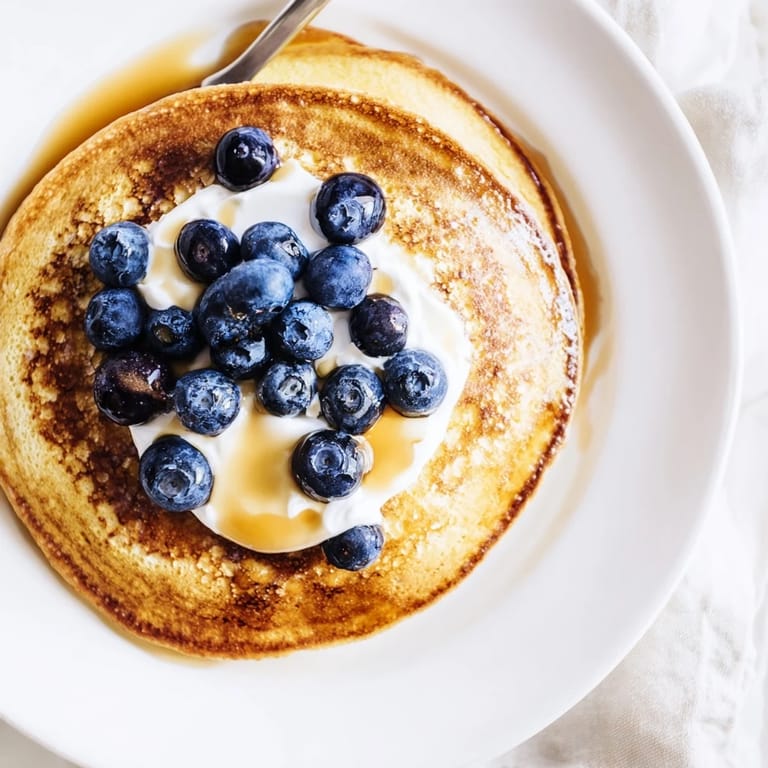
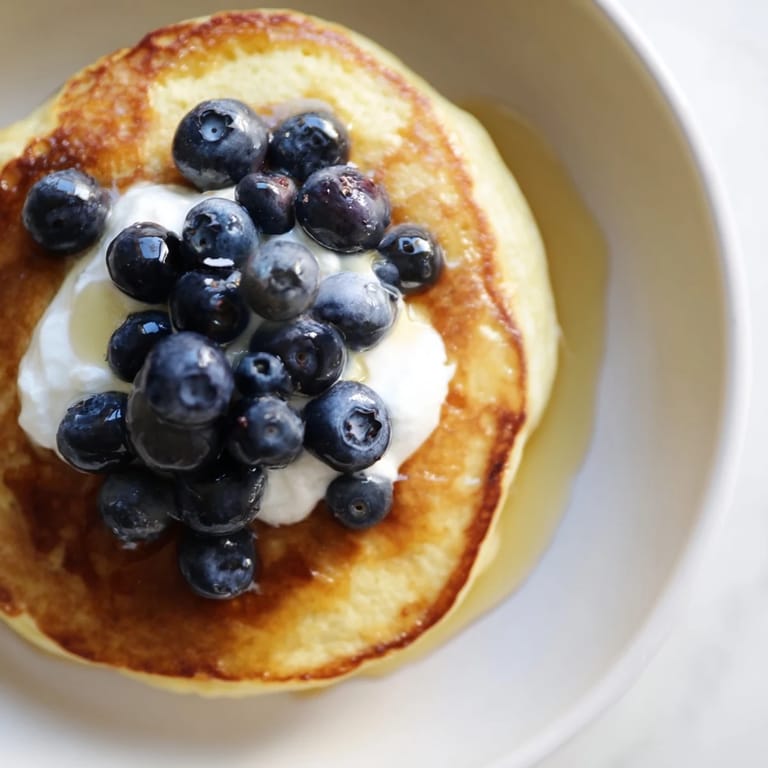
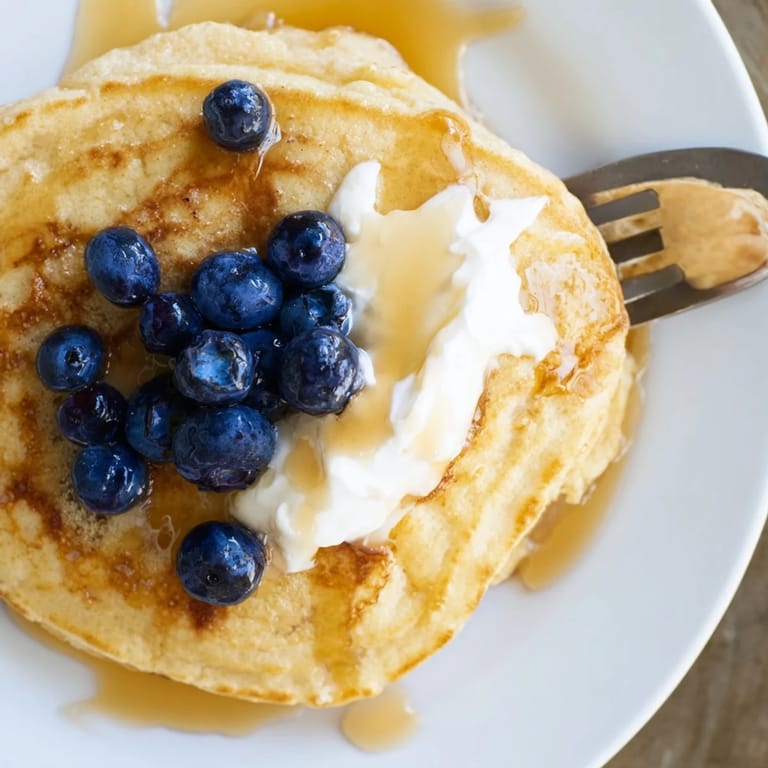
- Transfer to a warm plate and serve immediately with whatever toppings make your heart happy—berries, Greek yogurt, nut butter, or a drizzle of maple syrup.
 Save
Save One quiet Tuesday morning, I made these for myself and ate them slowly at the kitchen counter with fresh raspberries and a cup of coffee, and I realized I wasn't eating them because I had to or because they were "healthy"—I was eating them because they were actually delicious. That moment changed how I approached cooking for myself.
Why This Recipe Became a Breakfast Staple
What makes these pancakes different is the way they bridge two worlds—the comfort of a weekend breakfast and the practicality of real nutrition. They're not trying to trick you with hidden vegetables or fake sugar. The cottage cheese is just there, honest and straightforward, making everything lighter and more sustaining than you'd expect. Once you make them once, your pancake game changes forever.
The Blender Is Your Best Friend Here
I learned quickly that a good blender makes all the difference in how smooth and uniform your batter turns out. If you have an older blender, you might need to blend the wet ingredients first, let it sit for a minute, then add the dry goods and pulse. Some people use a food processor or hand mixer, and that works, but the texture won't be quite as refined. Investing in one good blender moment means pancakes that taste restaurant-quality.
Timing and Temperature Make or Break the Flip
The sweet spot for these pancakes is medium heat—not low, which makes them dense, and not high, which scorches the outside before the inside cooks through. Watch for those little bubbles to form and break on the surface; that's when the bottom is set enough to handle a flip without folding in on itself. I used to flip too early and end up with pancakes that looked like little pillows folded in half, but now I wait that extra 15 seconds and get beautiful, fluffy rounds.
- If your first pancake isn't perfect, adjust your heat down slightly and try again—the second batch will be fluffier than the first.
- Stacking the cooked pancakes on a warm plate instead of a cold one keeps them soft and fluffy while you finish cooking the rest.
- A little pat of butter between each layer before serving adds richness without changing the recipe itself.
 Save
Save These pancakes are the kind of recipe that grows with you—you make them once for the nutrition, and then you keep making them because they taste like home. That's the best kind of kitchen win.