 Save
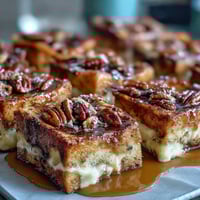
Save Saturday mornings used to mean burnt edges and runny centers until I stopped trying to make French toast like everyone else. One weekend, I had thick slices of brioche sitting out, Greek yogurt in the fridge, and an egg—nothing fancy. Instead of dunking, I created little custard wells right in the bread and let the oven do the work. The result was something entirely its own: crispy-edged, custardy-centered, and ready in under 30 minutes.
I made this for my friend who claimed she could never get breakfast right, and watching her pull it from the oven was the moment she realized you don't need complicated techniques to make something that tastes homemade. She still texts me photos of her versions.
Ingredients
- Brioche or challah (2 thick slices, about 1-inch): The soft crumb soaks up custard without falling apart, and the slight sweetness plays perfectly with the honey-yogurt filling.
- Large egg: One egg is enough to bind everything together and create that silky set in the oven.
- Plain Greek yogurt (3 tbsp): This is the secret—it adds creaminess and a subtle tang that keeps the custard from tasting one-dimensional.
- Honey or maple syrup (1½ tbsp): Sweetens the custard and browns lightly as it bakes, adding a caramelized note.
- Vanilla extract (½ tsp): A small amount deepens all the other flavors without screaming vanilla.
- Salt (pinch): Brings everything into focus and makes the sweetness land softer.
- Fresh berries, sliced nuts, powdered sugar, and extra syrup for topping: These are optional but they're the difference between breakfast and something you'd serve at brunch.
Tired of Takeout? 🥡
Get 10 meals you can make faster than delivery arrives. Seriously.
One email. No spam. Unsubscribe anytime.
Instructions
- Heat your oven and prep:
- Preheat to 375°F and line a baking sheet with parchment paper. This small step means cleanup takes seconds instead of soaking pans.
- Whisk the custard:
- In a small bowl, combine the egg, Greek yogurt, honey, vanilla, and salt, whisking until completely smooth. You're aiming for a pourable custard with no streaks of yogurt hiding in corners.
- Create the wells:
- Place your bread slices on the sheet and use the back of a spoon to gently press down in the center of each slice, leaving a border so the custard has walls to hold it. Think of it like creating a shallow boat.
- Fill and top:
- Spoon or pour the custard into the wells, dividing evenly. Add berries and nuts if you're using them—the fruit will soften slightly and the nuts stay crunchy.
- Bake to golden:
- Bake for 12–15 minutes until the custard is just set (it should jiggle slightly when you move the pan, not slosh) and the bread edges are golden and crisp. This is the sweet spot between custardy and cooked through.
- Finish and serve:
- Let it cool for just a minute, then dust with powdered sugar and drizzle with extra honey or syrup. Serve warm while the contrast between crispy edges and soft center is at its peak.
 Save
Save There's something quiet and intentional about sitting down to something this golden while it's still steaming. It stopped being just breakfast the day I realized I was taking bites slowly, noticing every layer, instead of rushing through the meal.
Custard Variations That Work
Once you have the basic method down, the custard itself becomes a canvas. A tiny pinch of cinnamon warms the whole thing toward autumn comfort, while a whisper of lemon zest brightens it into spring. I've even tried a half-teaspoon of almond extract instead of vanilla, which sounds risky but somehow feels luxurious. The egg and yogurt base stays the same—it's just the supporting notes that shift.
Making It Work for Your Dietary Needs
If you're navigating allergies or preferences, this recipe bends without breaking. Gluten-free bread works perfectly as long as it's thick enough to hold up during baking. For dairy-free, swap the Greek yogurt for a coconut or oat-based yogurt and use a flax egg (1 tablespoon ground flax mixed with 3 tablespoons water, sit for five minutes). The result tastes just as good, though the texture becomes slightly less custardy and more set—which is still entirely delicious.
Pairing and Serving Ideas
Serve this with a small dollop of Greek yogurt or lightly whipped cream on the side if you want to lean into richness. A cup of good coffee or tea cuts through the sweetness beautifully, and having fresh berries alongside means you can add more if your first bite makes you want it fruitier. For a more indulgent brunch, pair it with a gentle scrambled eggs and a simple green salad dressed in lemon vinaigrette to balance the sweetness of the toast.
- A spoonful of jam swirled into Greek yogurt makes an easy homemade compote to dollop on top.
- If berries aren't in season, roasted stone fruit or poached pears work just as well.
- Make it ahead by preparing the custard mixture the night before—just whisk again before using.
 Save
Save This is one of those recipes that feels like it came from somewhere far away or generations deep, but it's really just eggs, bread, and the small pleasure of watching something simple transform in the oven. Make it for yourself, or make it for someone you want to impress gently.
Recipe FAQ
- → What type of bread works best for custard toast?
Thick slices of brioche or challah are ideal for soaking up the custard while maintaining structure during baking.
- → Can I substitute the yogurt in the custard?
Yes, plain Greek yogurt provides creaminess, but dairy-free yogurt alternatives can be used for different dietary needs.
- → How do I prevent the bread from becoming soggy?
Creating a shallow well in each bread slice to hold the custard helps prevent sogginess, allowing the edges to crisp up nicely.
- → What toppings complement the custard toast?
Fresh mixed berries, sliced almonds or pistachios, a dusting of powdered sugar, and a drizzle of honey or maple syrup enhance both flavor and texture.
- → Can I add spices or flavor to the custard?
Absolutely. Adding cinnamon or lemon zest to the custard mixture can provide extra aromatic notes.