 Save
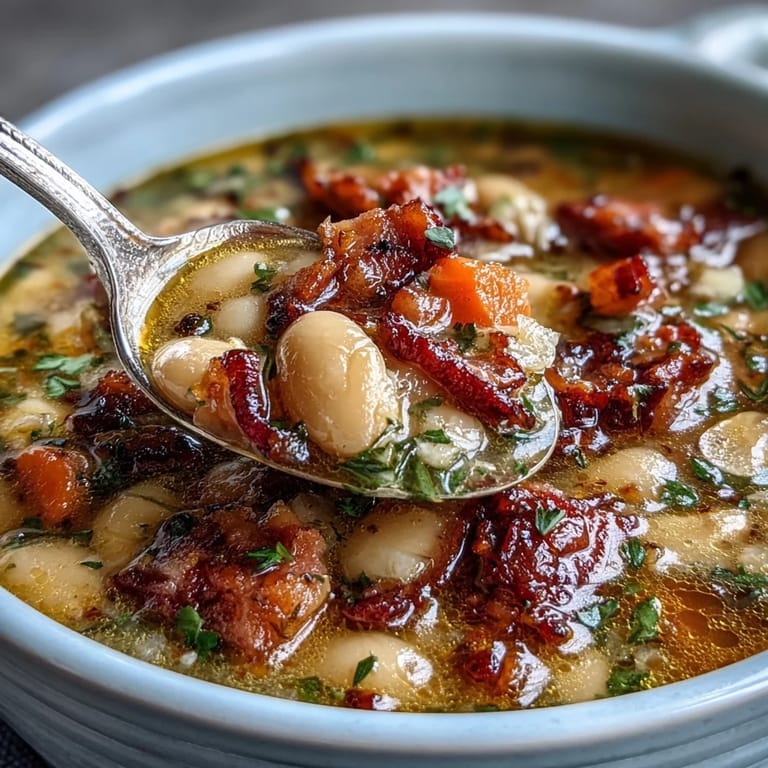
Save My grandmother kept a ham bone wrapped in butcher paper at the back of her freezer, always waiting for the moment when the weather turned cold and her kitchen needed filling with something warm. One particularly gray afternoon, she pulled it out without ceremony, tossed it into a slow cooker with beans that had been sitting in her pantry since summer, and walked away—no fussing, no complicated steps. Eight hours later, the entire house smelled like home, and I understood why she never threw anything away.
I made this soup on a Sunday when my neighbor stopped by unexpectedly, and instead of apologizing for the mess of ingredients, I invited her to stay. She watched the whole process unfold—the quiet way the beans softened, how the broth deepened in color—and by the time we ladled it into bowls, she was already asking for the recipe. That's when I realized soup doesn't need to be complicated to be memorable.
Ingredients
- Great Northern Beans: Rinsing and sorting these removes any hidden pebbles and ensures a clean, creamy texture as they break down during the long cook.
- Ham Bone or Diced Cooked Ham: A meaty ham bone infuses the entire pot with savory depth, but diced ham works beautifully if you prefer smaller pieces throughout.
- Onion, Carrots, and Celery: These three aromatics form the foundation of flavor—chop them evenly so they cook at the same rate and soften into the broth.
- Garlic: Minced finely, it dissolves into the soup and adds a whisper of sharpness that balances the ham's richness.
- Low-Sodium Chicken Broth: Using low-sodium lets you control the salt level, especially important since ham carries its own saltiness.
- Bay Leaves and Dried Thyme: These herbs don't shout—they quietly layer flavor throughout the cooking time, becoming almost invisible but deeply essential.
- Black Pepper and Salt: Add pepper at the start for subtle heat, then taste before serving to salt properly, as the ham already contributes significant saltiness.
Tired of Takeout? 🥡
Get 10 meals you can make faster than delivery arrives. Seriously.
One email. No spam. Unsubscribe anytime.
Instructions
- Sort and Rinse Your Beans:
- Spread the beans across a plate and look through them carefully—sometimes debris hides among the good ones. Rinse them under cold water in a colander, letting the water run clear.
- Build Your Base:
- Add beans, ham, and all the chopped vegetables to your slow cooker in one generous dump. The vegetables don't need to be perfect; just aim for roughly the same size so everything cooks evenly.
- Pour in the Liquids and Seasonings:
- Pour the broth and water over everything, then scatter in the bay leaves, thyme, and pepper. Give it a gentle stir to combine, but don't feel pressured to be precise—slow cookers are forgiving.
- Let Time Do the Work:
- Cover the slow cooker and set it to low for 8 hours. The beans will gradually absorb the liquid and become creamy, while the ham infuses everything with deep, savory notes. Resist the urge to peek; you're not helping anything by lifting the lid.
- Finish and Adjust:
- If using a ham bone, carefully pull it out and shred any tender meat clinging to it, returning the shreds to the pot and discarding the bone and bay leaves. Taste the soup and add salt cautiously, remembering the ham already contributed quite a bit.
- Serve with Warmth:
- Ladle into bowls while steaming hot, and if you want extra creaminess, use the back of your ladle to gently mash a few beans against the side of the pot before serving.
 Save
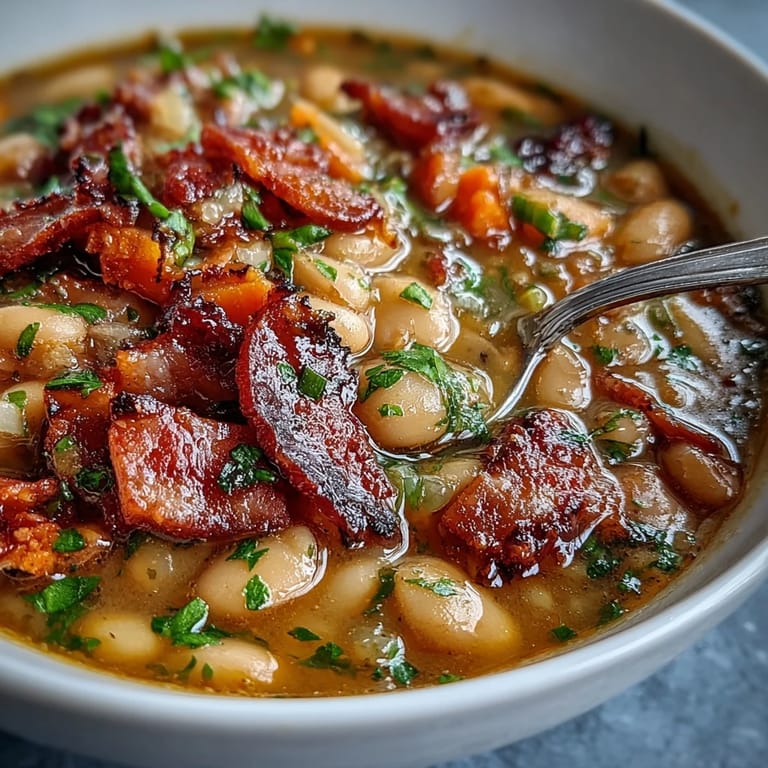
Save There's a quiet comfort in knowing that soup is waiting for you, that you've set something in motion that requires nothing more than patience. My family calls it the Sunday soup, not because we make it only on Sundays, but because it carries that same feeling—unhurried, nourishing, and deeply kind.
How to Make It Creamier
If you prefer a thicker, more velvety soup, take a ladle and gently press some of the cooked beans against the inside wall of the slow cooker once the cooking time is done. The broken beans will release their starch into the broth, creating a natural creaminess without any cream at all. You can do this just a little for subtle texture, or more aggressively if you like something almost chowder-like.
Building Flavor Beyond the Basic Recipe
Once the soup is cooked and tasted, you have room to play. A generous pinch of smoked paprika adds a whisper of something campfire-like, while a few dashes of hot sauce bring unexpected brightness that cuts through the richness. Fresh parsley stirred in at the very end tastes like spring, even in the deepest winter.
Storage and Make-Ahead Wisdom
This soup is one of those dishes that actually improves after a night in the refrigerator, as the flavors settle and deepen. It keeps beautifully for several days in the fridge and freezes exceptionally well for up to three months, making it perfect for meal planning or unexpected guests.
- Cool the soup completely before freezing to prevent condensation buildup and ice crystals.
- Freeze in quart-sized containers so you can thaw exactly what you need without waste.
- When reheating from frozen, let it thaw overnight in the fridge first, then warm gently on the stovetop with a splash of water if it seems too thick.
 Save
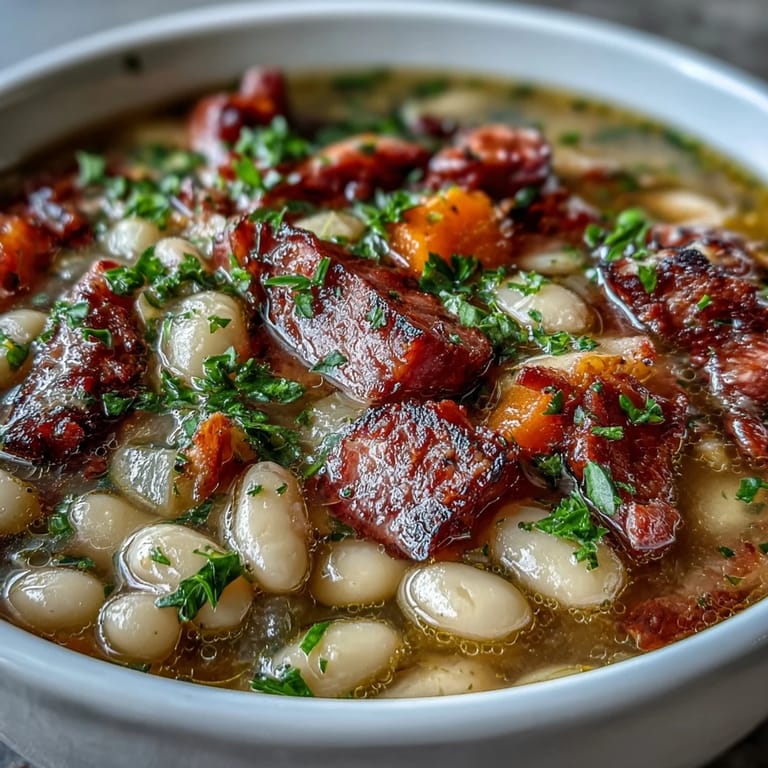
Save Soup like this reminds us that the best meals often come from restraint and time, not complexity. Serve it with crusty bread, sit down, and let it warm you from the inside out.
Recipe FAQ
- → Can I soak the Great Northern beans before cooking?
Soaking is optional; it can reduce cooking time and make beans softer, but not necessary when using a slow cooker.
- → What is the best way to add depth of flavor?
Slow cooking with ham bone or diced ham along with aromatics like onion, carrots, and celery helps build rich, savory notes.
- → How can I thicken the soup?
Mash some beans against the slow cooker’s side before serving to create a creamier texture.
- → Is it possible to add spice to this dish?
Yes, a pinch of smoked paprika or a splash of hot sauce adds a pleasant smoky or spicy kick.
- → How long does this dish keep when refrigerated or frozen?
Leftovers can be refrigerated for a few days or frozen for up to 3 months while maintaining their flavor.