 Save
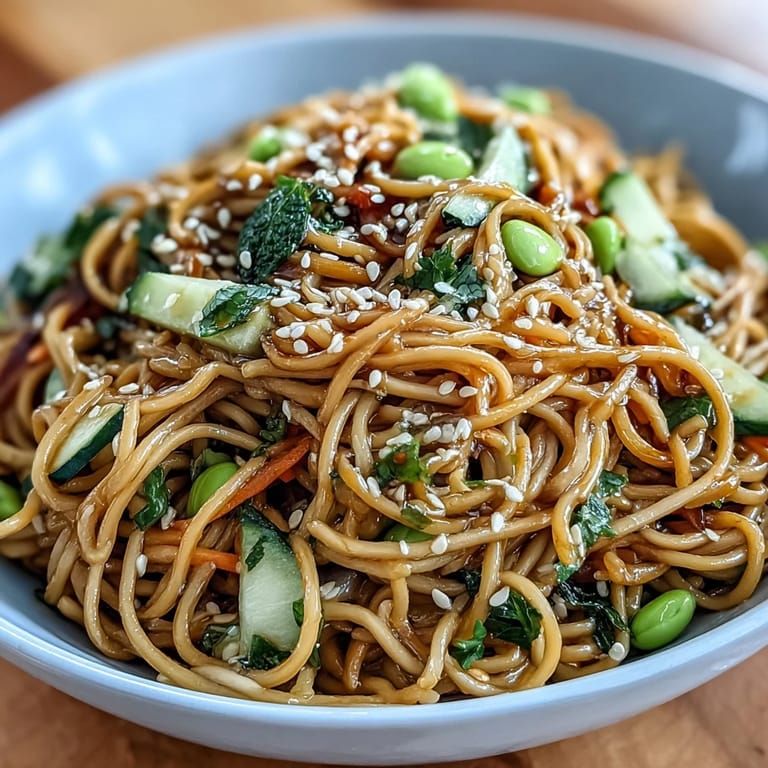
Save There's something magical about the moment you realize a bowl of cold noodles can feel like an entire meal, especially when that dressing hits just right. My first attempt at this sesame ginger version happened on a sweltering afternoon when I had nothing but pantry staples and a craving for something that wouldn't heat up the kitchen. What started as improvisation became the dish I now make at least twice a month, sometimes because I'm hungry, sometimes just because I want to remember how simple things can taste so good.
I served this to my sister last summer when she showed up unannounced with a stressed expression and an empty stomach. She took one bite, closed her eyes, and said, "Why haven't you been making this every week?" That question stuck with me because it captured exactly why I keep returning to this bowl—it tastes like care without demanding hours in the kitchen.
Ingredients
- Soba or rice noodles (300 g): These hold the dressing beautifully and stay tender without becoming mushy, though soba adds a nuttier depth if you can find it.
- Cucumber (1 medium): The crisp freshness cuts through the richness of the sesame oil, and julienning it by hand takes only a few minutes.
- Carrots (2 medium): Their natural sweetness balances the savory elements, and the bright orange color makes the bowl visually irresistible.
- Edamame (1 cup): These little green pods provide protein and a satisfying pop that keeps each bite interesting.
- Green onions (2): Their mild onion bite and fresh aroma transform a simple bowl into something that tastes intentional.
- Sesame seeds (2 tbsp): Toast them yourself if possible—that nutty aroma filling your kitchen is half the experience.
- Tahini (3 tbsp): This is the backbone of the dressing; creamy peanut butter works too, but tahini has a lighter touch that lets other flavors shine.
- Soy sauce (2 tbsp): Use tamari if gluten bothers you, and don't skip this—it's what makes everything taste like it belongs together.
- Toasted sesame oil (2 tbsp): The real deal matters here; cheap versions taste flat and chemical, while good sesame oil smells like home.
- Rice vinegar (1 tbsp): Just enough acidity to keep the dressing from feeling heavy, with a gentleness that regular vinegar lacks.
- Maple syrup or honey (1 tbsp): This tiny bit of sweetness rounds everything out without making the bowl dessert-like.
- Ginger (1 tbsp fresh, grated): There's no substitute for fresh ginger; the warmth it brings is what people taste first and remember longest.
- Garlic (1 clove, minced): Just enough to add depth without overpowering the delicate sesame notes.
- Water (2–3 tbsp): You'll use this to thin the dressing to the right consistency—trust your instincts here.
Tired of Takeout? 🥡
Get 10 meals you can make faster than delivery arrives. Seriously.
One email. No spam. Unsubscribe anytime.
Instructions
- Cook the noodles until tender:
- Boil water, add noodles, and cook according to the package—usually about 8 minutes for soba. Drain into a colander and run cold water over them while gently tossing until they're completely cool to the touch and no longer clumping together.
- Prep your vegetables:
- Julienne the cucumber and carrots with a knife or mandoline, keeping them as uniform as possible so they cook evenly if you want them softer. Slice the green onions on a slight angle and have the cooled edamame ready.
- Build the dressing:
- In a small bowl, whisk the tahini, soy sauce, sesame oil, rice vinegar, maple syrup, ginger, and garlic together. Start with 2 tablespoons of water and whisk constantly until it's silky and pourable—the dressing should coat a spoon but not be runny like vinaigrette.
- Toss the noodles with dressing:
- Put your cooled noodles in a large bowl and pour the dressing over them, mixing gently with chopsticks or tongs until every strand is coated. The dressing will cling to the noodles and look creamy.
- Add the vegetables:
- Scatter the cucumber, carrot, and edamame into the bowl and toss everything together with a light hand so you don't break the vegetables. The cool vegetables contrasting with the rich noodles is part of the magic here.
- Plate and garnish:
- Divide the noodle mixture among four bowls and sprinkle generously with green onions and toasted sesame seeds. A small drizzle of extra sesame oil on top adds restaurant-quality polish.
- Serve or chill:
- Eat immediately if you like everything at room temperature, or chill for 15 minutes if you want the bowl extra refreshing. The dressing won't separate much, so there's no rushed timeline here.
 Save
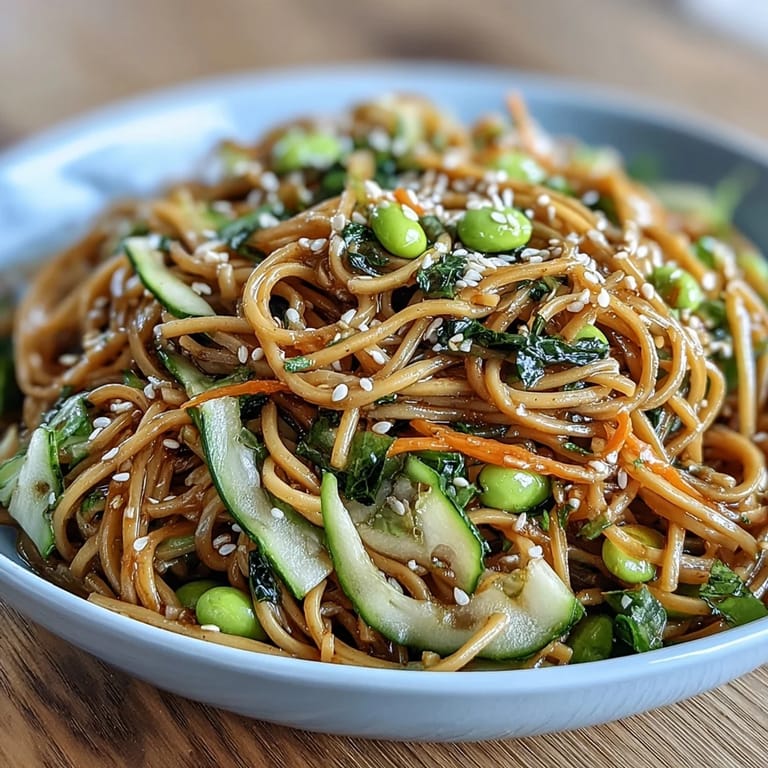
Save One evening, my neighbor smelled the toasted sesame seeds from my kitchen and came over asking what I was making. We ended up eating this bowl together on the porch, and she told me stories I'd never heard before, the kind that only come out when you're eating something that feels like a small celebration. That's when I understood that this dish isn't just food—it's an invitation for people to slow down.
The Dressing That Changes Everything
The sesame-ginger dressing is what separates this from being just cold noodles with toppings. When you whisk tahini with sesame oil and rice vinegar, something almost alchemical happens—the creamy fat carries the sharp and spicy notes in a way that feels balanced and complete. I learned by accident that letting the dressing sit for five minutes before tossing the noodles helps the flavors deepen, so patience here pays dividends in your final bowl.
Why Cold Noodles Win
There's a practical reason this dish feels so refreshing beyond just temperature. Cold noodles are forgiving in a way hot noodles aren't—they won't absorb the dressing too quickly, they won't dry out if you assemble your bowl an hour early, and they let each component stay distinct rather than becoming a mushy unified mass. I've served this to friends who claim they don't like sesame or ginger, and something about the cool texture and the way the dressing clings to the noodles makes them reconsider.
Variations and Personal Touches
The beauty of this bowl is how it bends to your kitchen and your mood. Some days I add crispy baked tofu, other times shredded rotisserie chicken when I want more protein without effort. I've thrown in shredded red cabbage for crunch, swapped the carrots for roasted beets, and even added a soft-boiled egg because why not? The dressing is flexible enough that your additions always feel cohesive rather than like you're just piling ingredients randomly.
- Try sriracha or chili flakes stirred into the dressing if you want heat that builds as you eat.
- Cucumber can be swapped for zucchini, bell pepper, or even thinly sliced apple for sweetness.
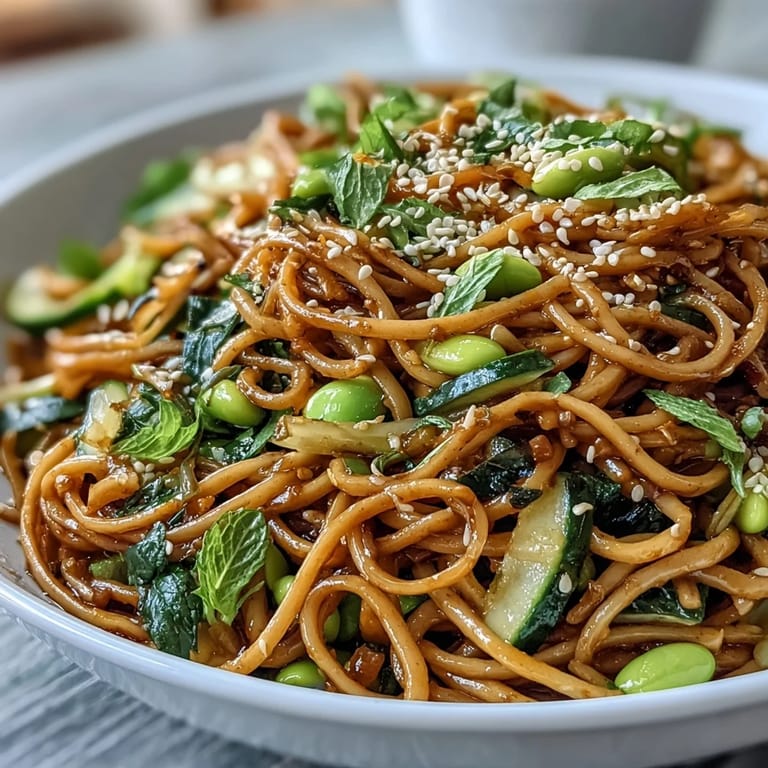
- A handful of fresh mint or cilantro scattered on top adds an unexpected brightness that elevates the entire bowl.
 Save
Save This bowl quietly became part of my life because it asked so little and gave so much—a meal that feels special without theatrical effort, refreshing without being spare, and nourishing without heaviness. Every time I make it, I remember why simple dishes often taste the most like coming home.