 Save
Save I'll never forget the moment my daughter's eyes lit up when she walked into my kitchen and saw this monarch butterfly platter taking shape on our dining table. It was her school's nature appreciation week, and I wanted to create something that would make her feel like we were bringing a piece of the garden indoors. As I arranged those vibrant orange and black elements, carefully layering each ingredient, I realized this wasn't just about making a beautiful appetizer—it was about creating a memory she'd carry with her, something she could tell her friends about for weeks.
Last summer, I served this at a garden party, and watching people approach the platter with almost reverent curiosity was pure magic. A grandmother who claimed she never enjoyed appetizers ended up creating this elaborate little plate for herself, mixing the creamy cheddar with the briny olives and sweet grapes. That's when I knew this dish had something special—it transcended the typical appetizer category and became a conversation starter, a work of art, and genuinely delicious food all at once.
Ingredients
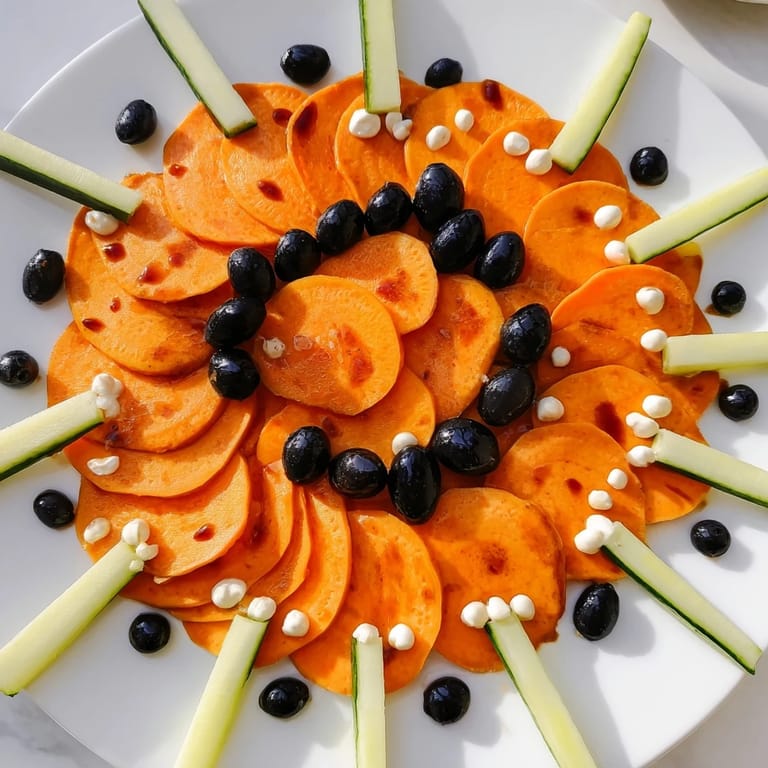
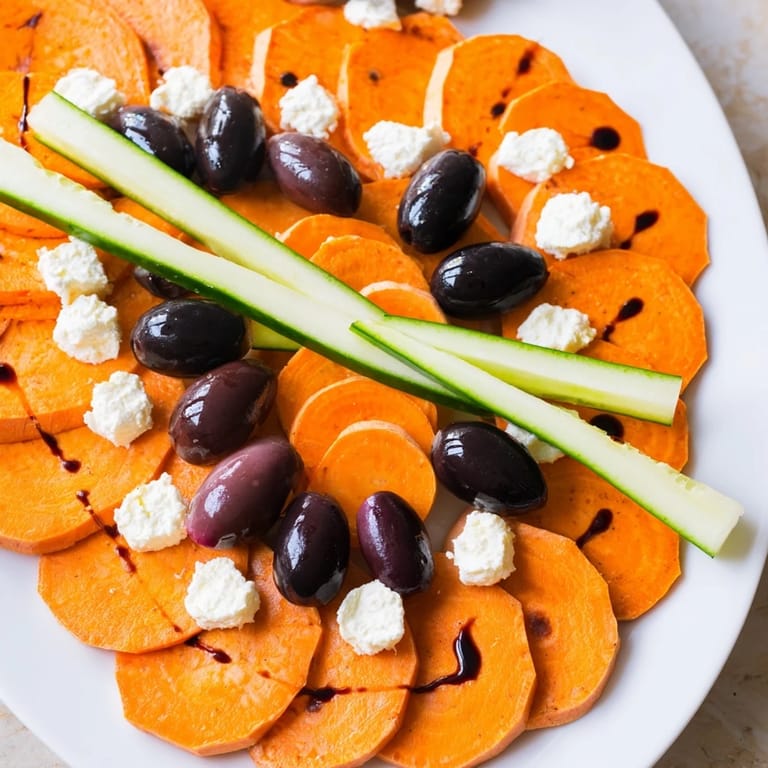
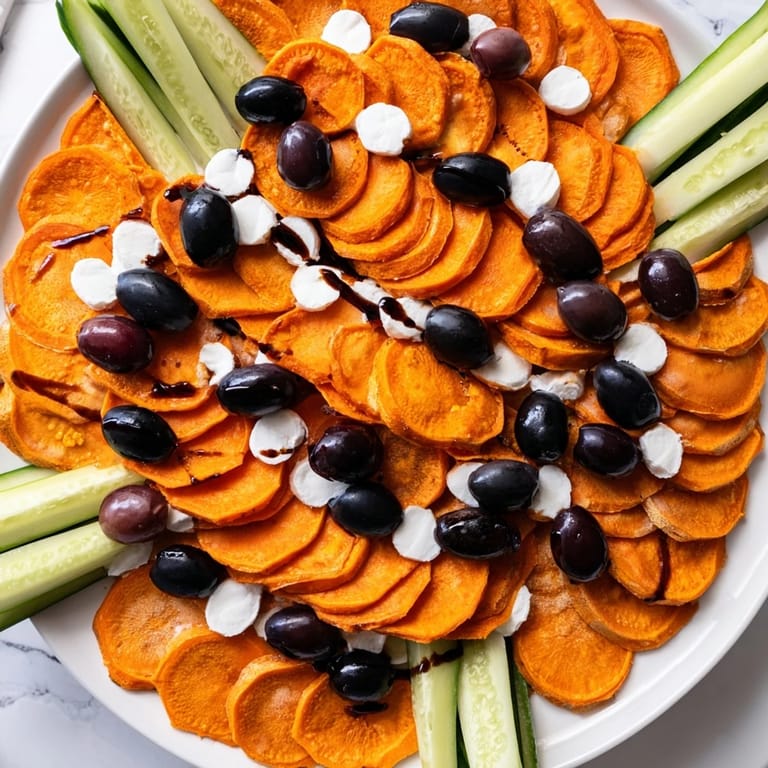
- Sweet potato, thinly sliced and roasted: This is your main orange player—roasting brings out its natural sweetness and creates slightly caramelized edges that add textural interest. I've learned that slicing them thin means they crisp up beautifully, making them easier for guests to grab without the platter looking messy.
- Carrot, sliced into thin rounds: Raw carrot provides that fresh crunch that balances the softer roasted elements, and the natural sweetness plays beautifully against the savory cheese and briny olives.
- Orange bell pepper, sliced into strips: This is your brightest, most jewel-like orange—the visual anchor that makes people stop and stare before they even taste anything.
- Cheddar cheese, cubed: A sharp, aged cheddar works better than mild; it creates little flavor pockets that make each bite interesting and adds that satisfying protein element.
- Black olives, pitted and halved: These create the sophisticated dark edges that define the monarch's wing pattern. The briny, umami flavor is essential to the balance of this platter.
- Black grapes, halved: A surprising element that adds sweetness and visual softness to the dark sections—they're what make people pause and say, 'wait, are those grapes?'
- Black sesame or rice crackers: These add textural contrast and help break up the soft elements visually. They also give guests something crunchy to anchor their bites.
- Balsamic glaze: Use this sparingly—it's your artist's signature, highlighting the wing patterns with dark drizzles that deepen the monarch aesthetic.
- Cucumber, sliced lengthwise into sticks: The pale green creates the perfect body line down the center, and cucumber's refreshing quality cleanses the palate between bites of richer elements.
- Cream cheese, softened: This becomes your artist's tool—small dots create the authentic white spots along the black wing edges that make someone genuinely recognize this as a monarch pattern.
- Fresh dill or microgreens: These delicate antennae at the top transform this from 'pretty platter' to 'actual butterfly,' and they add a fresh, slightly herbaceous note that ties everything together.
Tired of Takeout? 🥡
Get 10 meals you can make faster than delivery arrives. Seriously.
One email. No spam. Unsubscribe anytime.
Instructions
- Prep everything with care:
- This is where precision matters. Roast your sweet potato slices at 400°F for about 20 minutes until the edges are slightly caramelized and they're tender enough to easily pick up, but still sturdy. While that's happening, slice your other vegetables—think thin enough that they're elegant, thick enough that they don't feel fragile. Cut your cheddar into small cubes so guests can grab them without the platter collapsing. Halve your olives and grapes so they nestle naturally into the pattern. Having everything ready before you arrange means you can work with intention rather than rushing.
- Create the body:
- Take your large rectangular platter and lay those cucumber sticks down the center lengthwise. This is your butterfly's body, your anchor line—it should be perfectly straight and run the full length of your platter. Step back and look at it; if it feels off-center, adjust now before you add anything else.
- Build the upper wings:
- Starting from the center line and working outward, arrange your orange elements in a fanned, symmetrical pattern on the upper half of your platter. Think of how a monarch's wings spread—wider at the outer edges, tapering gently toward the body. Your roasted sweet potato should form the main wing shape, with carrot rounds and bell pepper strips filling in and creating visual interest. This is where you're creating the primary impression, so take your time. Stand back frequently and look at your work from above and from different angles.
- Mirror on the lower wings:
- Repeat the exact same pattern on the lower half of the platter. This symmetry is what makes brains recognize 'butterfly'—even if someone can't articulate why, they'll feel it instinctively. Make sure both sides are balanced in color intensity and ingredient distribution.
- Add the dark pattern:
- Now comes the detail work. Fill the spaces between your orange sections with your black elements—olives, grapes, and crackers arranged to create the signature black edging and spots of a real monarch wing. This is where the pattern becomes sophisticated. Place olives along what would be the wing edges, scatter grapes in clusters, tuck crackers into gaps. There's no single 'right way' here; trust your eye and the natural visual rhythm that emerges.
- Add the white detail dots:
- This is the moment that transforms 'nice platter' into 'actual butterfly.' Take your softened cream cheese and a small spoon, and create tiny white dots along the black edges, mimicking the authentic markings of a monarch. These should be delicate—think pinpoint size, not dollops. This detail is what people will remember noticing.
- Finish with the glaze:
- Very sparingly drizzle balsamic glaze across the dark sections to deepen the pattern and add gloss. Less is more here; you're not trying to cover, just to highlight and deepen the visual drama.
- Crown with antennae:
- At the very top of your cucumber 'body,' arrange dill fronds or delicate microgreens to create butterfly antennae. These final touches make the piece feel complete and alive.
- Present with confidence:
- Place this in the center of your table or on a prominent surface. Step back and look at your work. You've just created an edible work of art that tastes as good as it looks. When guests arrive, encourage them to build their own bites, mixing elements to find their favorite combinations. This transforms the eating experience from passive to participatory.
 Save
Save What moved me most was how this platter became a bridge between generations at that summer party. Kids were fascinated by the butterfly design, while their grandparents connected over the artful simplicity of the approach. I watched a shy toddler have her first conversation with a stranger as they both leaned over to examine the pattern together. Food can do that when it's made with attention and joy—it becomes about more than nourishment; it becomes about human connection.
The Art of Intentional Arranging
There's something deeply meditative about arranging this platter. It forces you to slow down and think about color, balance, and visual flow. I've discovered that the best food presentations happen when you stop trying to make something perfect and instead focus on making it honest—placing each element where it naturally wants to be based on color, shape, and the composition taking form before your eyes. This is a technique you can apply to any platter or board: let the ingredients guide you rather than forcing them into a predetermined rigid structure.
Flavor Pairing Wisdom
The genius of this platter is that it works because of flavor contrast and balance. The sweetness of the grapes and roasted sweet potato plays against the brine of the olives and the sharpness of aged cheddar. The fresh crunch of raw carrot and the delicate herbaceous quality of dill cleanse your palate between bites. Each element serves a purpose beyond its color—they genuinely taste wonderful together, which is why guests find themselves coming back again and again rather than just taking a polite bite and moving on.
Adaptations and Personal Touches
One of the beautiful things about this recipe is how willingly it accepts your creative input. The core concept—colorful elements arranged in a butterfly pattern—remains the same, but your personal kitchen knowledge and preferences shape the final result. The first time I made this, I used store-bought roasted red peppers because I was short on time, and they actually looked stunning. Another version featured roasted butternut squash instead of sweet potato because that's what was in my harvest box that week. I've made winter versions with pomegranate seeds substituting for grapes, adding a jeweled quality that felt seasonal and special.
- Experiment with different orange vegetables—roasted carrots, orange cherry tomatoes, even diced mango in a pinch, keeping in mind that roasted items hold their shape better than fresh
- Purple carrot slices or thin beet rounds add sophisticated color contrast that makes the pattern feel even more intricate and naturalistic
- Consider your guests' preferences; if someone's dairy-free, skip the cheese and cream cheese entirely and rely on the natural colors and patterns of the vegetables—it's still stunning
 Save
Save Every time I make this platter, I'm reminded that food is a language we speak with our hands and our hearts. This butterfly says, 'I thought of you, I took time with this, I wanted to create something that would make you smile and taste something delicious.' That's the real recipe here.
Recipe FAQ
- → What ingredients create the orange wing elements?
Thinly sliced roasted sweet potato, carrot rounds, orange bell pepper strips, and cubed cheddar cheese form the bright orange sections.
- → How is the central body of the butterfly formed?
Lengthwise cucumber sticks arranged down the platter’s center create the butterfly’s body.
- → What items provide the black wing details?
Halved black olives, black grapes, black sesame or rice crackers contribute the dark edges and spots.
- → What is used to mimic the white spots on the wings?
Dots of softened cream cheese are placed along the black edges to replicate the white spots.
- → Can this platter accommodate dietary restrictions?
Yes, it is vegetarian and can be gluten-free by choosing appropriate crackers; always check ingredient labels.
- → Are there garnish options for added visual appeal?
Fresh dill or microgreens serve as antennae, adding a natural, decorative touch.