 Save
Save I discovered this dish on a lazy afternoon while daydreaming through a travel magazine, imagining warm desert winds and golden dunes stretching endlessly. Something about the way hummus could be shaped into those sweeping curves captivated me, and I thought: why not make that edible? The first time I tried sculpting the hummus with a spoon, my hands felt oddly clumsy, but when those creamy mounds caught the light, I knew I'd stumbled onto something magical. What started as a visual whim became a recipe I return to whenever I want to share something both surprising and comforting with people I care about.
I remember serving this at a dinner party where someone had just returned from Morocco, and watching their face light up when they realized what the platter represented felt like sharing a private joke. The conversation that night kept drifting back to the hummus—not because it was fancy, but because eating it felt like a small adventure. That's when I understood the power of a dish that looks like it belongs in a gallery but tastes like home.
Ingredients
- Chickpeas: The soul of this hummus—look for cans with just chickpeas and water, nothing else, so you control the flavor completely.
- Tahini: This sesame paste is where the creamy magic happens; stir it well before measuring because it separates easily.
- Fresh lemon juice: Never use bottled; the brightness matters more here than anywhere else, especially when you're showcasing such simple ingredients.
- Extra-virgin olive oil: This gets tasted directly, so choose one you actually enjoy on its own.
- Garlic: One small clove is enough—I learned this the hard way after overpowering my first batch.
- Ground cumin: This subtle warmth ties everything together without announcing itself.
- Fine sea salt: It dissolves into the hummus better than kosher salt, making the texture silkier.
- Pita breads: The vehicle for your hummus and the sculptural element that makes this dish special; they should be fresh and pliable.
- Smoked paprika: A whisper of smoke that feels unexpectedly right with the desert theme.
- Sumac or sweet paprika for garnish: These add both color and a gentle zing that ties the whole thing together.
Tired of Takeout? 🥡
Get 10 meals you can make faster than delivery arrives. Seriously.
One email. No spam. Unsubscribe anytime.
Instructions
- Heat your oven and prepare:
- Preheat to 375°F and line a baking sheet with parchment paper—this prevents sticking and makes cleanup effortless.
- Cut pita into dunes:
- Slice your pita breads into irregular, curved triangles, aiming for pieces that feel organic and varied rather than uniform. This is where the visual magic begins, so don't stress about perfection; irregular is better.
- Season and bake the chips:
- Brush both sides lightly with olive oil, sprinkle your smoked paprika, cumin, and salt, then arrange on the sheet in a single layer. Bake for 8–10 minutes, turning halfway through, until they're golden and crisp enough to snap when you break one in half.
- While chips bake, blend the hummus:
- Combine your drained chickpeas, tahini, lemon juice, olive oil, minced garlic, cumin, and salt in a food processor and blend until completely smooth—this takes longer than you'd expect, sometimes 3–5 minutes, but it's worth it. Add cold water one tablespoon at a time until you reach that perfect creamy texture that still holds its shape.
- Taste and adjust:
- Always taste before serving; you might want more salt, more lemon, or a touch more tahini depending on your chickpeas and your preferences.
- Sculpt your landscape:
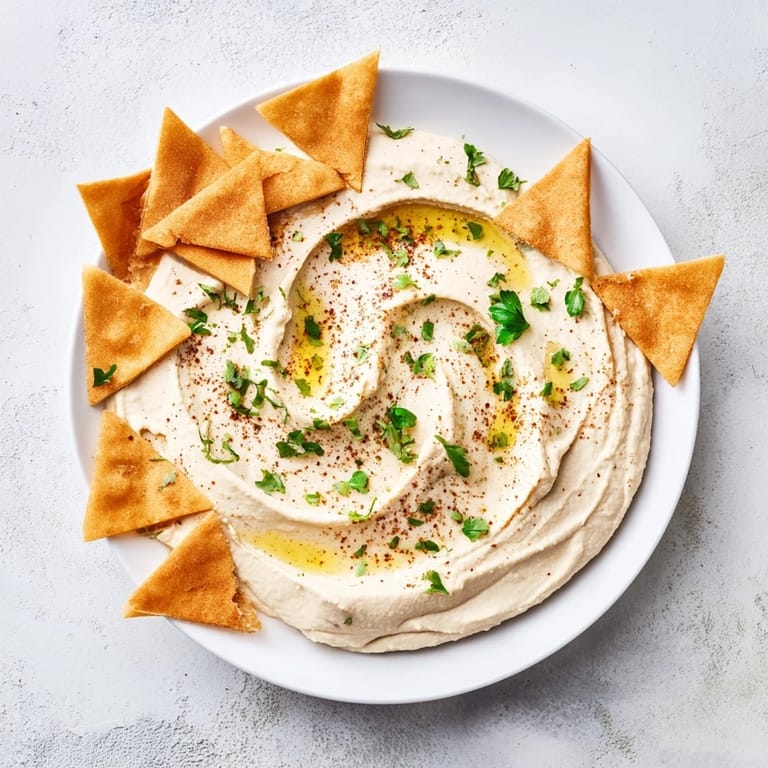
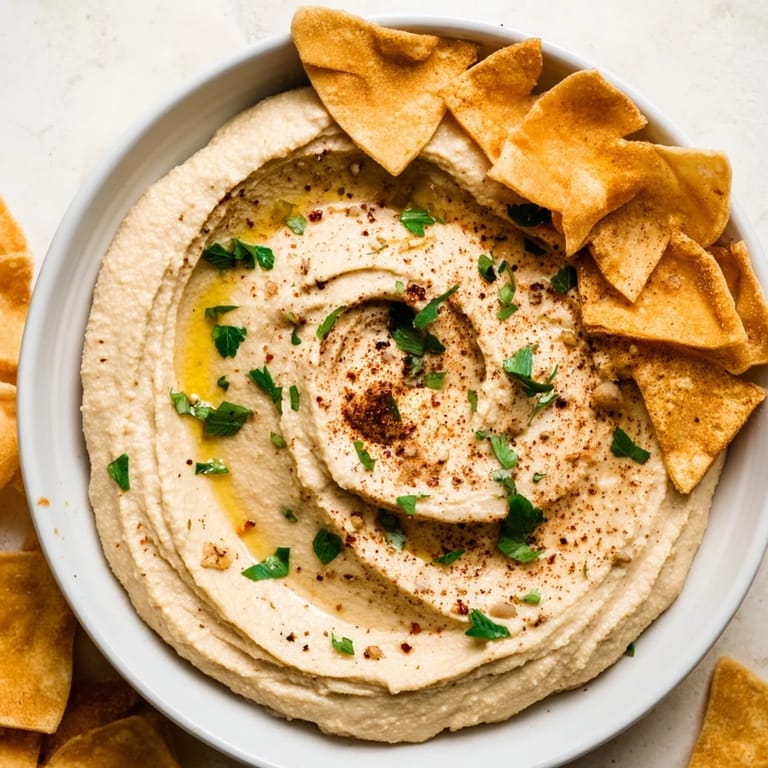
- Using a spoon or offset spatula, shape the hummus into smooth, undulating mounds on your serving platter—imagine you're creating a miniature desert, with peaks and valleys.
- Finish and serve:
- Drizzle your sculpted hummus with a generous pour of olive oil, dust lightly with sumac or sweet paprika, scatter parsley if you like, and arrange your pita chips around the mounds like they're drifting across the landscape.
 Save
Save There was a moment during a recent gathering when a child stared at the platter for a full thirty seconds before asking if it was edible, and that question felt like the highest compliment—because this dish does feel like something between food and art. When everyone stopped talking and reached for it, hummus landing on chips, I realized that sometimes the memory isn't about what you eat but about the small spark of joy before you do.
The Art of Shaping
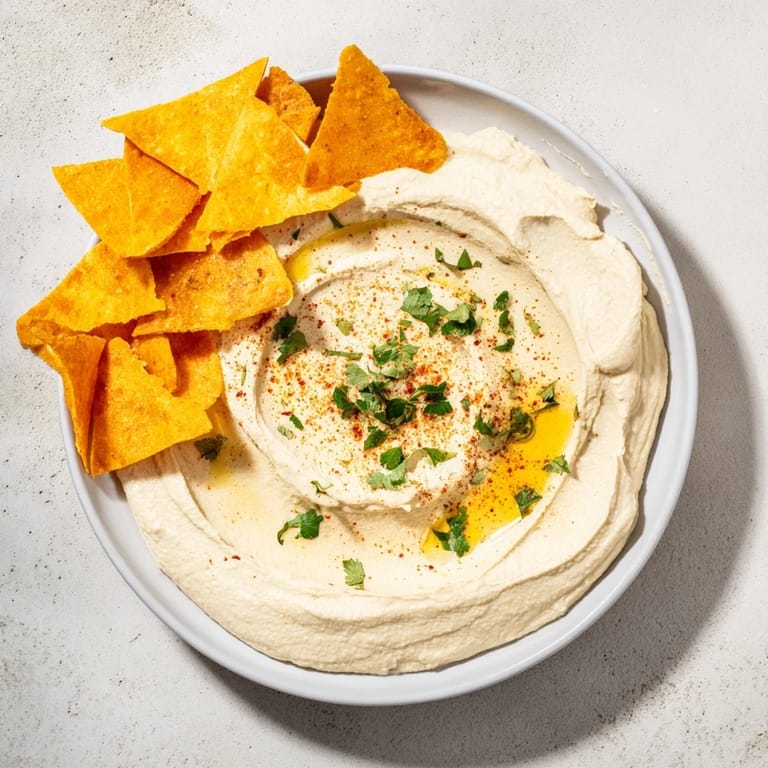
Sculpting hummus taught me something unexpected: precision isn't what makes food beautiful, intention is. Your spoon doesn't need to create perfect dunes; it just needs to show that you cared enough to try. I've noticed that the most stunning platters come from cooks who embrace the quirks—a slightly off-kilter mound actually looks more like a windswept desert than a perfectly smooth one. The hummus is forgiving too; even if you mess up a section, you can smooth it back out and reshape it without consequence.
Pairing and Serving
I've tested this with wine, sparkling water, and strong tea, and each pairing tells a different story. A crisp Sauvignon Blanc does exactly what the recipe suggests—cutting through the richness and making you want another bite. But there's something equally lovely about serving this with cold mint tea on a warm day, or even a small glass of ouzo if you want to lean into the Mediterranean vibe. The beauty of this appetizer is that it adapts to whatever occasion you're creating.
Variations and Swaps
The first time someone asked about gluten-free options, I worried I'd lose the sculptural element, but crispy rice crackers or gluten-free pita actually work beautifully and sometimes look even more dramatic than traditional chips. You can also experiment with the hummus base itself—roasted garlic adds a sweeter depth, a pinch of cayenne brings unexpected heat, and occasionally I've added a tiny amount of smoked paprika directly into the hummus instead of just on top. These small adjustments keep the dish feeling fresh even if you make it several times.
- Try swapping half the chickpeas with white beans for a lighter, creamier texture.
- Roast your garlic ahead of time if you prefer a gentler, sweeter flavor.
- Add a squeeze of pomegranate molasses if you want a subtle tangy note that deepens the desert theme.
 Save
Save This dish reminds me that some of the best food doesn't come from complicated technique but from caring enough to present something with intention. Every time you shape those mounds and arrange those chips, you're doing something kind for whoever gets to eat it.
Recipe FAQ
- → How can I make the hummus extra creamy?
Add cold water gradually while blending until the desired smoothness is reached. A food processor helps achieve a silky texture.
- → What spices give the pita chips their smoky flavor?
Smoked paprika combined with ground cumin and a pinch of sea salt create the warm, smoky taste that complements the chips.
- → Can I substitute pita chips for a gluten-free alternative?
Yes, gluten-free crackers or gluten-free pita can be used to maintain texture while accommodating dietary needs.
- → What garnishes enhance the overall presentation and taste?
Fresh parsley adds a pop of color and brightness, while sumac or sweet paprika dusting provides an aromatic tang and warmth.
- → How long does preparation and cooking take?
Preparation takes about 20 minutes, and baking the pita chips requires an additional 10 minutes, totaling around 30 minutes.