 Save
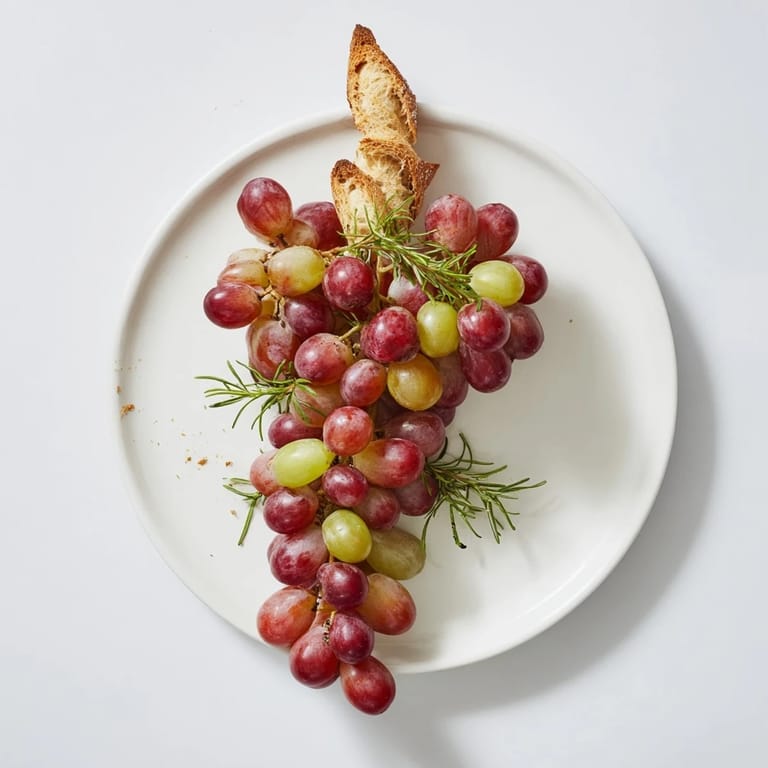
Save I discovered this magnificent grape cluster arrangement at a summer vineyard gathering in Tuscany, where a friend casually arranged fresh grapes from the morning harvest into this breathtaking cascade. It was such a simple gesture, yet everyone at the table paused mid-conversation to admire it before anyone dared to take the first grape. That moment taught me that the most memorable appetizers aren't always about complexity—they're about creating something beautiful enough to make people smile before they even taste it.
Last summer, I served this at a casual dinner party, and what surprised me most wasn't the compliments—it was watching guests reach for grapes they'd normally skip at a regular fruit bowl. The presentation transformed something ordinary into something special, and somehow, the grapes tasted better simply because they looked beautiful together.
Ingredients
- Seedless green grapes (600 g): These are the foundation of your cluster—choose firm ones with a slight waxy bloom, which means they're fresh. The green varieties stay vibrant and have a delicate sweetness that balances perfectly with deeper red grapes.
- Seedless red or black grapes (600 g): These create depth and visual drama in your arrangement. I've learned that mixing varieties keeps your eye moving across the cluster, and the darker ones add richness that pure green would lack.
- Rustic baguette or breadsticks (1 whole or 10–12 sticks): This becomes your grapevine stem, so choose something with character—a crusty exterior and slightly irregular shape looks more natural than something too perfect. The bread should feel substantial enough to anchor the cluster without being overpowering.
- Thin salami sticks (150 g, optional alternative): If you're making this for a charcuterie board or want a non-vegetarian version, thin Italian salami creates an equally striking stem with a salty contrast that guests find addictive.
- Fresh herbs for garnish (thyme, rosemary, or grape leaves): These aren't just decoration—they add an authentic vineyard feel and a subtle aroma that hints at what's to come before anyone even picks a grape.
Tired of Takeout? 🥡
Get 10 meals you can make faster than delivery arrives. Seriously.
One email. No spam. Unsubscribe anytime.
Instructions
- Prepare your canvas:
- Start with a large wooden board or ceramic platter—something that shows off the grapes and has character itself. The contrast between the fruit and the surface is half the magic here. This is where your cluster will come to life.
- Wash and dry with intention:
- Rinse your grapes gently under cool water, then pat them completely dry with a kitchen towel. Wet grapes slip around and won't hold their position; you want them dry enough that they sit exactly where you place them, like little jewels that won't budge.
- Remove stems thoughtfully:
- Gently pull grapes from their stems, but here's the secret I learned: keep small clusters of 3–5 grapes still attached wherever possible. These tiny bunches look more natural and catch light beautifully, breaking up the pattern in a way that feels organic rather than manufactured.
- Build the teardrop shape:
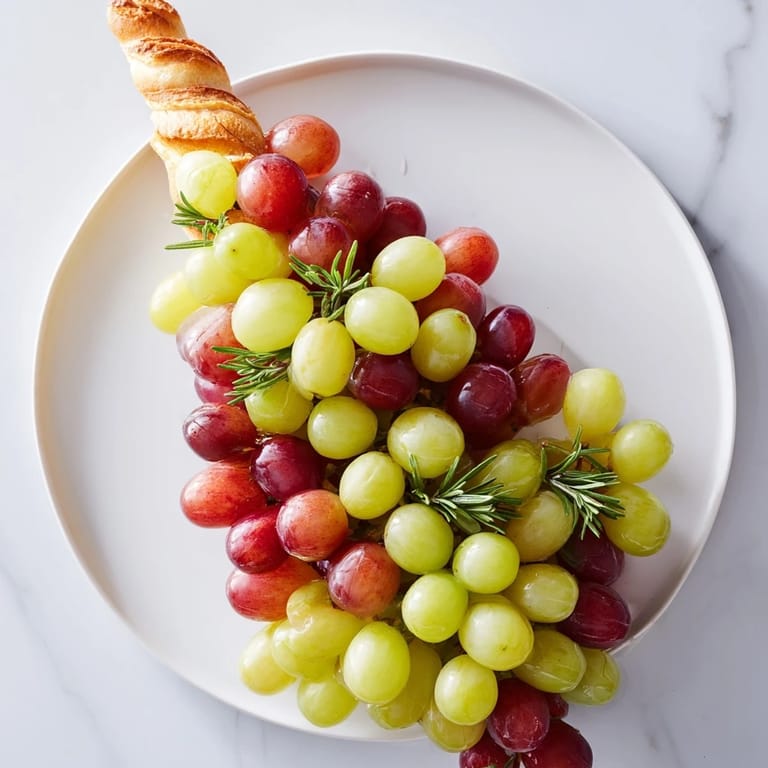
- Imagine an upside-down teardrop or a grapevine cluster pointing downward. Start at the bottom of your board, arranging grapes in a wide, full base. Work your way upward in gentle rows, allowing the arrangement to taper naturally as you rise. This is where patience becomes your best tool—take your time, adjust as you go, and don't be afraid to rearrange.
- Create the stem:
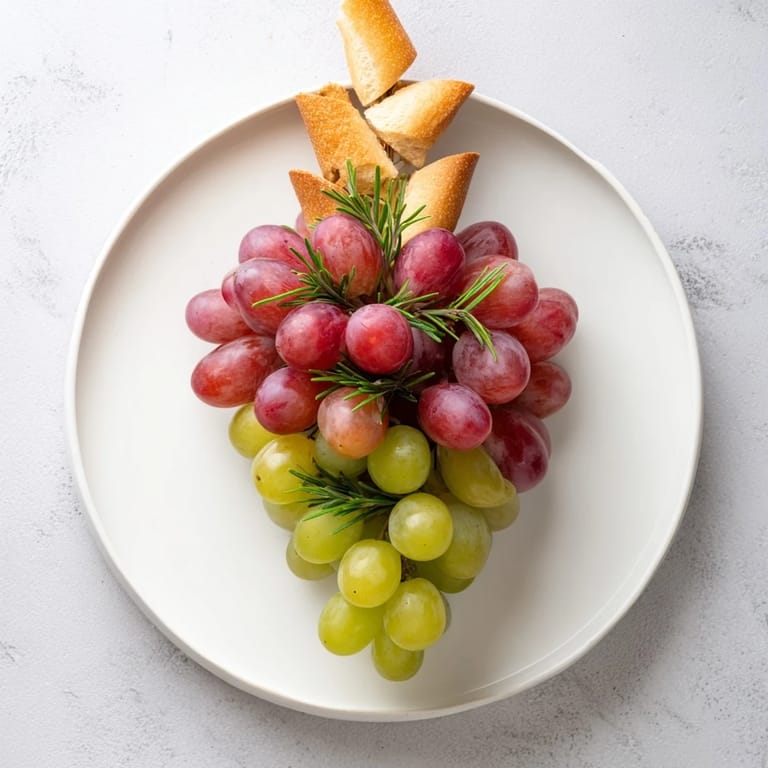
- At the narrow top of your grape cluster, position your baguette (cut at an angle for a natural look) or line up breadsticks and salami sticks vertically. They should feel like a natural extension, not an afterthought. The stem grounds everything and tells the story of where these grapes came from.
- Add the finishing touch:
- Tuck small sprigs of thyme or rosemary around where the cluster meets the stem, or scatter a few grape leaves if you have them. These herbs aren't just pretty—they perfume the platter and add an authentic vineyard touch that makes guests lean in closer.
- Present with confidence:
- Serve immediately while the grapes are cool and at their freshest. Explain to guests that they can simply pull grapes off as they wish, or break pieces of bread and salami to go alongside. The beauty of this arrangement is that it's meant to be eaten, touched, and enjoyed—not just admired.
 Save
Save What struck me most about this arrangement is how it transformed a simple appetizer into a moment of connection. Guests who'd never met before found themselves laughing as they reached for the same grape, and the conversation naturally flowed around this beautiful, edible centerpiece. It became less about what we were eating and more about the joy of sharing something beautiful together.
Styling Your Cluster Like a Pro
The secret to making your grape cluster look genuinely impressive is understanding the power of color placement. I used to randomly mix red and green grapes, but once I started arranging them in subtle alternating rows or sections, the whole thing suddenly looked intentional and gallery-worthy. You don't need to be rigid about it—think of it like painting with fruit. Let your eye guide you, and trust that nature's colors will work together. The slight variations in grape size also help; don't stress about perfect uniformity. Those slightly smaller or larger grapes actually add visual interest and prevent the cluster from looking artificial.
The Bread vs. Salami Decision
This choice changes the whole personality of your platter. A rustic baguette reads as rustic elegance, perfect for wine tastings or sophisticated garden parties. Thin salami, especially Italian varieties, shifts the vibe toward a charcuterie celebration and pairs beautifully if your board includes cheeses and cured meats. I've done both for different occasions, and honestly, the one I choose depends entirely on what else is on my table. If it's a vegetarian gathering, the bread is obvious. But when I'm building a proper charcuterie spread, the salami stem feels more cohesive and lets guests graze seamlessly from stem to grape to cheese to salami without jarring visual breaks.
Making It Your Own
While this recipe is beautiful as-is, I've learned that the best entertaining happens when you make things your own. Once you understand the basic structure, feel free to experiment. I've scattered cubes of creamy burrata cheese among the grapes for richness, added toasted nuts for crunch, or even tucked small edible flowers between the grapes when I had them on hand. For a Mediterranean twist, I sometimes add small fresh figs or apricots in strategic spots. The base structure—the cascading grapes and the stem—remains your anchor, but everything else is your playground. One final thought to remember: make sure any additions you tuck in are things you'd actually want to eat, because guests will definitely try them.
- For a gluten-free version, use certified gluten-free breadsticks, or skip the bread entirely and extend the salami stem.
- If you're making this more than 2 hours ahead, keep it in a cool room away from direct sunlight so colors stay vibrant.
- Pair it with crisp white wine, sparkling rosé, or even light champagne—the acidity cuts through the sweetness of the grapes perfectly.
 Save
Save This arrangement reminds me why I love cooking for people—sometimes the most meaningful moments come not from complicated recipes, but from taking time to present something simple with care and intention. Every time you arrange this cluster, you're creating something unique that will be remembered long after the last grape is gone.
Recipe FAQ
- → How do I assemble the grape cluster?
Detach grapes in small clusters and arrange them tightly in a teardrop shape on a large board or platter, tapering upwards for a natural look.
- → What can I use to create the stem?
Use a whole rustic baguette, breadsticks, or thin salami sticks lined up to resemble the stem of a grapevine.
- → Can I make a gluten-free version?
Yes, replace the bread stem with gluten-free breadsticks or use only salami sticks for a gluten-free option.
- → How do I keep grapes from rolling off the stem?
Arrange grape clusters in small groups of 3–5 grapes, leaving them partially attached to retain stability and a natural appearance.
- → What garnishes complement this appetizer?
Fresh herbs such as thyme, rosemary, or grape leaves add aroma and enhance the visual appeal around the grape cluster and stem.
- → What pairs well with this grape centerpiece?
Serve alongside crisp white wines or sparkling rosé for an elegant flavor combination.