 Save
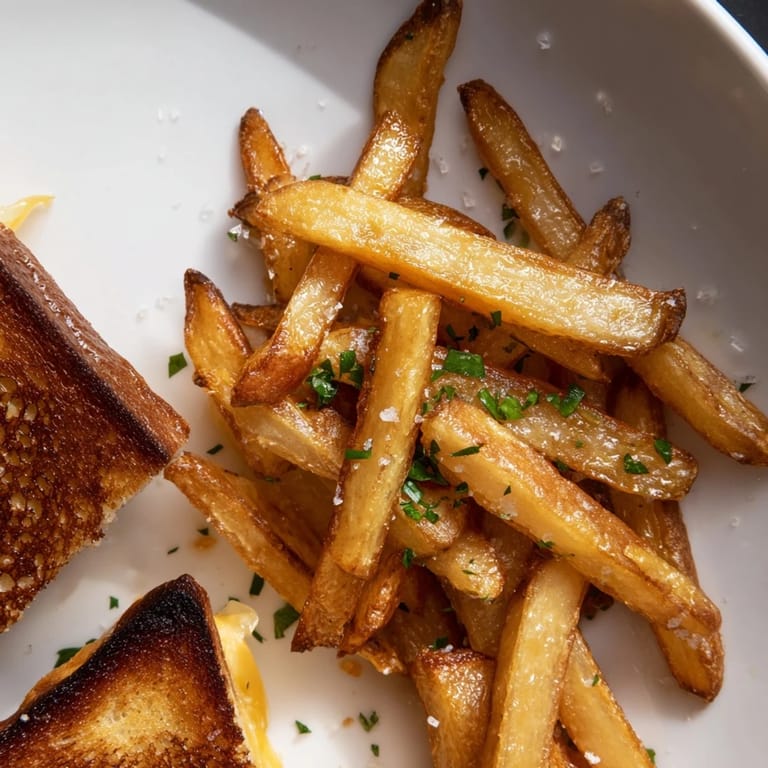
Save There's something about the smell of beef tallow hitting hot oil that stops you in your tracks—it's rich, almost medieval, the kind of aroma that makes you understand why this is how fries tasted before everything changed. I stumbled into making beef tallow fries by accident, really, when a friend mentioned their grandfather used to deep fry everything in rendered fat from the butcher shop. One weekend I decided to try it, and the moment those golden sticks came out of the oil, crackling and perfect, I knew I'd found something special. Paired with a grilled cheese that's equally no-nonsense—just good bread, good cheese, good butter—this became the meal I make when I want to feel like I'm doing something right in the kitchen. It's comfort food that doesn't apologize for itself.
I made this for my roommate on a random Tuesday night when she came home stressed from work, and I watched her face change the moment she bit into that first fry—the kind of genuine smile that comes from tasting something that's exactly what your body needed. We sat on the kitchen counter with napkins everywhere, not talking much, just eating and being present with something warm and salty and deeply satisfying. That's when I realized this wasn't just food; it was a small act of care that happened to involve a skillet and some good cheese.
Ingredients
- Russet potatoes: Choose larger ones so you get longer fries, and peel them just before soaking—the flesh oxidizes quickly and you want it as white as possible to know your starch removal worked.
- Beef tallow: This is the whole point—rendered beef fat is what gives these fries their color and flavor that vegetable oil can't match, though finding good tallow takes a trip to a proper butcher or online order.
- Kosher salt: Season while the fries are still hot so it sticks, and don't skip the coarse salt because it actually adheres differently than fine salt.
- Sourdough bread: It's sturdy enough to hold the cheese and butter without falling apart, plus the slight tang plays beautifully against sharp cheddar.
- Sharp cheddar cheese: Don't use mild—you need the bite and the melting behavior that comes with age, though Gruyère mixed in is a revelation if you have it.
- Unsalted butter: This matters because you're controlling the salt, and room-temperature butter spreads like a dream without tearing delicate bread.
- Mayonnaise: A tablespoon mixed into the butter creates a crispier, more golden exterior through chemistry—it's optional but worth the extra minute of prep.
Tired of Takeout? 🥡
Get 10 meals you can make faster than delivery arrives. Seriously.
One email. No spam. Unsubscribe anytime.
Instructions
- Soak your potatoes like you mean it:
- Cut those russets into quarter-inch sticks and get them into cold water for thirty minutes minimum—you're leaching out starch, and the longer they sit, the crispier they'll get. Pat them completely dry with paper towels because any moisture is the enemy of crispiness, and be thorough about it; I learned this the hard way when I rushed and ended up with soggy fries.
- First fry at lower heat:
- Heat your tallow to 325°F and work in batches so you don't crowd the pot—fry for about four to five minutes until the potatoes are tender but still pale. This first fry cooks the inside, and you'll see them soften but not color, which is exactly right.
- Raise the heat and crisp them down:
- Bump the temperature up to 375°F and fry again for two to three minutes until they're golden and crackling—you'll hear the difference, actually, a sharper sizzle that means the outside is crisping up beautifully. Drain on fresh paper towels and season immediately with salt and pepper while they're still hot and porous enough to absorb the flavor.
- Build your sandwich with intention:
- Spread softened butter on one side of each bread slice, and if you're using mayo, mix it with the butter for an extra-golden crust. Layer your cheese between two slices with butter-side out, like you're creating a protective barrier that's going to turn golden.
- Cook low and slow on the griddle:
- Medium heat is your friend here—you want those three to four minutes per side to let the cheese fully melt and the bread turn into that shatteringly crisp, deep-golden exterior. Use a spatula to press gently, not aggressively, and listen for the quiet sizzle that tells you the butter is browning, not burning.
- Plate and eat right now:
- The moment these come off the heat, fries and sandwich together, nothing keeps them warm like proximity and honesty. Serve with ketchup or aioli or whatever speaks to you, but don't wait.
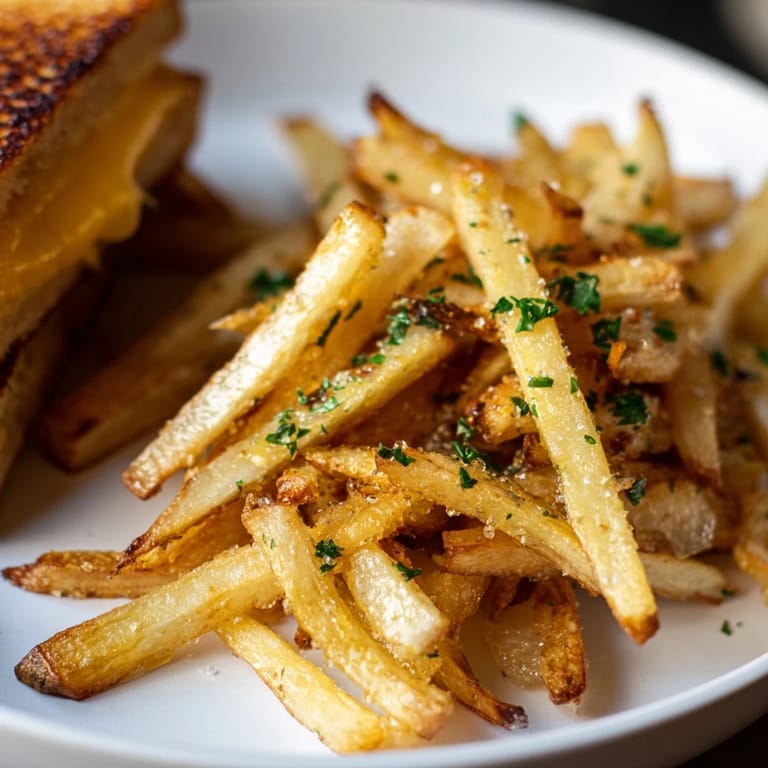 Save
Save My cousin came over and brought his kids, and I made this meal thinking it would be simple enough that maybe they'd eat it without complaint. Instead, I watched a seven-year-old carefully balance a fry and a bite of grilled cheese on his fork like he was discovering the relationship between salt and richness for the first time, which I guess he was. When he asked for seconds with actual genuine excitement, I understood that sometimes the best meals aren't complicated—they're just honest.
The Double-Fry Method Explained
The reason this works is pure physics: the first fry at lower temperature cooks the potato all the way through without browning the outside, which takes time and gentleness. When you pull them out and let them cool for a moment, you're not just draining them—you're letting the outside moisture evaporate so that when they hit the hotter oil the second time, they shatter immediately into crispiness. I used to think one fry was enough until I had Belgian fries made this way at a street market, and it completely changed my understanding of what fried potatoes could be. The moisture difference between one fry and two fries isn't subtle; it's the difference between good and transcendent.
Why Beef Tallow Changes Everything
Beef tallow has a higher smoke point than butter but cooks at a lower temperature than many oils, which means it fries things beautifully without burning. More importantly, it tastes like beef—rich and savory and vaguely nostalgic in a way that makes you understand why this is how people cooked before vegetable oil became ubiquitous. The rendered fat picks up flavors from the meat it came from, and if you source it from a good butcher, you're getting something with character and depth. Finding tallow takes a phone call or an online order, but once you've tasted fries made in it, you'll understand why restaurant fries rarely compare—most places stopped using it decades ago.
Building the Perfect Grilled Cheese
A grilled cheese is a study in heat control and timing, and the moment you understand that, it becomes nearly impossible to mess up.
- Room-temperature butter spreads without tearing bread, and mixing in a little mayo creates an emulsion that turns extra-golden without burning.
- Medium heat gives you time to melt the cheese before the bread burns, and you're listening for that quiet sizzle that means browning is happening.
- Sharp cheddar matters because it melts differently than mild—it gets creamy and flows instead of turning waxy, which is why the final sandwich feels luxurious instead of plasticky.
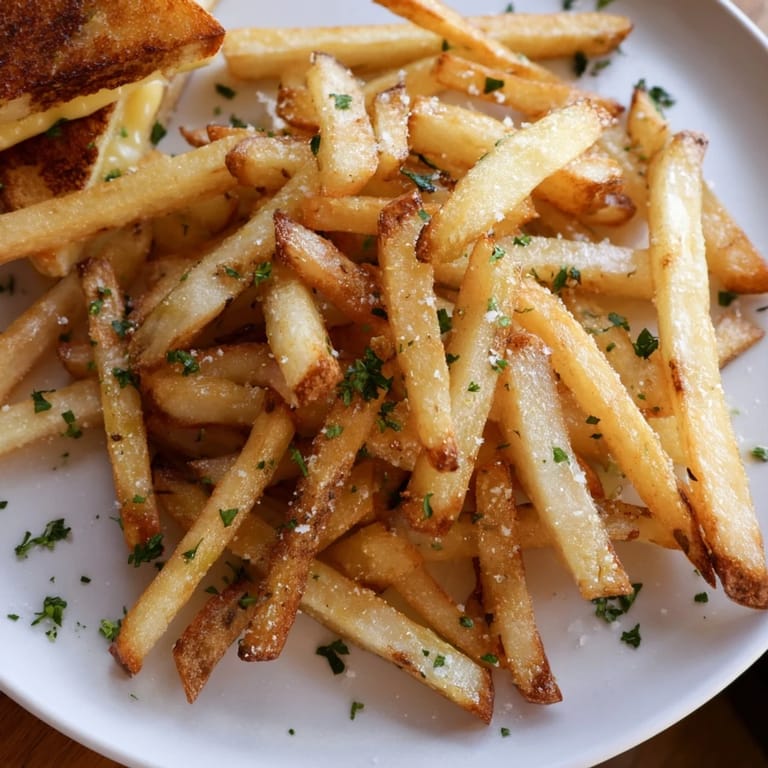 Save
Save This meal is proof that sometimes the most comforting food comes from understanding a few basic techniques and refusing to cut corners on ingredients. Make it for someone you care about, or make it for yourself on a day when you deserve something that tastes like care.
Recipe FAQ
- → Why is beef tallow used for frying the fries?
Beef tallow imparts a rich, savory flavor and helps achieve an ultra-crispy texture that regular oils may not provide.
- → How do you get the fries extra crispy?
Soaking potatoes in cold water removes excess starch, and double frying—first at a lower temperature, then higher—ensures a crispy outside and tender inside.
- → Can other cheeses be used instead of cheddar?
Yes, mixing in cheeses like Gruyère or mozzarella adds different flavors and meltiness to enhance the sandwich.
- → What is the best way to cook the grilled cheese for even browning?
Use medium heat and press gently with a spatula while cooking for 3-4 minutes per side to achieve golden crust and fully melted cheese.
- → Are there vegetarian alternatives for frying the fries?
Yes, using vegetable oil in place of beef tallow allows for a vegetarian-friendly option without sacrificing crispness.