 Save
Save One weeknight, my partner mentioned feeling hungrier than usual after our regular mac and cheese dinner. I started thinking about ways to boost the protein without adding chicken or making it complicated. That's when I remembered cottage cheese sitting in the fridge—something I'd bought for smoothies but never used. I blended it with a splash of milk, and the transformation was instant: a sauce so creamy and rich that nobody would guess the secret ingredient. It's become our go-to comfort food ever since.
I made this for a friend who was nervous about trying a cottage cheese base, convinced it would taste tangy or grainy. Watching them take that first bite and then immediately ask for seconds—while admitting they expected to hate it—was worth every moment of prep. Now whenever they visit, it's the only thing they want for dinner.
Ingredients
- Elbow macaroni, 300 g: The classic choice, but any short pasta works; I've used shells and loved the sauce pooling in the curves.
- Low-fat cottage cheese, 400 g: The magic ingredient—buy it a day or two before if you can, as fresher ones blend more smoothly.
- Milk, 120 ml: Dairy or plant-based both work; I reach for unsweetened oat when I'm out of regular milk and it's genuinely delicious.
- Sharp cheddar cheese, 120 g shredded: Don't buy pre-shredded if you can help it; block cheese melts so much more evenly and tastes sharper.
- Parmesan cheese, 25 g grated: This adds a salty bite that keeps the dish from tasting one-dimensional; freshly grated makes a noticeable difference.
- Cream cheese, 2 tbsp: A small amount smooths everything out and adds richness without heaviness; cold cream cheese can be hard to blend, so let it sit at room temperature first.
- Garlic powder, ½ tsp: Measured carefully—too much overpowers; I've learned this the hard way.
- Onion powder, ½ tsp: Works with the garlic to create depth without any raw bite.
- Ground black pepper, ½ tsp: Freshly ground tastes miles better than pre-ground, but use what you have.
- Smoked paprika, ¼ tsp: Optional but worth it—adds a subtle warmth that makes people wonder what your secret is.
Tired of Takeout? 🥡
Get 10 meals you can make faster than delivery arrives. Seriously.
One email. No spam. Unsubscribe anytime.
Instructions
- Boil the pasta:
- Fill a large pot with water, add salt so it tastes like the sea, and bring it to a rolling boil. Add the macaroni and cook until just tender but still with a tiny bit of resistance when you bite into it—this matters because the pasta will finish cooking slightly in the warm sauce. Drain it through a colander and set it aside.
- Blend the sauce base:
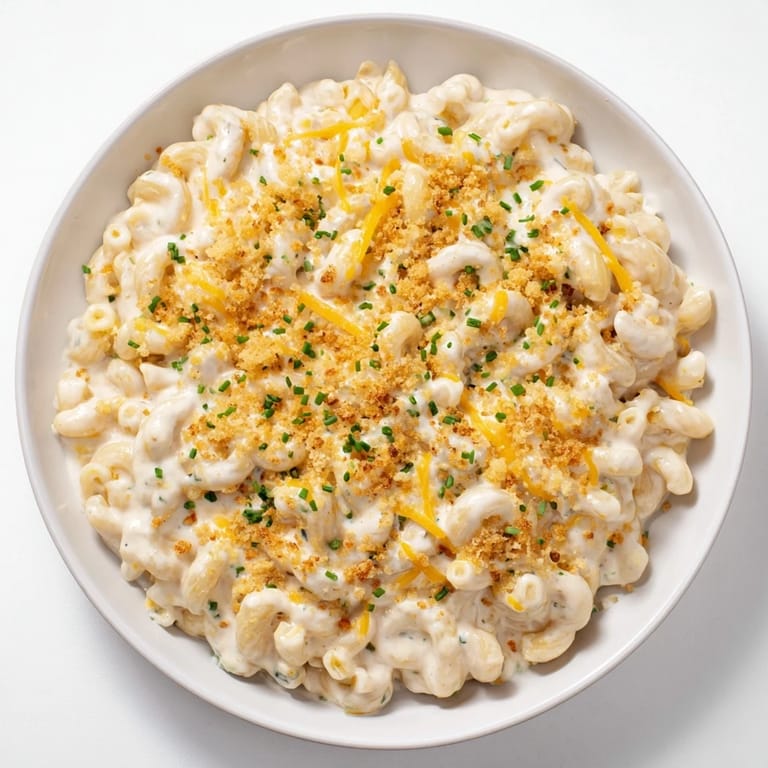
- While the pasta cooks, add the cottage cheese, milk, cream cheese, garlic powder, onion powder, black pepper, smoked paprika, and a pinch of salt to a blender or food processor. Blend it on medium speed, stopping to scrape down the sides, until the mixture is completely smooth and creamy—it should look like thick pourable frosting, not cottage cheese.
- Melt the cheeses:
- Pour the blended sauce into a large saucepan over medium-low heat and stir constantly. Add the shredded cheddar and Parmesan, stirring gently until they disappear into the sauce, about 2–3 minutes. Keep the heat low and patient here; if you rush it with high heat, the cheese will separate and get grainy instead of silky.
- Combine and taste:
- Add the drained pasta to the cheese sauce and toss everything together until every noodle is coated. Taste it now and add more salt, pepper, or paprika if you like; the seasoning should feel warm and welcoming, not bland and not aggressive.
- Plate and garnish:
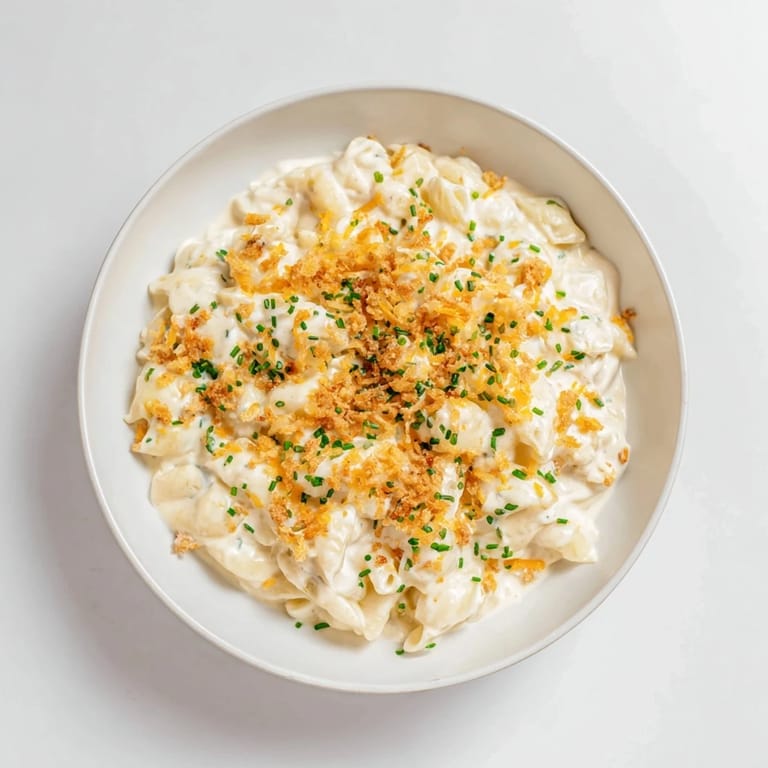
- Scoop the mac and cheese into bowls while it's still warm. Sprinkle fresh chives or parsley on top for brightness, and if you have toasted breadcrumbs, scatter them on there too for a little crunch that makes each bite interesting.
 Save
Save This dish reminds me that comfort food doesn't have to come with the weight of cream and butter. There's something genuinely satisfying about serving something this rich and indulgent to people you care about, knowing it's also nourishing them in a real way. That's when food feels like love.
Why Cottage Cheese Is the Secret Weapon
Cottage cheese gets a bad reputation—people think of it as a diet food, something bland to eat straight from the container. But when it's blended smooth and mixed with real cheese, it becomes the most elegant shortcut in the kitchen. It adds creaminess that rivals heavy cream but with far fewer calories, and the protein makes the dish stick with you instead of leaving you hungry an hour later. I've served this to people who are suspicious of cottage cheese, and every single one has been surprised by how luxurious it tastes.
The Art of the Perfect Pasta Bite
The moment your fork hits the bowl, you want the noodle to be tender enough to cut with a gentle bite but textured enough to hold the sauce without falling apart. This is why cooking to package directions but stopping just before you think it's done matters so much—the residual heat in the drained pasta, plus the warmth of the sauce, will finish the cooking. I learned this after years of making gummy mac and cheese, and now I always do a trial bite before draining.
Customizations That Actually Work
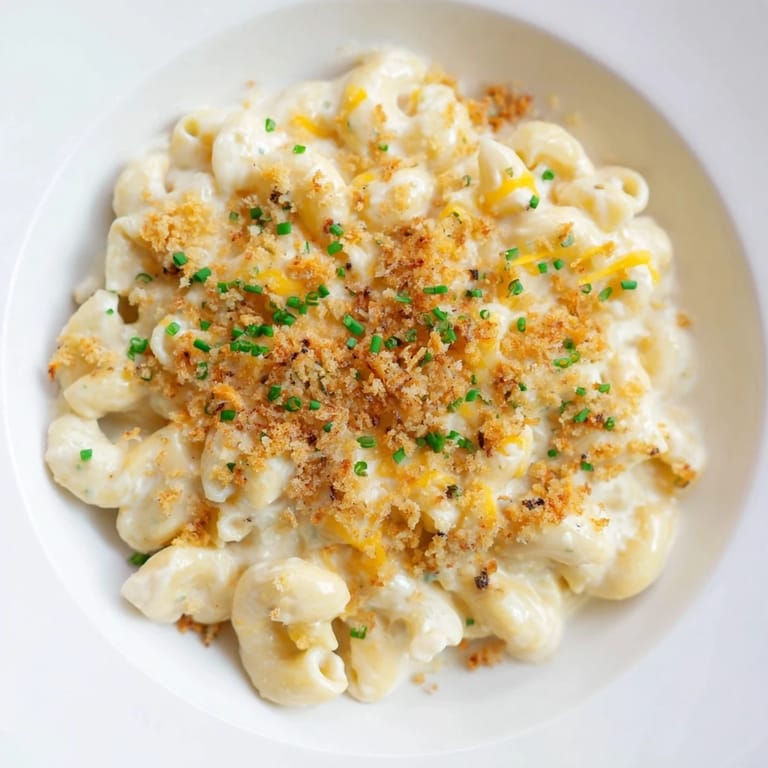
This recipe is forgiving enough to adapt without losing its character. I've stirred in roasted broccoli when I wanted vegetables, added crispy bacon because why not, mixed in frozen peas for color, and swapped the cheddar for Gruyère when I was feeling fancy—every version tastes like the best version of itself.
- For extra protein without changing the flavor, add shredded rotisserie chicken or stir in a handful of toasted breadcrumbs before serving.
- If you want more umami depth, replace half the cheddar with sharp Gruyère or aged Gouda.
- Keep this vegetarian or gluten-free by checking your pasta label—certified options taste just as good as the originals.
 Save
Save This mac and cheese proves that the best recipes don't come from chasing trends or exotic ingredients—they come from paying attention to what's already in your fridge and asking what it could become. Make it for people you want to feed well.
Recipe FAQ
- → What kind of pasta works best?
Short pasta shapes like elbow macaroni are ideal as they hold the creamy sauce well, but any small pasta can work.
- → Can I use plant-based milk?
Yes, unsweetened plant-based milk works fine to keep the sauce creamy while accommodating dietary preferences.
- → How do I make the sauce smooth?
Blending cottage cheese, cream cheese, milk, and spices until fully smooth ensures a rich and creamy sauce texture.
- → Is it possible to add protein?
Adding cooked chicken or peas can boost protein content without altering the creamy consistency.
- → How to make it gluten-free?
Simply use certified gluten-free pasta to maintain texture and flavor without gluten.