 Save
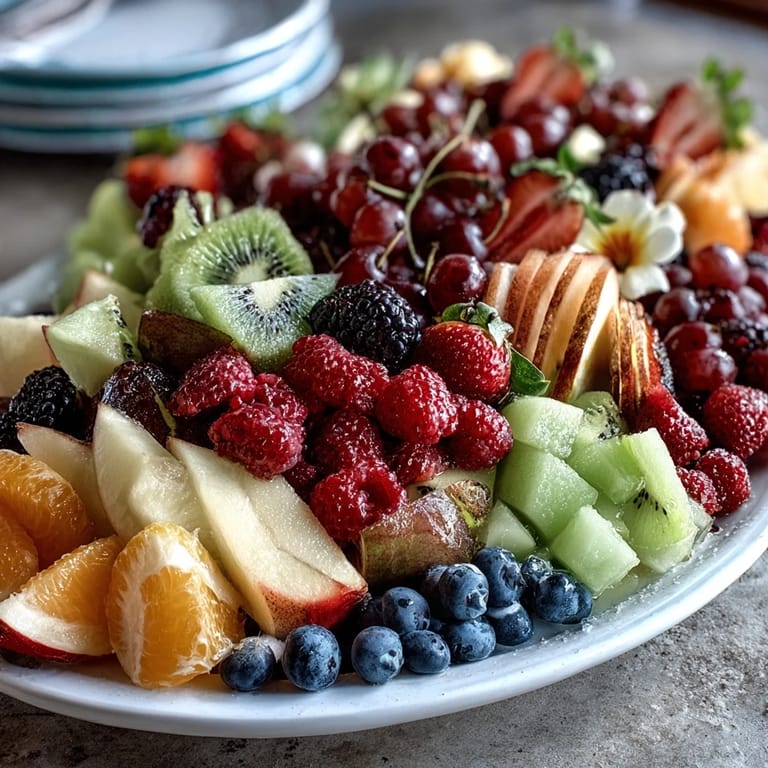
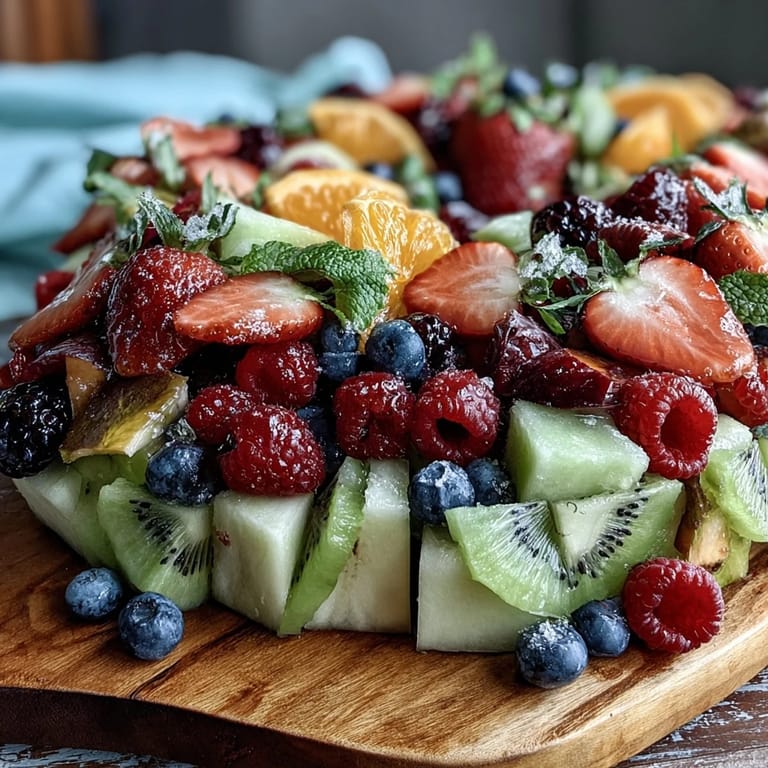
Save My cousin texted me three weeks before her graduation asking if I could help with the reception, and somehow I volunteered to design the fruit display without really thinking it through. Standing in the produce section at 6 AM on the morning of the party, surrounded by towers of fruit and holding my phone up to compare colors, I realized this could either be beautifully stunning or a chaotic mess. It turned out to be one of those rare kitchen moments where everything came together not because I followed a perfect plan, but because I let the fruits themselves guide the arrangement, and the edible flowers transformed the whole thing into something that felt less like food and more like edible art.
Watching my aunt's face light up when she saw the finished table was worth every moment of prep work. She kept circling around it, pointing out which flowers she recognized and commenting on how the reds and yellows seemed to glow under the afternoon light streaming through the windows. By the end of the party, there was barely a berry left, and I overheard someone asking my cousin for the recipe, which made me laugh because there really isn't one—just fruit, flowers, and a willingness to play with color and arrangement.
Ingredients
- Seedless green grapes: These stay firm and provide a bright, crisp contrast against deeper reds; buy them a day or two ahead so they have time to chill properly in the fridge.
- Seedless red or black grapes: The jewel tones of these beauties create visual drama, and they're one of the few fruits that actually improve when they're very cold.
- Strawberries: Halve them just before arranging to keep the cuts looking fresh and appealing, and choose berries that are fragrant—that smell tells you they'll actually taste good.
- Pineapple: Cut into bite-sized pieces and remove that tough core; the golden color creates natural warmth in the display.
- Watermelon: A melon baller creates perfect spheres and removes those annoying seeds in one motion, or cut into wedges for a more casual look.
- Cantaloupe: The pale orange is essential for balance; choose one that smells sweet at the stem end.
- Blueberries: Pat these completely dry or they'll roll everywhere; they're tiny jewels that fill gaps and add sophistication.
- Raspberries: Handle these gently and add them last, as they bruise easily and can stain other fruits if they sit too long.
- Kiwis: The green interior creates unexpected pops of color, and slicing them at the last minute keeps them from oxidizing.
- Oranges: Segment them carefully by cutting away all the white pith; these add brightness and a citrusy scent.
- Edible flowers: This is the non-negotiable element—only use certified food-grade flowers that you know are pesticide-free, as regular florist flowers are treated with chemicals.
- Fresh mint leaves: Tuck these between fruit clusters to add green touches and a hint of herbaceous freshness.
- Lemon slices: These add color and protect cut fruit from browning slightly.
Tired of Takeout? 🥡
Get 10 meals you can make faster than delivery arrives. Seriously.
One email. No spam. Unsubscribe anytime.
Instructions
- Wash and dry everything:
- Run all your fruits and edible flowers under cool water, then pat them completely dry with paper towels—any lingering moisture will make them wilt faster and create a wet appearance on the table.
- Prep your fruits:
- Cut larger fruits into uniform, bite-sized pieces; strawberries should be halved, kiwis sliced into thin coins, and use a melon baller on the cantaloupe and watermelon for elegant uniformity. Work through these cuts efficiently so everything stays cold and fresh.
- Choose your surface:
- A large wooden board, marble slab, or clean white tablecloth all work beautifully; just make sure your surface is completely clean and, if it's a table you'll be serving from, level so nothing rolls.
- Build the foundation:
- Start arranging heavier fruits first—grapes and melon balls form the base structure. Work in overlapping clusters rather than isolated piles, creating a sense of abundance and flow.
- Layer in the colors:
- Add strawberries, pineapple, blueberries, and oranges in between, thinking about color balance as you go; no single color should dominate one area, and the arrangement should draw the eye around the table naturally.
- Tuck in the flowers:
- This is where the magic happens—gently press pansies, violas, and nasturtiums into the gaps between fruits, filling spaces with color and elegance. Step back frequently to see the overall effect.
- Add the finishing touches:
- Scatter mint leaves throughout and add lemon slices if using them, then chill the entire display until serving time.
 Save
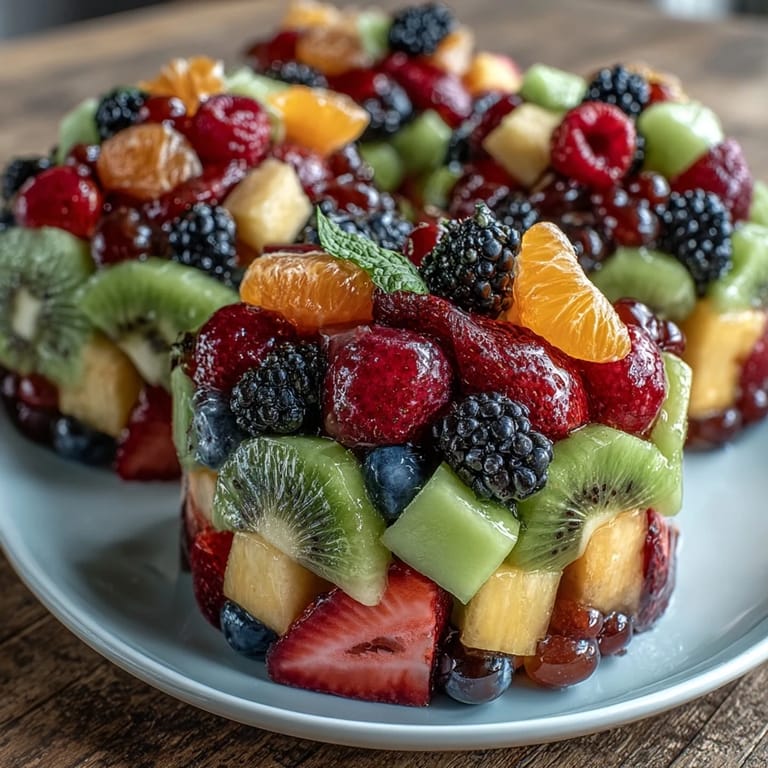
Save There's something unexpectedly emotional about creating a fruit display for a celebration like a graduation. As I stood back and looked at the finished table, I realized it wasn't just about feeding people—it was about marking a moment, creating something beautiful that said we're celebrating you, and you deserve something special. The way guests naturally gathered around it, selecting what they wanted and commenting on the colors and flavors, turned a simple fruit arrangement into the heart of the party.
Seasonal Variations That Keep This Fresh
The beauty of this display is that it adapts to whatever's in season and available in your area. In summer, I pile on extra watermelon and fresh berries; come fall, I add sliced pears and grapes in burgundy shades; in winter, pomegranate arils and clementines create that jeweled effect without exhausting your fruit budget. The framework stays the same—you're just responding to what the market offers and what looks vibrant on any given day.
The Secret to Edible Flowers Done Right
Finding the right edible flowers was actually harder than arranging the fruit, because I learned the hard way that not everything labeled beautiful is actually safe to eat. Farmers markets and specialty grocers are your best bet; call ahead and ask if they have food-grade edible flowers, specify that you need them for a celebration, and they'll direct you to the right supplier. Pansies and violas are almost always available year-round, nasturtiums bring peppery notes, borage flowers taste surprisingly floral, and marigolds add golden warmth—but the key is knowing exactly where they came from and that they've never been sprayed with anything.
Making It Work for Your Timeline and Space
The reason this recipe works so well for celebrations is that you can do most of the prep work the day before—wash and cut all your fruits, store them in airtight containers, and keep them chilled overnight. On the day of your event, you're just assembling pieces rather than starting from scratch, which means you have mental bandwidth to handle last-minute details and actually enjoy the party instead of being stuck in the kitchen.
- If you're worried about space, a tiered fruit display on a stand or cake server creates height and visual interest while using less table real estate.
- For a smaller gathering, these same fruits work beautifully arranged on a large wooden cutting board that guests can actually carry around.
- Keep backup fruit in the fridge so you can refresh the display if certain items sell out quickly.
 Save
Save This fruit table became my go-to move for any celebration that deserves something special, because it proves that the most memorable dishes aren't always complicated—they're just thoughtfully put together with care. Every time someone tells me they made their own fruit display and loved how it turned out, I know they've discovered what I did that graduation morning: that feeding people beautifully is less about following rules and more about trusting your eye and enjoying the process.