 Save
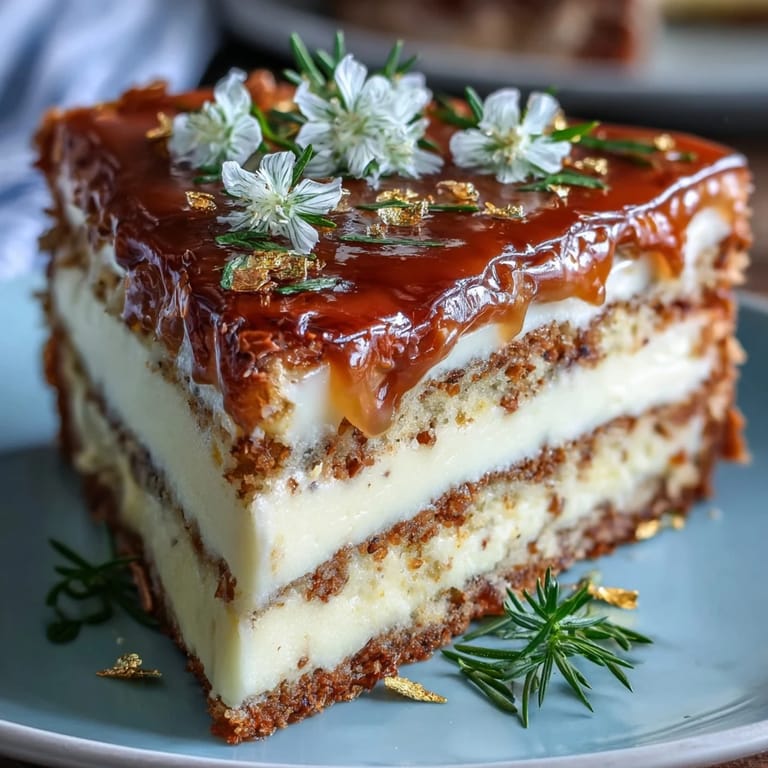
Save My cousin texted me three weeks before her graduation asking if I could make her cake, and honestly, I panicked for about five seconds before remembering a wedding I'd attended where the dessert table featured this stunning vanilla creation dusted with gold leaf and fresh flowers. It was the kind of cake that made people pause mid-conversation just to admire it. I knew right then that this was the one she needed, and I spent the next few days testing layers and practicing my gold-leaf application technique in my kitchen, getting tiny metallic flakes everywhere.
What stuck with me most wasn't the cake itself, but watching my cousin's face when she saw it on the table at her celebration dinner. Her dad actually got emotional, which neither of us anticipated, and suddenly this wasn't just dessert anymore—it was the edible representation of years of work and achievement. Three people asked me for the recipe that night, which felt like the highest compliment I could have received.
Ingredients
- All-purpose flour: The foundation of a tender, delicate crumb; make sure it's fresh and aerated by sifting or whisking it before measuring.
- Baking powder: Room-temperature eggs will incorporate more air when beaten with the butter and sugar, and baking powder ensures an even rise throughout each layer.
- Unsalted butter: Use butter that's been sitting on the counter for at least an hour so it creams properly with sugar, creating that light and fluffy texture that makes the cake memorable.
- Granulated sugar: This dissolves completely during creaming, but make sure you're patient with this step because rushing it leads to a dense cake.
- Eggs: Cold eggs won't incorporate smoothly into the batter, so pull them from the fridge about 30 minutes before you start mixing.
- Vanilla extract: Real vanilla makes a noticeable difference in the depth of flavor, especially when the cake has minimal other flavorings competing for attention.
- Whole milk: The fat content in whole milk creates a more tender crumb than lower-fat options, and it helps balance the richness of the butter.
- Egg whites: These need to be completely free of any yolk, even a speck, or your meringue won't reach those beautiful stiff peaks.
- Edible flowers: Source these from specialty grocers or online suppliers that guarantee they're grown without pesticides and are food-safe for consumption.
- Edible gold leaf: It sounds precious because it is, but a little goes a long way and transforms the entire presentation into something that feels luxury-level.
Tired of Takeout? 🥡
Get 10 meals you can make faster than delivery arrives. Seriously.
One email. No spam. Unsubscribe anytime.
Instructions
- Prepare your pans:
- Grease those three 8-inch round pans with butter, then line the bottoms with parchment paper. This double layer of protection means your cake layers will release cleanly without sticking or cracking, which becomes especially important when you're stacking and frosting.
- Mix your dry ingredients:
- Whisk the flour, baking powder, and salt together in a medium bowl and set it aside. This ensures your leavening is evenly distributed throughout the batter so you get a consistent rise in all three layers.
- Cream butter and sugar:
- In a large mixing bowl, beat the room-temperature butter and sugar together for about 3 minutes until the mixture is visibly lighter in color and fluffy to the touch. This is where your cake gets its tender crumb, so don't skip this step or rush it.
- Incorporate eggs one by one:
- Add each egg individually, beating well after each addition before moving to the next one. If you dump them all in at once, your batter might break or look curdled, and while it'll still bake, the texture won't be quite as refined.
- Add vanilla and alternate wet and dry:
- Pour in the vanilla extract, then begin alternating between your flour mixture and milk, starting with flour and ending with flour. Mix gently after each addition—overworking the batter at this point develops too much gluten and makes the cake tough.
- Divide and smooth:
- Split the batter evenly among your three prepared pans and smooth the tops gently with an offset spatula. Even distribution matters because uneven layers bake at different rates and create structural issues when stacking.
- Bake until golden:
- Slide the pans into a preheated 350°F oven and bake for 28 to 32 minutes, checking with a toothpick around the 28-minute mark. When the toothpick comes out clean with just a few moist crumbs clinging to it, you're done; a few extra minutes and the cake starts to dry out.
- Cool with patience:
- Let the cakes cool in their pans for 10 minutes—this allows them to set slightly so they don't collapse when you turn them out—then turn them onto wire racks. Let them cool completely at room temperature before moving forward with the buttercream assembly.
- Create the meringue:
- Whisk egg whites and sugar together in a heatproof bowl suspended over simmering water, stirring constantly until the sugar dissolves and the mixture reaches 160°F. This pasteurizes the eggs and creates the foundation for a silky, stable buttercream that won't break or weep.
- Whip to stiff peaks:
- Transfer the warm mixture to a stand mixer and beat on high speed for 8 to 10 minutes until stiff peaks form and the bowl cools to room temperature. You'll know it's ready when you lift the whisk and the peaks stand straight up without drooping.
- Add butter gradually:
- Reduce the mixer speed to medium and add cubed butter a few pieces at a time, waiting for each addition to incorporate before adding more. This can look scary because the meringue might break for a moment, but keep mixing and it'll come together into the silkiest frosting you've ever worked with.
- Finish with vanilla and salt:
- Once all the butter is incorporated, add vanilla extract and a pinch of salt, which enhances the vanilla flavor without making the buttercream taste salty.
- Assemble your layers:
- Place the first cake layer on your serving plate, spread with a generous dollop of buttercream, then stack the second layer and repeat. Once all three layers are stacked, apply a thin crumb coat, chill for 20 minutes so it sets, then apply a final smooth layer that makes the cake look bakery-quality.
- Apply gold leaf with precision:
- Using a food-safe paintbrush, carefully place edible gold leaf onto sections of your frosted cake. Work gently because gold leaf is delicate and tears easily, but even imperfect application looks intentional and elegant.
- Arrange flowers as the final touch:
- Position your edible flowers around the top and sides of the cake, creating a balanced arrangement that feels organic rather than overly structured. If using a gold ribbon, tie it around the base to frame the entire creation.
 Save
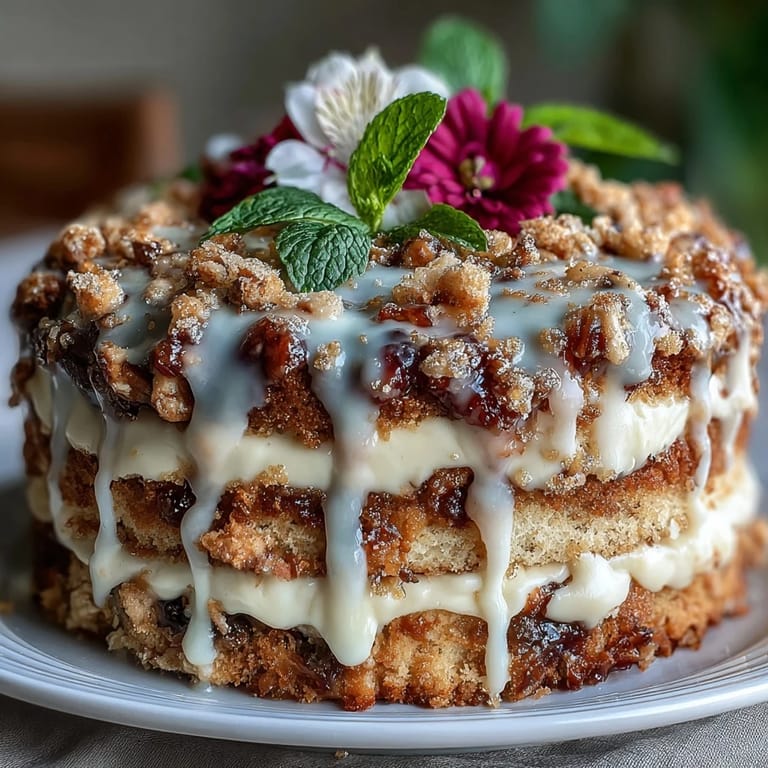
Save Standing in the kitchen late at night before that graduation party, I found myself thinking about how cakes like this bridge the gap between everyday home cooking and those special-occasion moments that deserve to feel elevated. There's something profound about taking time to make something beautiful, not because it's complicated, but because the person receiving it matters enough to make the effort.
The Science Behind the Layers
The reason this cake stays moist and tender isn't just about the ingredients—it's about how they interact. The milk adds moisture that the butter provides richness, and the eggs act as a binder while also adding lift. When you cream butter and sugar, you're essentially incorporating thousands of tiny air pockets that expand during baking, creating that light crumb that feels almost delicate on your tongue. The alternating method of adding flour and milk means the batter never gets overworked, which keeps gluten development minimal and preserves the tender texture you're after.
Why Swiss Meringue Buttercream Changes Everything
American buttercream, which is just butter and powdered sugar, is fine for everyday cakes, but it separates easily and can taste grainy if the sugar doesn't dissolve completely. Swiss meringue buttercream, by contrast, involves heating the egg whites and sugar together first, which dissolves the sugar completely before you whip it. This creates a buttercream that's denser, smoother, and more stable—it holds peaks beautifully, won't separate when exposed to warm room temperatures, and tastes silky rather than buttery or grainy. The slight pause where the mixture looks broken after you add the butter is actually normal and happens because cold butter temporarily breaks the emulsion, but a few more minutes of mixing and it comes together beautifully.
Decorating with Edible Flowers and Gold
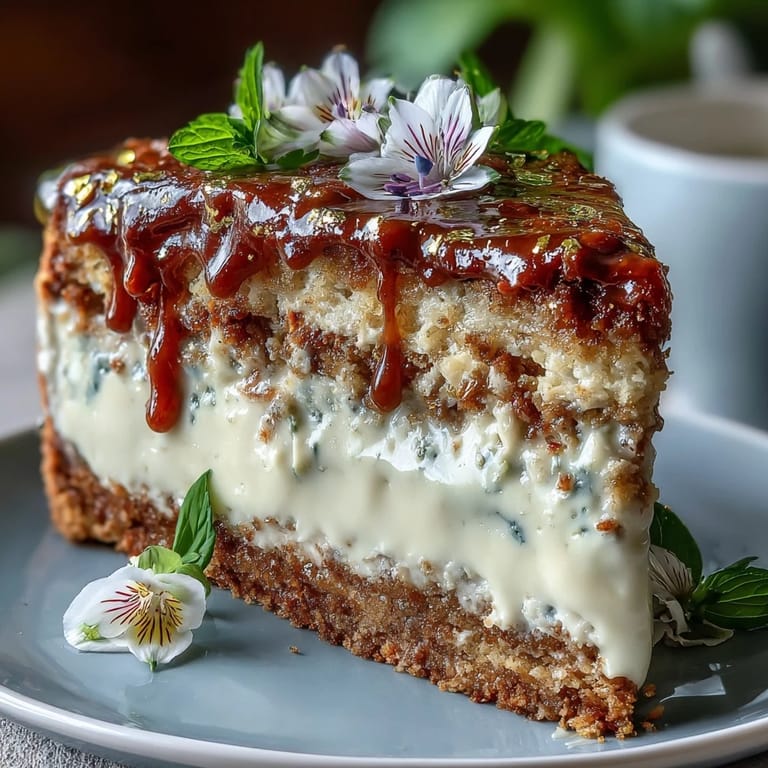
The beauty of this cake lies entirely in its decoration, which sounds intimidating but is actually forgiving once you understand the basics. Edible flowers should be sourced from reputable suppliers who can confirm they're grown without pesticides and are truly safe to eat. Gold leaf feels precious and fragile, but you'll find it responds well to a light touch with a dry food-safe paintbrush. Start by deciding on your color palette—do you want the flowers clustered in one area, or scattered around the whole cake, and how much gold coverage feels right? The cake doesn't judge your choices, and even imperfect application looks intentional and artistic.
- Source your flowers at least two days ahead so you have time to verify they're legitimate edible varieties, not just regular florist flowers that might have been treated with chemicals.
- Keep your gold leaf in its booklet until you're ready to use it because it scatters easily and you'll waste pieces if you're not careful.
- You can actually make this cake a day ahead and decorate it on the day of the event, which takes pressure off your timeline and lets you focus on making everything look perfect.
 Save
Save This cake exists at the intersection of celebration and craftsmanship, proving that you don't need complicated techniques to create something that feels luxurious and memorable. Make it for someone's milestone, and you'll give them far more than just dessert.
Recipe FAQ
- → What is Swiss meringue buttercream?
Swiss meringue buttercream is a smooth, silky frosting made by heating egg whites and sugar before whipping them until stiff peaks form, then adding softened butter for a creamy texture.
- → How do I ensure the vanilla sponge is moist and tender?
Use room temperature ingredients, alternate adding milk and flour gently, and avoid overmixing to keep the sponge light and moist.
- → Are all edible flowers safe to use for decoration?
Only use edible flowers that are pesticide-free and intended for culinary use, such as pansies, violets, and roses, to ensure safety and flavor.
- → How is edible gold leaf applied to the cake?
Use a food-safe paintbrush to gently lay gold leaf sheets on the buttercream surface without disturbing the cake layers.
- → Can I make a chocolate version of this cake?
Yes, substitute half a cup of flour with cocoa powder to add a rich chocolate flavor to the vanilla sponge base.
- → What tools are needed for assembling and decorating this cake?
Essential tools include round cake pans, an electric mixer, mixing bowls, an offset spatula, a food-safe paintbrush, and wire racks for cooling.