 Save
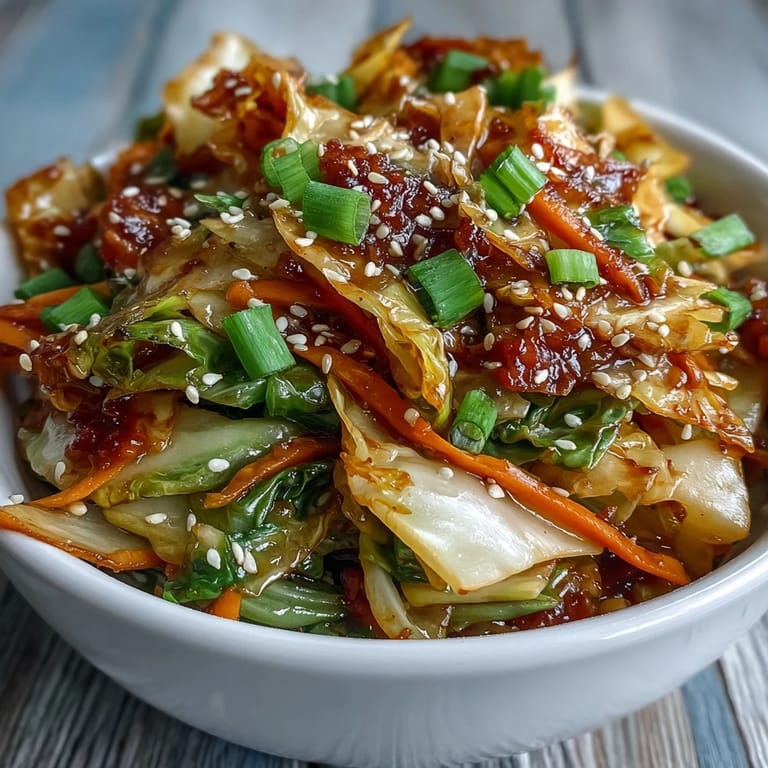
Save My neighbor once knocked on my door with a mysterious takeout container, insisting I taste what she'd ordered from a new spot downtown. One bite of their hot and sour cabbage and I was hooked—that electric mix of crisp vegetables, sharp vinegar, and lingering heat felt like a flavor revelation I couldn't recreate at home. Turns out, it was simpler than I thought, and now this stir-fry has become my go-to when I need something that tastes impressive but won't keep me trapped in the kitchen. The magic is in the balance: enough acid to make your mouth wake up, enough heat to keep things interesting, and enough crunch to remind you that vegetables can be genuinely exciting.
I made this for a potluck where everyone brought predictable casseroles and pasta salads, and watching people go back for thirds was quietly satisfying. One friend asked what restaurant I'd ordered from, and when I admitted I'd made it, she looked genuinely shocked. That moment taught me that bold, balanced flavors don't require hours of work—just intentionality and vegetables at their peak.
Ingredients
- Green cabbage: The star here, and its neutral sweetness becomes almost candied when it hits the heat—slice it thin enough that it actually wilts into the sauce rather than staying stubbornly crunchy.
- Carrot: Adds gentle sweetness and color contrast; julienne it so it cooks at the same pace as the cabbage instead of turning mushy.
- Garlic and ginger: These two blooming in hot oil for just 30 seconds release aromatics that signal to your kitchen (and your nose) that something delicious is happening.
- Scallions: Some go in during cooking for mild allium flavor, and others hit the top raw so you get that fresh, sharp bite at the end.
- Soy sauce: The umami backbone; use tamari if you're steering clear of gluten, and yes, the quality matters here because there's nowhere for mediocre salt-forward sauce to hide.
- Rice vinegar: This is gentler than white vinegar and gives the sauce brightness without harsh edges—it's the difference between vibrant and aggressive.
- Chili paste or chili garlic sauce: Choose based on your heat tolerance and what you have on hand; trust your instincts about how fiery you want this to go.
- Toasted sesame oil: A small drizzle goes a long way, adding nutty depth that makes people lean in and wonder what secret ingredient you used.
- Vegetable oil: Use something with a high smoke point so it stays neutral and lets the other flavors lead.
Tired of Takeout? 🥡
Get 10 meals you can make faster than delivery arrives. Seriously.
One email. No spam. Unsubscribe anytime.
Instructions
- Bring your sauce to life:
- Whisk soy sauce, rice vinegar, chili paste, sugar, and sesame oil in a small bowl until the sugar dissolves and everything looks cohesive. Set it aside so you're not scrambling once the wok gets hot.
- Heat your pan:
- Get your wok or large skillet screaming hot over medium-high heat—you want it genuinely hot, not tentatively warm. Test the temperature by holding your hand about 4 inches above the surface; if you can only hold it there for a second or two, you're ready.
- Toast your aromatics:
- Add minced garlic and ginger, stirring constantly for about 30 seconds until the smell hits your face and the raw edge softens. This brief moment prevents them from burning while coaxing out their essential oils.
- Welcome the vegetables:
- Dump in sliced cabbage and julienned carrot, stirring constantly for 3 to 4 minutes. You're looking for that in-between moment where the edges start to become translucent but the center still has genuine crunch.
- Marry the sauce with vegetables:
- Pour in your prepared sauce and toss everything together immediately so the liquid coats every piece evenly. Continue stirring for another 2 to 3 minutes while the sauce reduces slightly and coats the vegetables like a glossy embrace.
- Finish with intention:
- Add black pepper, salt, and the reserved sliced scallions, stirring for exactly 1 minute more. Taste and adjust seasoning if needed—this is when you decide if it needs more acid, more heat, or more salt.
- Plate and embellish:
- Transfer to a serving dish and shower it with toasted sesame seeds and extra sliced scallions if you want visual drama and added texture. Serve while the vegetables are still warm and the crunch is undeniable.
 Save
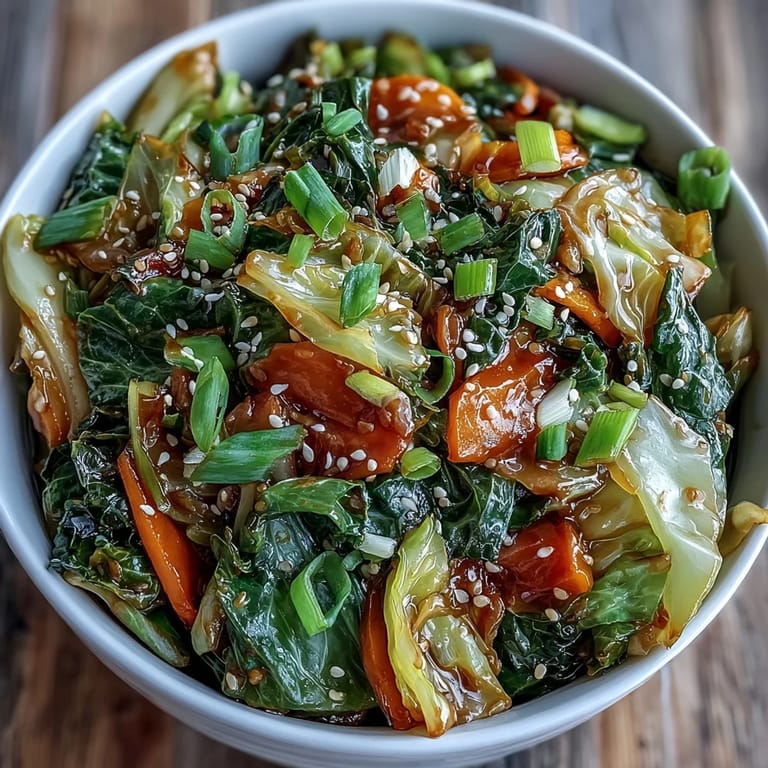
Save Once, I made this for someone who said they didn't like cabbage, and they ate two helpings before realizing what they were eating. That's when I understood that this isn't a side dish that's making an argument for cabbage—it's a side dish that transcends its main ingredient entirely.
The Art of Stir-Fry Heat
The reason this cooks so fast is that high heat and quick movement work together like a dance. Your pan needs to be hot enough that the vegetables sear slightly and release their water vapor, which concentrates their natural sugars and creates that slight caramelization. Too cool, and they just steam in their own moisture. It's the difference between something that tastes like cooked vegetables and something that tastes intentional.
Building Layers of Flavor
This dish works because no single element is screaming louder than the others. The acid from vinegar cuts through richness, the heat from chili paste keeps things lively, the sugar balances both, and the sesame oil ties everything together with a final whisper of sophistication. When you taste it, you're tasting restraint and intention, which feels luxurious in its own quiet way.
Customizing Your Heat Level and Variations
This recipe's structure is forgiving enough that you can bend it to your preferences without breaking the whole thing. Want it hotter? Add more chili paste or a pinch of red pepper flakes. Prefer milder flavors? Swap the green cabbage for Napa cabbage and reduce the chili paste. Need more substance? Toss in sliced mushrooms, bell peppers, or even snap peas in the same window as the cabbage, and it all cooks together beautifully.
- Experiment with different chili pastes—gochugaru, sambal oelek, or even sriracha each bring their own personality to the dish.
- If you make this multiple times, keep notes on your heat and acid adjustments so you eventually dial it in to exactly what your palate craves.
- This keeps in the fridge for a few days and actually improves as the flavors meld, so making extra isn't a waste—it's meal prep with intention.
 Save
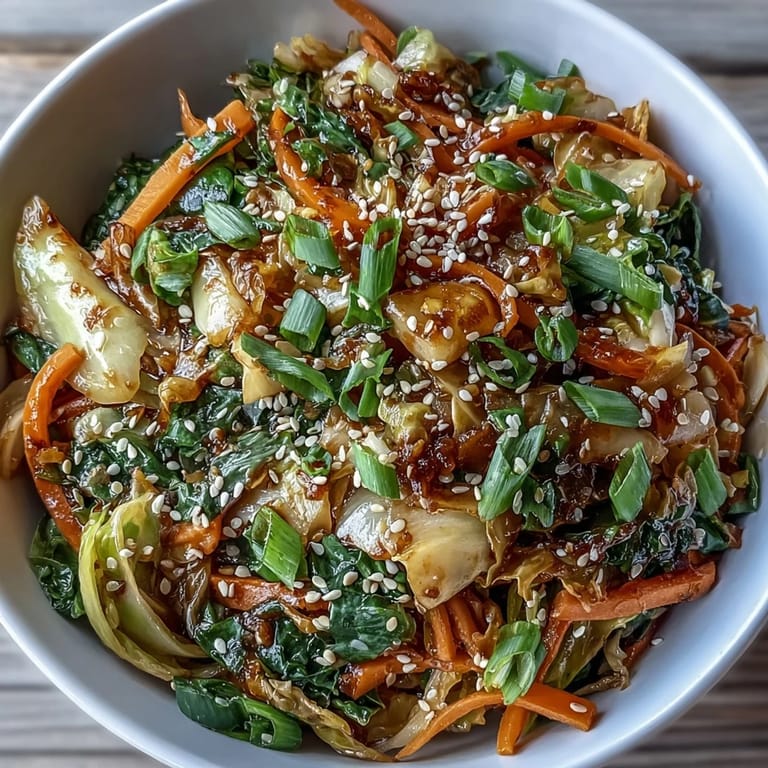
Save This hot and sour cabbage has become my answer to the question, what do you cook when you want something that feels effortless but tastes like you actually tried? It's the kind of side dish that makes people forget they're eating vegetables.
Recipe FAQ
- → Can I make this less spicy?
Yes, reduce the chili paste to 1 teaspoon or omit it entirely. You can also use a milder chili sauce and adjust to your taste preferences.
- → What type of cabbage works best?
Green cabbage provides the best crunch and stands up well to high heat. Napa cabbage works too but will be softer and milder in flavor.
- → How do I keep the cabbage crispy?
Cook over high heat and don't overcrowd the pan. Stir-fry quickly for 3-4 minutes maximum so the cabbage wilts slightly but retains its crunch.
- → Can I prepare this ahead of time?
This dish is best served immediately for optimal texture. However, you can slice vegetables and mix the sauce up to 4 hours ahead and store them separately in the refrigerator.
- → What can I serve this with?
It pairs beautifully with steamed jasmine rice, fried rice, grilled chicken, tofu, or any Asian-inspired main dish. It also works well in grain bowls.
- → Is this dish gluten-free?
Use tamari or certified gluten-free soy sauce instead of regular soy sauce. All other ingredients are naturally gluten-free.