 Save
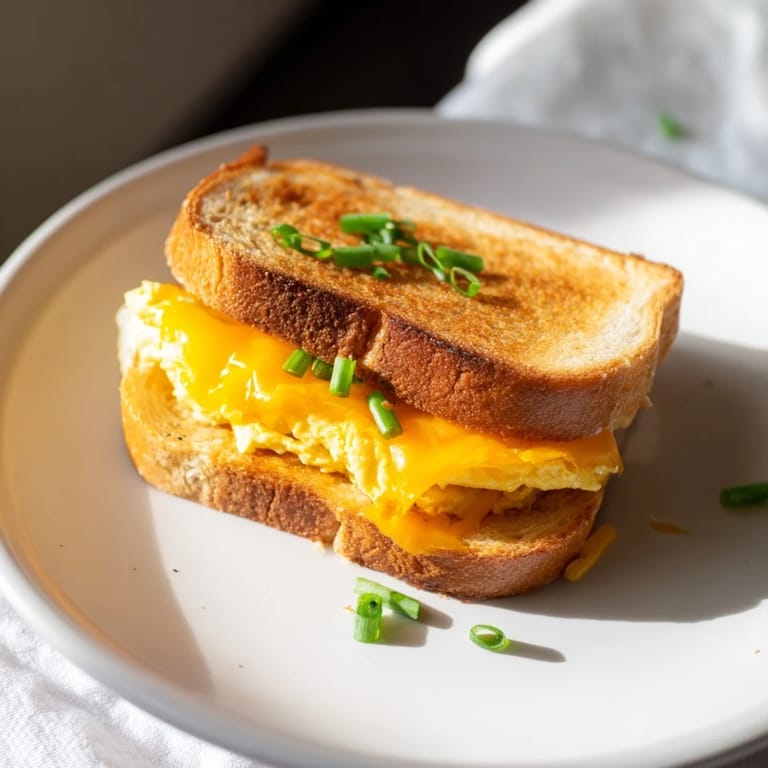
Save I stumbled on this method during a morning when I had exactly one pan clean and no patience for juggling toast and eggs separately. Watching the eggs puff around the bread as it crisped felt like discovering a shortcut I'd been missing for years. The cheese melted right into the folds, and suddenly I had a sandwich that tasted like slow weekend brunch but took less time than waiting for the toaster. It's become my weekday reset, the kind of breakfast that feels generous even when I'm half awake. No extra dishes, no flipping between burners, just one skillet doing all the work.
The first time I made this for my roommate, she watched from the doorway with her coffee, skeptical that pouring eggs over toast would actually work. When I folded it into a sandwich and the cheese oozed out the sides, she grabbed a fork and declared it genius. We started making it on Sunday mornings before errands, doubling the recipe and experimenting with whatever cheese or herbs were lingering in the fridge. It became our ritual, proof that good food doesn't need to be complicated or planned days in advance.
Ingredients
- Large eggs: The foundation of this dish, whisked with milk to stay soft and custardy as they cook around the bread without drying out.
- Milk: Just a splash makes the eggs tender and prevents them from turning rubbery when they hit the hot pan.
- Salt and black pepper: Essential for flavor, add them to the raw egg mixture so every bite is seasoned evenly.
- Sturdy sandwich bread: Sourdough or whole wheat holds up to the moisture and weight of the eggs without falling apart or getting soggy.
- Unsalted butter: Creates a golden, crisp base for the bread and adds richness without overpowering the eggs.
- Cheddar cheese: Melts beautifully into the warm eggs and bread, though any good melting cheese like Gruyere or Monterey Jack works just as well.
- Chopped chives or green onions: Optional but bright, they add a fresh pop of color and a mild onion bite that cuts through the richness.
Tired of Takeout? 🥡
Get 10 meals you can make faster than delivery arrives. Seriously.
One email. No spam. Unsubscribe anytime.
Instructions
- Whisk the eggs:
- In a bowl, beat the eggs with milk, salt, and pepper until the yolks and whites are fully blended and the mixture looks pale yellow. This ensures even cooking and a creamy texture.
- Melt the butter:
- Heat your nonstick skillet over medium and add the butter, swirling it around until it coats the entire surface. You want it sizzling gently, not browning.
- Toast the bread:
- Lay both slices flat in the buttered pan and let them toast for 1 to 2 minutes until the bottoms turn golden and crisp. Flip them over so the toasted side faces up.
- Pour in the eggs:
- Immediately pour the egg mixture over and around the bread, letting it pool in the gaps. Wait about 10 seconds for the eggs to begin setting on the bottom.
- Shape the eggs:
- Use a spatula to gently push the cooking eggs toward the edges of the bread, tilting the pan so uncooked egg flows underneath. This creates soft, folded layers.
- Add the cheese:
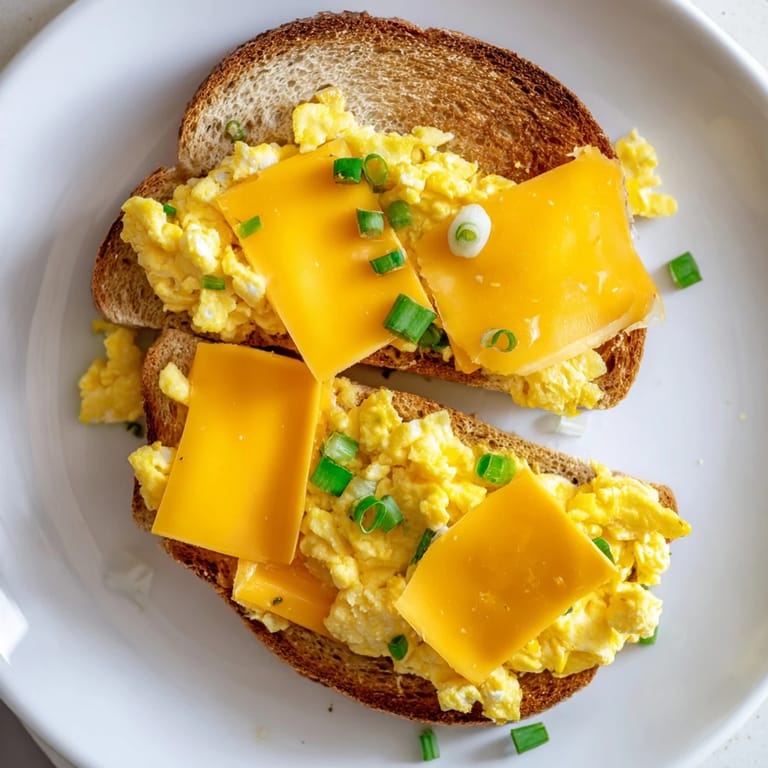
- Once the eggs are mostly set but still slightly glossy on top, place a slice of cheese on each piece of bread. The residual heat will start melting it right away.
- Fold and stack:
- Use your spatula to fold any loose cooked egg onto the bread slices, then carefully lift one slice and press it onto the other to form a sandwich. Handle it gently so the eggs stay intact.
- Finish cooking:
- Let the sandwich sit in the pan for another 1 to 2 minutes, pressing down lightly with the spatula. This melds everything together and ensures the cheese is fully melted and gooey.
- Serve:
- Slide the sandwich onto a plate, cut it in half if you like, and sprinkle with chives or green onions. Eat it while it's hot and the cheese is still stretchy.
 Save
Save I remember making this on a rainy Tuesday when nothing felt right, and the smell of butter and toasted bread filling the kitchen was enough to shift the entire mood of the morning. My partner wandered in, drawn by the sound of eggs sizzling, and we ate standing at the counter, cheese dripping onto our fingers. It wasn't fancy, but it felt like exactly what we needed. Sometimes the simplest things end up meaning the most.
Customizing Your Sandwich
Once you've nailed the basic method, this sandwich becomes a canvas for whatever you have on hand. I've tucked in crumbled cooked bacon, thin slices of ham, sauteed mushrooms, and even leftover roasted red peppers. The key is to add any extras after you flip the bread and before you pour in the eggs, so they warm through without overcooking. If you're using vegetables, make sure they're already cooked and patted dry so they don't release moisture and make the eggs watery. It's one of those recipes that rewards improvisation and lets you clean out the fridge with delicious results.
Choosing the Right Bread
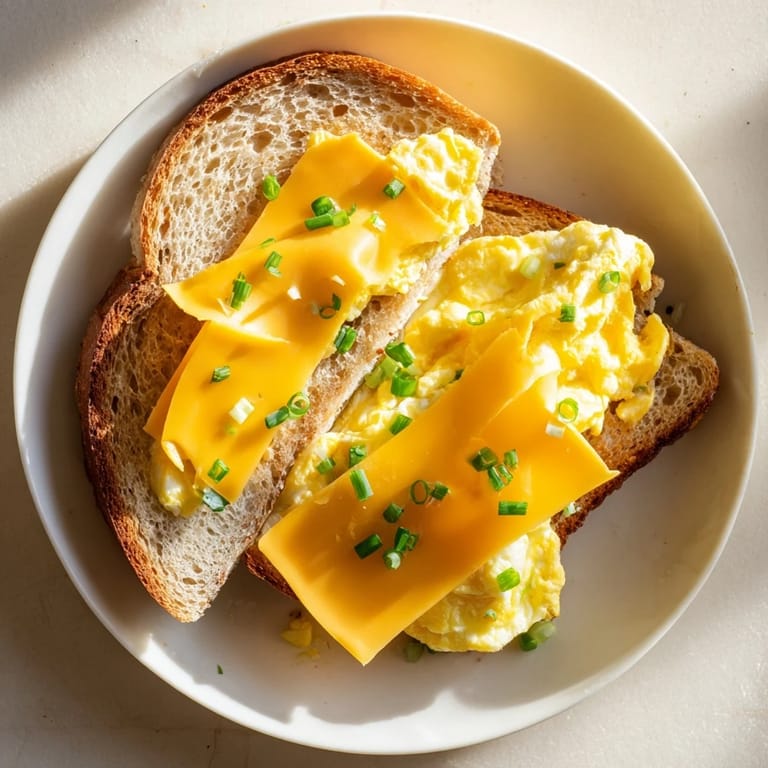
Not all bread is built for this technique. Thin sliced sandwich bread will get soggy and fall apart under the weight of the eggs, while airy ciabatta has too many holes and won't hold the structure. I've had the best luck with sourdough, whole wheat, or any bakery style sandwich bread with a tight crumb and sturdy crust. If you're using something particularly thick, you might need to toast it a bit longer on the first side to get a solid base. Stale bread actually works beautifully here because it soaks up the butter and eggs without turning mushy, so don't toss those day old slices.
Storage and Reheating Tips
This sandwich is best eaten fresh, but if you need to make it ahead, let it cool completely and wrap it tightly in foil or parchment. It will keep in the fridge for up to a day, though the bread won't be as crisp when you reheat it. I warm leftovers in a dry skillet over low heat, pressing gently with a spatula to revive some of that original texture. You can also wrap it in a damp paper towel and microwave for 30 seconds, but the bread will be softer and less toasted.
- Don't freeze this sandwich, the eggs and bread don't recover well from freezing and you'll end up with a soggy, rubbery mess.
- If you're meal prepping, whisk the eggs and store them in the fridge, then cook the sandwich fresh each morning for the best results.
- Leftover sandwiches make a decent cold snack in a pinch, though they're nowhere near as satisfying as when they're hot and melty.
 Save
Save This recipe has saved me on more mornings than I can count, and it never stops feeling like a small victory when it comes together so easily. I hope it becomes your go to when you need something comforting, fast, and completely satisfying.
Recipe FAQ
- → How do I cook the eggs evenly on the bread?
Pour the egg mixture over the bread and let it set briefly, then gently push uncooked egg underneath the bread edges using a spatula to ensure even cooking.
- → Can I use different types of bread?
Yes, sturdy breads like sourdough or whole wheat work best to hold the eggs and cheese without becoming soggy.
- → What cheese works well with this sandwich?
Cheddar is classic, but you can substitute with your preferred melting cheese like mozzarella or Swiss for varied flavors.
- → How can I add extra flavor to the sandwich?
Consider adding cooked bacon, ham, or sautéed vegetables before folding the eggs for additional taste and texture.
- → Is this sandwich suitable for a vegetarian diet?
Yes, it includes eggs, cheese, and vegetables making it vegetarian-friendly without meat ingredients.