 Save
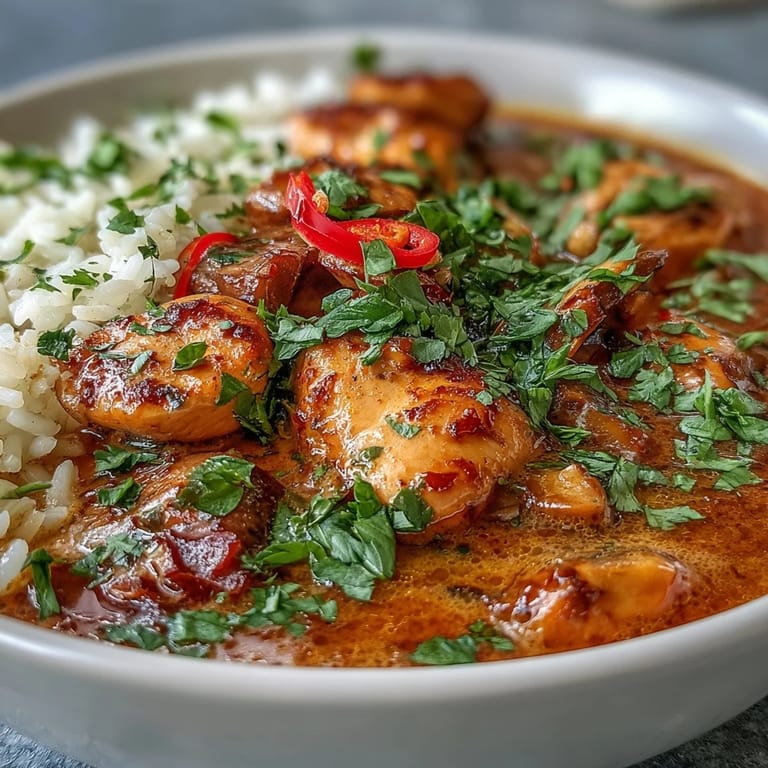
Save My neighbor brought over a steaming bowl of this soup on a rainy Tuesday, and I watched the steam curl up from the coconut broth like it was carrying secrets. That first spoonful changed how I thought about weeknight cooking—suddenly, something restaurant-quality didn't require hours or a mystery ingredient list. Now when I make it, I chase that same feeling of golden warmth in a bowl, the kind that makes you slow down mid-bite to really taste what's happening.
I made this for my sister when she was going through a phase of only wanting Thai takeout, and watching her realize I'd made it at home felt like winning something. She asked for the recipe three times that night, each time sounding slightly more shocked. That bowl sitting between us on her kitchen counter became the reason I stopped hesitating to cook things that seemed ambitious.
Ingredients
- Boneless, skinless chicken thighs (500 g): These stay tender even if you slightly overcook them, unlike breast meat which can turn dry and sad—a lesson learned through trial and kitchen frustration.
- Mushrooms (200 g): Their earthy depth fills the background of the broth with something almost meaty, making every spoonful feel substantial.
- Carrots (2 medium): They release their natural sweetness slowly into the coconut broth, balancing the spice and heat beautifully.
- Onion, garlic, and ginger (1 onion, 2 cloves, 1 tablespoon): This aromatic base is where the magic starts—get them fragrant first, and the rest of the soup builds on that foundation.
- Jasmine rice (120 g): It cooks right in the broth, absorbing all those flavors instead of sitting uselessly on the side.
- Coconut milk (400 ml): Full fat is non-negotiable here; the lighter versions make the soup feel thin and apologetic.
- Chicken stock (1 liter): Use something you'd actually drink, because low-quality stock will whisper its secrets throughout the entire pot.
- Red curry paste (2–3 tablespoons): Start with 2 and taste as you go; some brands are assertive and others are gentle, and your preference matters.
- Lemongrass and kaffir lime leaves: These transform ordinary broth into something that smells like a Thai restaurant, worth hunting down at any market.
- Fish sauce (1 tablespoon): It smells funky in the bottle but becomes the invisible backbone of flavor, deepening everything without announcing itself.
- Brown sugar and lime juice: The sugar rounds out heat, while lime arrives at the end to brighten and clarify.
- Fresh cilantro, chili, and lime wedges: These are your final say in the bowl, letting each person finish their own story.
Tired of Takeout? 🥡
Get 10 meals you can make faster than delivery arrives. Seriously.
One email. No spam. Unsubscribe anytime.
Instructions
- Wake up the aromatics:
- Heat oil over medium heat and let the onion, garlic, and ginger soften for 2–3 minutes until your kitchen smells like something good is happening. You'll know it's right when the raw edge disappears and everything starts to smell sweet.
- Deepen with curry:
- Stir in the red curry paste and let it sizzle for about a minute, which opens up all its layered spices and makes them ready to flavor everything else. Don't rush this—the heat matters.
- Seal in the chicken:
- Add your chicken pieces and stir them around in that curry mixture for a couple minutes so they get coated and start to color slightly on the edges. This step keeps them from tasting plain.
- Build the broth:
- Pour in the chicken stock and bring it to a gentle simmer, then add the carrots, mushrooms, lemongrass, and lime leaves if you're using them. The vegetables will release their flavors slowly into the liquid as everything simmers together.
- Cook the rice right in:
- Add the rinsed jasmine rice and give it a good stir so it's submerged, then let it simmer uncovered for 15–20 minutes until the rice is tender and has absorbed some of the broth. The chicken should be cooked through and the carrots should yield easily to a spoon.
- Finish with richness:
- Stir in the coconut milk, fish sauce, and brown sugar, then let it simmer gently for another 5 minutes so everything can get acquainted. This is when the soup becomes creamy and complete.
- Balance and serve:
- Fish out the lemongrass and lime leaves, then taste and adjust with lime juice, more fish sauce, or salt until it sings—bright, salty, a little spicy, and creamy all at once. Ladle into bowls and let people add their own cilantro, chili, and final squeeze of lime.
 Save
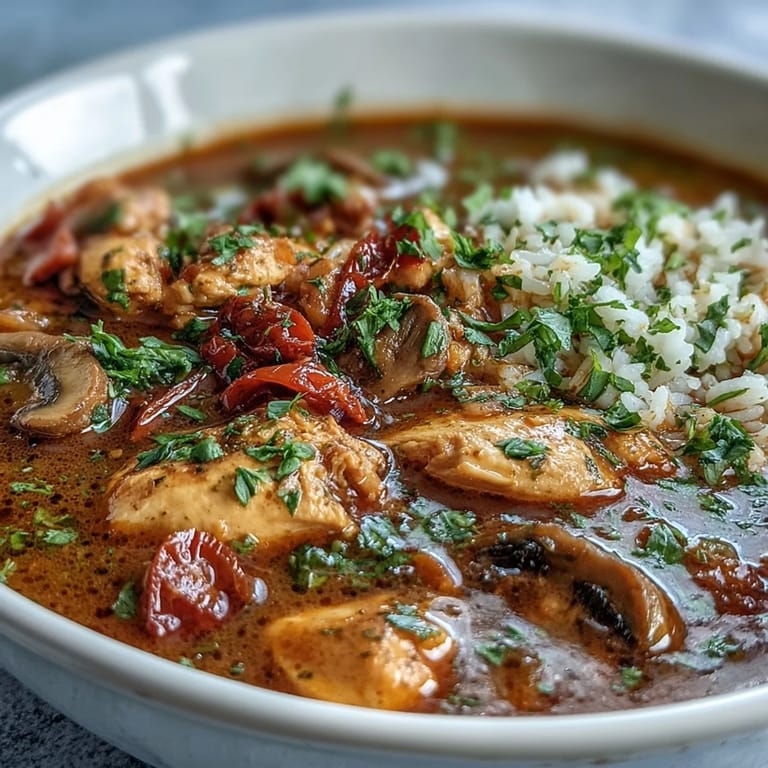
Save There's a moment in this soup, right after you add the coconut milk and the broth turns from golden to pale and creamy, when you realize you've built something that tastes like care. My daughter asked for it three days in a row last month, and I didn't mind making it once, twice, or a third time.
Customizing Your Soup
This recipe is flexible enough to bend toward what you have or what you love, which is one reason it lives in my regular rotation. Shrimp works beautifully if you swap out the chicken and add it in the last few minutes so it doesn't toughen, and tofu can turn this into something vegetarian if you use vegetable stock instead and maybe add a splash more soy sauce. The vegetables are the same way—I've made it with bell peppers, snap peas, baby corn, or whatever looked fresh that week, and it's never disappointed.
The Coconut Milk Question
There's a noticeable difference between full-fat coconut milk and the lighter versions, and it's worth understanding which one you're buying. Full-fat gives you that creamy, round mouthfeel that makes every spoonful feel like a small celebration, while lite versions can make the broth taste thin and watered-down no matter what else you do. If you can only find lite, use a little less broth to compensate, or embrace a brothier, lighter soup—both are valid, just different.
Timing and Temperature
The beauty of this soup is that it doesn't demand precision or fuss; it asks for attention at just the right moments and forgives most small mistakes. Keep everything at a simmer rather than a rolling boil, which keeps the chicken from becoming tough and lets flavors merge gently instead of shouting over each other. The rice will tell you when it's ready by softening and losing that hard center, and that's your signal that everything else is probably done too.
- If you're short on time, you can cook the rice separately and add it to the bowls instead of simmering it in the broth.
- Leftovers taste even better the next day when all the flavors have had time to know each other better.
- This soup freezes well for up to three months, though the rice texture softens a bit—still delicious, just different.
 Save
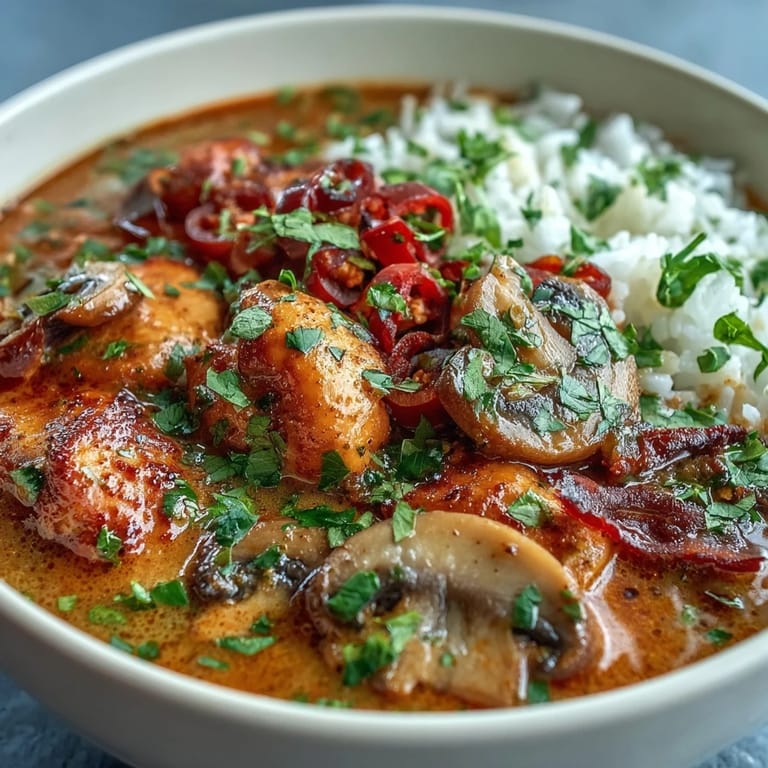
Save This soup has become my answer to almost any dinner question, and it's never let me down. Make it, taste it, adjust it to be exactly what you want, and then make it again when someone you care about needs something warm.
Recipe FAQ
- → How spicy is this curry soup?
The spice level depends on your red curry paste quantity. Starting with 2 tablespoons yields mild to medium heat that's family-friendly. Adjust up to 3 tablespoons or add sliced chili garnish for extra warmth.
- → Can I make this soup vegetarian?
Absolutely. Replace chicken with firm tofu cubes and substitute fish sauce with soy sauce or tamari. Use vegetable stock instead of chicken broth for a fully plant-based version.
- → What type of rice works best?
Jasmine rice is ideal for its aromatic floral notes that complement Thai flavors. Basmati or long-grain white rice work well too. Avoid brown rice as it requires longer cooking time.
- → How long does this soup keep?
Store in an airtight container for up to 4 days. The rice will absorb liquid, so add extra coconut milk or broth when reheating. Freezing isn't recommended as rice texture changes.
- → Can I use light coconut milk?
Yes, though the soup will be less creamy. Full-fat coconut milk provides the luxurious texture typical of Thai curries. If using light, consider adding a splash of cream at the end.
- → What vegetables can I add?
Baby corn, bell peppers, snap peas, or bok choy make excellent additions. Add harder vegetables like carrots earlier, delicate greens like spinach in the last 2 minutes.