 Save
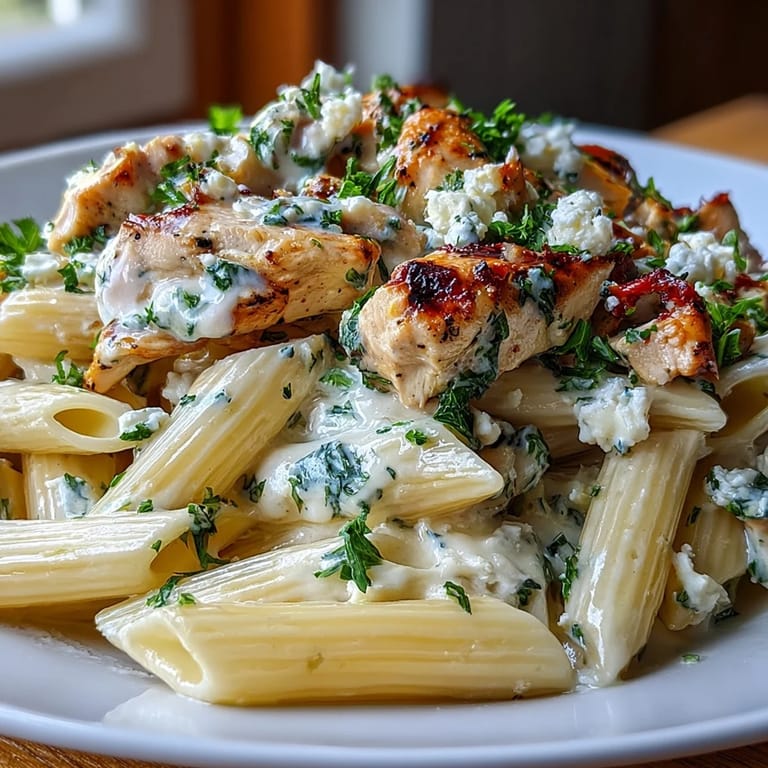
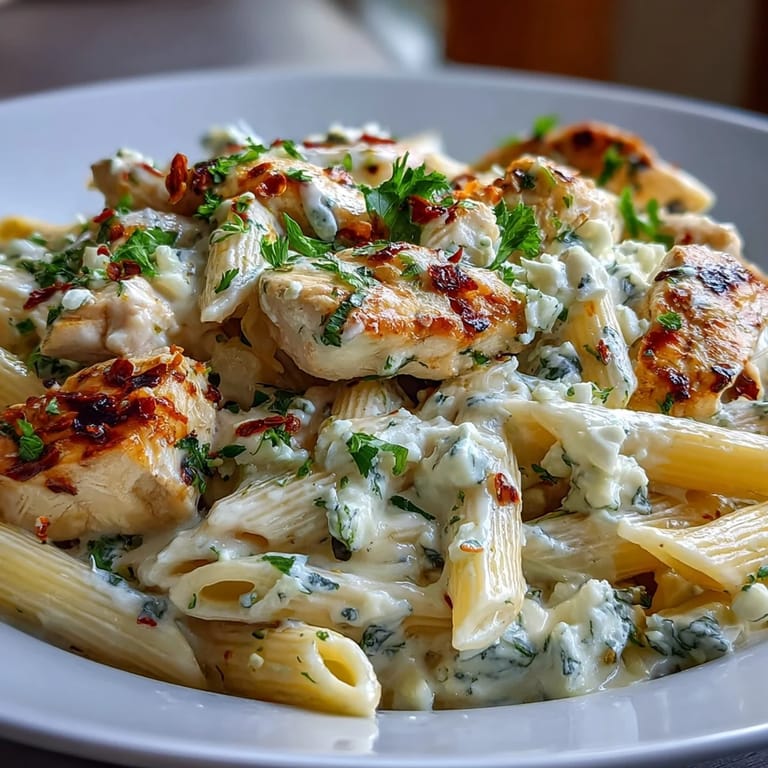
Save Last summer, my neighbor stopped by with a bag of fresh lemons from her tree, and I had absolutely no idea what to do with them beyond lemonade. That evening, I threw together chicken, pasta, and cream, squeezed those bright yellow fruits into the pan, and suddenly the kitchen smelled like a Greek island I'd never visited. My family circled the stove like it was the only warm thing in the world, and I realized right then that this dish—simple, bright, impossibly creamy—had become the one I reach for whenever I want to feel like I've actually traveled somewhere without leaving home.
The first time I made this for my book club, I was nervous because one person had just returned from Athens and I didn't want to seem presumptuous. But when she tasted it, she closed her eyes and said it reminded her of a small taverna tucked away in Plaka, and honestly, that moment made me understand the real power of cooking—it's not about perfection, it's about opening a door to somewhere else.
Ingredients
- Penne or rigatoni pasta, 340 g (12 oz): The tube shapes hold the sauce beautifully, and I've learned that slightly thicker pasta varieties grip the cream better than delicate strands.
- Boneless, skinless chicken breasts, 2 large (about 450 g / 1 lb), cut into bite-sized pieces: Cutting them into smaller pieces means they cook evenly and integrate into the dish rather than sitting as separate protein on the plate.
- Dried oregano, 1 tsp: This is your Greek passport right here—don't skip it, and don't substitute with Italian seasoning because the flavor profile shifts entirely.
- Salt and freshly ground black pepper, 1/2 tsp each: Season generously because pasta absorbs seasoning, and you want every bite to taste intentional.
- Olive oil, 2 tbsp: Use something you actually enjoy tasting, not the cheapest bottle on the shelf.
- Garlic, 3 cloves, minced: Fresh garlic is non-negotiable here—jarred simply won't give you that initial fragrant bloom that makes you know something good is happening.
- Lemon, 1 large (zest and juice): The zest adds brightness that juice alone cannot achieve, so don't skip that step even though it feels fussy.
- Heavy cream, 180 ml (3/4 cup): This is what transforms everything into silk, but the real magic happens when you balance it with the acidic lemon.
- Chicken broth, 60 ml (1/4 cup): It lightens the cream slightly and prevents the sauce from feeling heavy or one-dimensional.
- Feta cheese, 100 g (3.5 oz), crumbled: Buy it in blocks and crumble it yourself—pre-crumbled versions are often too dry and won't melt as smoothly into the sauce.
- Parmesan cheese, 50 g (1/2 cup), grated: Freshly grated makes an enormous difference in how it melts and whether you end up with a silky sauce or grainy one.
- Fresh parsley, 2 tbsp, chopped: Add it at the end so it stays bright and doesn't turn dark and bitter from the heat.
Tired of Takeout? 🥡
Get 10 meals you can make faster than delivery arrives. Seriously.
One email. No spam. Unsubscribe anytime.
Instructions
- Get the pasta going:
- Fill a large pot with salted water—it should taste like the sea—and bring it to a rolling boil before adding your pasta. Set a timer and stick to the package instructions because al dente is everything here, and overcooked pasta will turn mushy once it hits the cream sauce.
- Season and sear the chicken:
- While the water heats, toss your chicken pieces with oregano, salt, and pepper, then let them sit for a minute so the seasoning actually sticks. Heat olive oil in a large skillet over medium-high heat until it shimmers, then add the chicken and let it sit undisturbed for a couple minutes so it gets golden—resist the urge to move it around constantly.
- Build the sauce foundation:
- Once the chicken is cooked through and golden (about 6 to 8 minutes total), transfer it to a plate and add minced garlic to the same pan for just 30 seconds—you want fragrant, not burnt. Add your lemon zest and juice right after, then pour in the cream and broth.
- Melt in the cheese:
- Lower the heat to medium-low and let the sauce come to a gentle simmer, then whisk in the crumbled feta and grated Parmesan one handful at a time until everything is melted and creamy. This whisking motion is important because it prevents clumping and helps you achieve that silky texture.
- Bring it all together:
- Return the chicken to the skillet, then add your drained pasta and toss everything to coat in the sauce. If it feels too thick, add a splash of your reserved pasta water—the starch in that water actually helps the sauce cling to the noodles better than plain water would.
- Finish and taste:
- Stir in the fresh parsley, then taste and adjust salt and pepper as needed because those two cheeses have already brought saltiness to the party. Serve immediately while everything is hot and the herbs are still bright.
 Save
Save My teenage daughter came home from soccer practice and walked straight to the stove without even dropping her bag, inhaled deeply, and asked what smelled like Greece. When I explained I'd basically invented it, she raised an eyebrow and said it tasted like I'd been lying about my cooking abilities the whole time. That's when I understood that food doesn't have to be complicated to matter—it just has to remind people that they're being cared for.
The Lemon Factor
There's something about lemon that transforms cream from feeling heavy into something that tastes like sunshine. The juice adds brightness, yes, but the zest—those little flecks of aromatic oil—they're what make people pause and ask what that flavor is. I've started zesting my lemons directly over the pan because the warmth releases the oils even more, and the aroma alone is half the reason I make this dish.
Variations and Flexibility
One Tuesday I had spinach wilting in my crisper and threw a handful into the sauce just before adding the pasta, and suddenly the dish had more depth and color without losing any of its brightness. Another time I used Greek yogurt for half the cream because I was out of the heavy stuff, and while it was slightly tangier, it was honestly just as satisfying and felt less guilt-inducing. The beauty of this dish is that it's more about the balance of lemon, cream, and cheese than rigid adherence to exact measurements.
- Cherry tomatoes halved and stirred in at the end add pops of tartness and visual appeal.
- Spinach or arugula work beautifully if you want to sneak in more vegetables without changing the flavor profile.
- A pinch of red pepper flakes at the end adds complexity if you like a subtle heat underneath all that richness.
Pairing and Serving
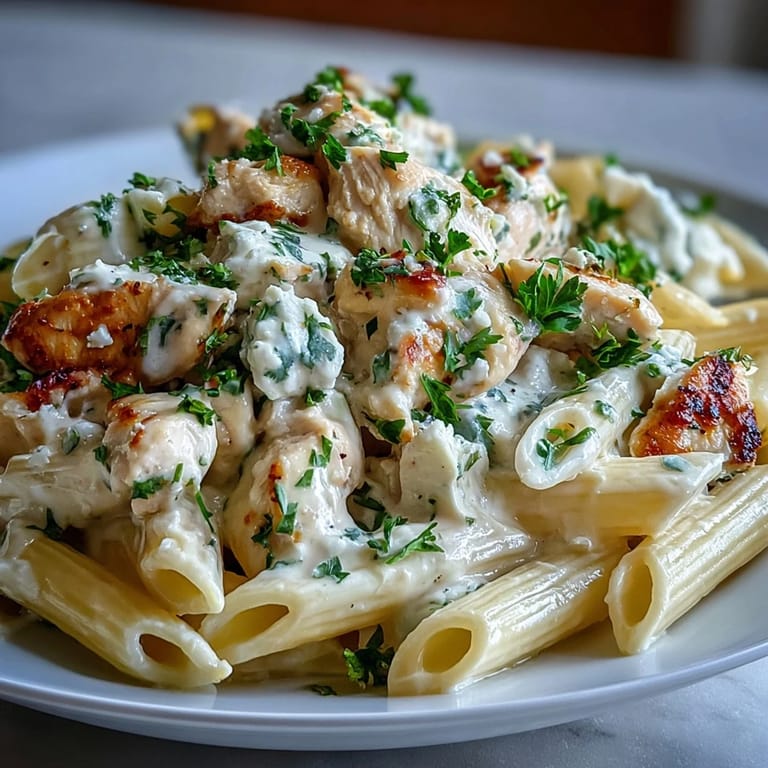
I've learned that this dish is best served immediately while the sauce is still silky and the pasta is hot enough to release steam. A crisp white wine—something like Sauvignon Blanc or Assyrtiko if you want to lean into the Greek theme—cuts through the richness perfectly and makes the whole meal feel intentional rather than just throwing dinner on a plate. A simple green salad alongside it feels right, something tart and peppery to balance all that cream.
 Save
Save This dish has become my go-to when I want to prove that simple ingredients, when treated with respect and intention, can taste like love. Make it for people you care about and watch how quiet they get when the flavors hit.
Recipe FAQ
- → Can I make this pasta ahead of time?
The sauce can be prepared up to 24 hours in advance and stored in the refrigerator. Reheat gently over low heat, adding a splash of cream or pasta water to restore consistency. Cook the pasta fresh just before serving.
- → What pasta shapes work best?
Penne and rigatoni are excellent choices as their ridges and tubes capture the creamy sauce beautifully. Fusilli, farfalle, or macaroni would also work well. Avoid long strands like spaghetti—the sauce needs pasta with texture to hold onto.
- → How can I lighten this dish?
Substitute half the heavy cream with Greek yogurt for a lighter sauce that still remains creamy. You can also increase the vegetables by adding baby spinach or cherry tomatoes during the last few minutes of cooking.
- → Can I use dried herbs instead of fresh?
While fresh parsley adds bright color and flavor, you can use 1 teaspoon of dried parsley if needed. However, fresh parsley is recommended as it provides a fresh finish that complements the lemon and feta beautifully.
- → What wine pairs well with this dish?
A crisp Sauvignon Blanc or Greek Assyrtiko cuts through the richness of the cream and complements the tangy feta and bright lemon flavors. Pinot Grigio or dry Rosé would also pair nicely.
- → Can I freeze leftovers?
Cream-based pasta dishes don't freeze well as the sauce can separate when thawed. For best results, enjoy within 2-3 days when stored in an airtight container in the refrigerator.